Essential Preparation Steps for Your Appointment in Lincoln
Reviewing Your Medical History
Private Pregnancy Blood Test in Lincoln: Prior to your pregnancy blood test, it is beneficial to thoroughly assess your medical history and consult with your GP about any medications you are currently taking. This proactive measure ensures the precision of results from the local NHS services available. By preparing early, you can enhance your overall experience and outcomes.
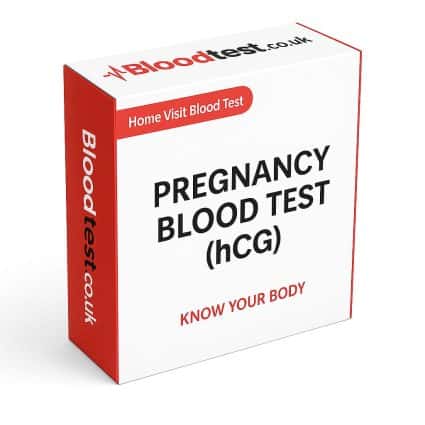

Thorough preparation offers several advantages, including:
- Early identification of potential health issues.
- Ensuring all required information is readily available for your healthcare providers.
- Reducing the likelihood of delays in receiving your results.
- Improving communication with your healthcare team.
By adhering to these guidelines, you can foster a more seamless testing experience and enhance the quality of care you receive.
Which Important Questions Should You Pose to Your Midwife?
Expectant mothers in Lincoln frequently find it useful to clarify details regarding fasting requirements and the timing of their scheduled pregnancy blood test with local NHS providers. Asking pertinent questions can help ease concerns and ensure you are adequately prepared for the test.
Consider asking about:
- The necessity of fasting prior to the test.
- The optimal time of day for the test.
- The method of communicating results to you.
- Specific symptoms you should discuss before testing.
These inquiries will equip you with the knowledge and confidence needed as your appointment approaches.
Compiling Required Documentation
Patients should prepare identification and previous test records before attending clinics for a pregnancy blood test in Lincoln. Having these documents on hand ensures that healthcare staff can efficiently process everything during your appointment.
Crucial documents to bring include:
- Your NHS number, if available.
- A form of identification, such as a passport or driving licence.
- Any prior test results relevant to your pregnancy.
- Details about current medications or health conditions.
Being well-prepared can significantly alleviate stress on the day of your test.
Planning Your Journey to the Clinic
Expectant mothers in Lincoln should evaluate local transport options and parking availability when travelling to NHS facilities for their pregnancy blood test. Organising your journey will help minimise stress and ensure you arrive on time for your appointment.
Consider the following factors:
- Public transport routes and schedules.
- Parking facilities at the clinic.
- Accessibility options for those with mobility challenges.
- Alternative transport arrangements, such as taxis or ride-sharing services.
Considering these aspects can lead to a more efficient experience on the day of your test.
Mental Preparation for Your Test
Preparing mentally for a pregnancy blood test in Lincoln involves employing relaxation techniques and, if feasible, bringing along a supportive companion to your NHS appointments. This strategy can diminish anxiety and enhance your overall experience with healthcare providers in the area.
Consider these helpful techniques:
- Practice deep breathing exercises before your appointment.
- Visualise a positive outcome to calm your nerves.
- Share your feelings with a partner or friend.
- Bring a comforting item, such as a small memento or photograph.
These strategies can foster a sense of calm and support during the testing process.
How Is the Pregnancy Blood Test Conducted in Lincoln?
Understanding the Blood Sample Collection Process
The procedure at NHS facilities in Lincoln involves a straightforward venous draw performed by trained phlebotomists. They strive to minimise discomfort while collecting hCG and other essential markers, ensuring the process is as smooth as possible for expectant mothers.
During the blood draw:
- You will be seated comfortably.
- A tourniquet may be applied to enhance the visibility of your veins.
- A sterile needle will be used to draw blood from your arm.
- The entire procedure typically lasts only a few minutes.
Knowing what to expect can alleviate any concerns about the blood test.
Laboratory Analysis Procedures
Once collected, samples from Lincoln clinics are sent to regional laboratories where technicians analyse hormone levels and screen for potential conditions. This process guarantees that results comply with UK medical standards, delivering accurate and reliable information to your healthcare team.
The analysis process includes:
- Testing for hCG levels to confirm pregnancy.
- Screening for potential complications or health concerns.
- Utilising advanced equipment and techniques for precision.
- Following strict protocols to maintain sample integrity.
This meticulous approach contributes to the high quality of care provided by the NHS.
Timeline for Receiving Results
Most patients in Lincoln receive their pregnancy blood test results within two to five working days. Results are generally communicated through secure NHS portals or directly by your midwife, ensuring you remain informed about your health status.
To facilitate timely communication:
- Check your NHS online account for updates.
- Be prepared to discuss results during follow-up appointments.
- Ask your midwife how you will receive your results.
- Consider setting reminders for follow-up calls or appointments.
Staying proactive will help you manage expectations and plan accordingly.
Expert Insights on the Pregnancy Blood Test in Lincoln
Evaluating Accuracy Rates by Specialists
Experts confirm that pregnancy blood tests in Lincoln conducted through NHS pathways maintain high reliability when performed at the recommended gestational stage. This ensures precise early confirmation, crucial for effective prenatal care.
Accuracy rates improve due to:
- Conducting tests at the appropriate time, typically around the missed period.
- Utilising standardised procedures across NHS facilities.
- Employing skilled professionals for sample collection.
- Implementing quality control measures in laboratories.
These elements foster trust in the results provided by the NHS.
Recommended Steps for Patients to Take
Experts advise scheduling your pregnancy blood test in Lincoln for the morning, as this can lead to a more efficient experience. Staying well-hydrated before the test is equally important, as it facilitates smoother sample collection at local clinics.
To optimise your experience:
- Drink plenty of water the night before and the morning of your test.
- Avoid heavy meals prior to your appointment.
- Plan to arrive early to account for any unexpected delays.
- Bring a book or music to help pass the time if needed.
These strategies can significantly enhance your testing experience.
Case Studies from Lincoln Practices
Clinicians share instances where timely pregnancy blood tests in Lincoln have enabled early identification of complications, allowing for prompt intervention through Lincoln County Hospital services. These cases highlight the importance of early testing in safeguarding maternal and fetal health.
For example:
- A patient diagnosed with gestational diabetes effectively managed her condition.
- Another case involved early detection of an ectopic pregnancy, leading to swift medical intervention.
- Patients have reported improved outcomes due to timely monitoring of hormone levels.
- Early identification of anaemia resulted in tailored nutritional support for expectant mothers.
These real-world examples illustrate the critical role blood tests play in prenatal care.
What Advantages Does Early Detection Provide?
Effective Monitoring of Hormone Levels
Early testing enables Lincoln residents to accurately track hCG progression, facilitating improved prenatal planning with NHS teams throughout the county. Monitoring hormone levels is crucial for evaluating the health of the pregnancy and making informed decisions.
Key benefits of monitoring include:
- Differentiating between normal and abnormal hormone levels.
- Adjusting care plans based on individual needs.
- Enabling timely interventions when necessary.
- Providing reassurance to expectant mothers.
This proactive approach can lead to healthier pregnancy outcomes.
Early Detection of Health Concerns
A pregnancy blood test in Lincoln can identify issues such as anaemia or infections sooner, allowing mothers to receive tailored care from UK health services without delay. Early detection of these conditions is vital for ensuring the wellbeing of both mother and baby.
Potential issues that can be identified include:
- Low iron levels leading to anaemia.
- Infections that may pose risks during pregnancy.
- Hormonal imbalances affecting pregnancy progress.
- Underlying health conditions requiring management.
Being aware of these issues empowers mothers to make informed decisions regarding their care.
Supporting Informed Decision-Making
Results empower families in Lincoln to prepare emotionally and practically for the months ahead with guidance from local midwives. Understanding the implications of test results enables families to make choices that best suit their circumstances.
Informed decision-making includes:
- Discussing results with healthcare providers.
- Accessing educational resources on pregnancy and childbirth.
- Exploring support options available through the NHS.
- Engaging with community resources for expectant families.
This support network can significantly enhance the pregnancy experience.
Enhancing Emotional Wellbeing During Pregnancy
Early identification of pregnancies allows Lincoln residents to access counselling services and support groups through NHS initiatives. This access can alleviate anxiety levels and foster stronger family bonds from the outset of prenatal care journeys.
Emotional wellbeing can be bolstered by:
- Connecting with local support groups for expectant parents.
- Participating in workshops on pregnancy and parenting.
- Accessing NHS counselling services for mental health support.
- Engaging with community events focused on family wellness.
These resources play a crucial role in navigating the emotional landscape of pregnancy.
Facilitating Efficient Resource Management
Early tests empower Lincoln residents to optimise the utilisation of local medical facilities by facilitating advance scheduling of appointments and resources. This ensures the effective delivery of care by UK health providers throughout pregnancy.
Advantages of effective resource management include:
- Reducing wait times for appointments and services.
- Ensuring timely access to necessary medical interventions.
- Allowing for better planning of healthcare resources.
- Enhancing overall patient satisfaction with NHS services.
Successful resource management is vital for a rewarding pregnancy journey.
Research-Supported Benefits of Pregnancy Blood Tests in Lincoln
Insights from Clinical Research
Recent UK research demonstrates how a pregnancy blood test in Lincoln enhances outcome predictions when integrated with routine antenatal checks at NHS sites. This integration is essential for providing comprehensive care to expectant mothers.
Key findings from studies include:
- Improved identification of high-risk pregnancies.
- Enhanced monitoring of maternal health indicators.
- Greater accuracy in predicting potential complications.
- Better alignment of care plans with patient needs.
These insights reinforce the necessity of regular testing throughout pregnancy.
Actionable Steps for Post-Test Follow-Up
Professionals recommend combining your pregnancy blood test in Lincoln with dietary guidance from local dietitians to enhance maternal health. Proper nutrition plays a pivotal role in supporting a healthy pregnancy and can improve outcomes.
Consider these steps:
- Schedule a consultation with a dietitian for personalised advice.
- Incorporate nutrient-rich foods into your daily diet.
- Monitor weight gain and nutritional intake throughout pregnancy.
- Stay informed about dietary supplements that may be beneficial.
These actions can contribute to a healthier pregnancy experience.
Real-World Examples from Local Practices
Case studies from Lincolnshire clinics illustrate how pregnancy blood tests assist in the swift management of thyroid conditions during early pregnancy. These examples demonstrate the practical benefits of timely testing for expectant mothers.
Notable instances include:
- A woman diagnosed with hypothyroidism received prompt treatment, resulting in a healthy pregnancy.
- Another patient’s hyperthyroidism was effectively managed through early detection.
- Clinicians observed improved maternal and fetal outcomes due to proactive monitoring.
- Patients reported feeling empowered by their healthcare team’s quick responsiveness.
These cases underscore the vital role of blood tests in managing health conditions during pregnancy.
Where Can You Access Pregnancy Blood Tests in Lincoln?
Available Options at Local NHS Clinics
Numerous GP surgeries and community health centres across Lincoln offer convenient slots for a pregnancy blood test financed by the National Health Service. This accessibility ensures that expectant mothers can receive timely care without unnecessary obstacles.
Local options include:
- Central Lincoln GP surgeries with dedicated maternity services.
- Community health centres providing extended hours for testing.
- Walk-in clinics for urgent pregnancy-related concerns.
- Collaborations with local pharmacies for additional support.
These facilities enhance access to essential healthcare services.
Services Offered at Hospitals
Lincoln County Hospital features dedicated maternity laboratories where patients can undergo comprehensive pregnancy blood tests with on-site specialist support. This environment is designed to deliver high-quality care tailored to the needs of expectant mothers.
Services available at the hospital include:
- State-of-the-art laboratory facilities for precise testing.
- Access to experienced midwives and healthcare professionals.
- Support for additional diagnostic tests if required.
- Comprehensive maternity care resources for patients.
This holistic approach ensures that all aspects of maternal health are thoroughly addressed.
Home Visiting Services for Tests
In certain circumstances, qualified NHS staff may visit homes in Lincoln to conduct pregnancy blood tests, ensuring accessibility for those with mobility challenges. This service is particularly advantageous for patients who may find it difficult to travel to clinics.
Home visiting services encompass:
- Assessment of eligibility based on medical needs.
- Scheduling visits at times convenient for patients.
- Ensuring all necessary equipment is available for testing.
- Providing follow-up support and resources after the visit.
This initiative enhances the inclusivity of healthcare services for all expectant mothers.
Aftercare and Follow-Up Procedures
Reviewing Results with Your Healthcare Providers
After completing a pregnancy blood test in Lincoln, it is essential to schedule a review with your midwife to interpret findings and plan subsequent antenatal visits. This discussion is crucial for understanding your health status and making informed decisions moving forward.
During the review, consider:
- Discussing any concerns or questions regarding your results.
- Understanding the implications of your test outcomes.
- Planning for any additional tests or appointments.
- Exploring available resources and support services.
This proactive engagement with your healthcare team is key to ensuring a healthy pregnancy.
Recommendations for Additional Screenings
Based on the outcomes, Lincoln NHS teams may suggest further tests to monitor your pregnancy effectively as it progresses. These additional screenings can help identify emerging issues early, enabling timely interventions.
Common follow-up screenings may include:
- Blood tests to monitor iron levels and other crucial markers.
- Ultrasounds to evaluate fetal development and health.
- Screening for gestational diabetes or other conditions.
- Regular check-ups to monitor overall maternal health.
These recommendations ensure thorough monitoring throughout your pregnancy.
Maintaining Ongoing Support Networks
Engage with local parenting groups in Lincoln for emotional support following your initial pregnancy blood test results. Building a support network can be invaluable during this transformative period and can help alleviate feelings of isolation.
Ways to engage with support networks include:
- Joining local parenting or pregnancy classes.
- Participating in online forums or social media groups.
- Attending community events focused on family wellness.
- Accessing NHS resources for mental health support.
These connections can provide reassurance and encouragement as you navigate your pregnancy journey.
Scheduling Follow-Up Appointments
It is essential to arrange regular check-ups with your Lincoln midwife following the pregnancy blood test. These appointments facilitate ongoing monitoring of health developments and ensure any concerns are addressed promptly within the local NHS antenatal framework.
Considerations for follow-up include:
- Establish a schedule for regular check-ups throughout your pregnancy.
- Discuss any changes in your health or wellbeing with your midwife.
- Stay informed about upcoming tests or screenings.
- Utilise available NHS resources for additional support.
Regular engagement with your healthcare team is vital for a healthy pregnancy experience.
Frequently Asked Questions
What is a pregnancy blood test?
A pregnancy blood test measures the levels of the hormone hCG in your blood, confirming whether you are pregnant and providing insights into the health of your pregnancy.
How soon can I take a pregnancy blood test?
Pregnancy blood tests can generally be performed as early as one week after a missed period, providing reliable results sooner than urine tests.
Is fasting necessary before a pregnancy blood test?
Fasting is typically not required before a pregnancy blood test, but it is advisable to confirm with your healthcare provider for specific instructions.
How long does it take to receive results?
Most patients receive their results within two to five working days, either via NHS portals or through direct communication from their midwife.
Are there any risks associated with the blood test?
The blood test is very safe, with minimal risks such as slight discomfort or bruising at the needle site. Serious complications are extremely rare.
What should I do if my results are abnormal?
If your results are abnormal, your healthcare provider will discuss the next steps and any additional tests or treatments that may be necessary.
Can I request a pregnancy blood test without a referral?
In most cases, a referral from your GP or midwife is required to access a pregnancy blood test through NHS services.
What if I miss my appointment?
If you miss your appointment, contact the clinic as soon as possible to reschedule and ensure you receive timely care.
How can I adequately prepare for my appointment?
Prepare by reviewing your medical history, gathering necessary documents, and discussing any questions or concerns with your midwife prior to the appointment.
Where can I find support after my test?
Local parenting groups, NHS resources, and community support services in Lincoln can provide emotional guidance and assistance following your pregnancy blood test results.
Discover the latest updates on our Facebook profile!
This article was first published on https://bloodtest.co.uk
The Article Pregnancy Blood Test Options Available in Lincoln found first on https://electroquench.com