Your Comprehensive Guide to Effectively Utilising Vinyl Gloves in the UK
What Makes Vinyl Gloves the Perfect Choice for Kitchens Across the UK?
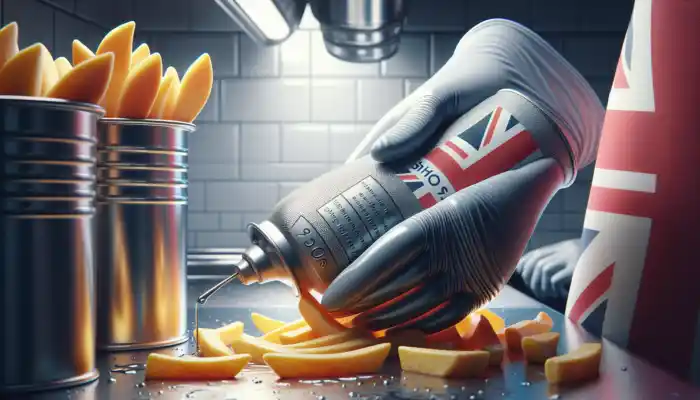
Vinyl gloves are constructed from polyvinyl chloride (PVC), a synthetic plastic polymer renowned for its remarkable combination of durability and flexibility. This unique blend renders them extremely popular in UK kitchens, where strict adherence to rigorous hygiene standards established by the Food Standards Agency is vital. Their exceptional oil resistance is particularly advantageous, especially when preparing cherished British dishes like fish and chips, which necessitate handling greasy components.
Furthermore, vinyl gloves are user-friendly and easily disposable, making them the preferred choice for both professional chefs and home cooking enthusiasts. For instance, numerous London restaurants have adopted the use of vinyl gloves due to their cost-effectiveness, allowing staff to frequently change them without incurring significant expenses. Additionally, the non-sterile nature of vinyl gloves aligns perfectly with the fast-paced requirements of bustling kitchens, where rapid transitions between various food items are essential to maintain food safety standards.
In pub kitchens, where speed and efficiency are paramount, vinyl gloves aid in preventing cross-contamination while enabling chefs to manage multiple ingredients seamlessly. In locations such as Hull’s fish markets, workers rely on vinyl gloves to uphold hand cleanliness while dealing with a variety of seafood, thereby illustrating the practical applications of these gloves across diverse culinary environments in the UK.
Discover the Key Advantages of Using Vinyl Gloves in Food Handling
The utilisation of vinyl gloves in food handling environments throughout the UK provides a multitude of significant benefits. Firstly, they act as a cost-effective barrier against contaminants, which is crucial in high-traffic locations such as school canteens and pub kitchens. The flexibility offered by vinyl gloves facilitates smooth movements and dexterity, allowing staff to perform their duties efficiently while prioritising safety. These attributes also resonate well with local waste management practices, as the straightforward disposal of gloves after each use diminishes contamination risks in food preparation areas.
Moreover, vinyl gloves are completely latex-free, making them an excellent option for food businesses that may employ individuals with latex sensitivities. This consideration is particularly significant in areas like Birmingham, where bakeries often encounter employees who have allergies to conventional latex gloves. By opting for vinyl gloves, these establishments guarantee that every team member can engage in food preparation safely, eliminating the risk of allergic reactions and fostering an inclusive work environment.
Another crucial advantage is the compatibility of vinyl gloves with a vast array of food types. Their resistance to oils and fats makes them particularly suitable for various food handling tasks, ranging from preparing greasy dishes to working with moisture-rich produce, ensuring hygiene without compromising the quality of food.
Explore the Versatile Applications of Vinyl Gloves in Cleaning Tasks
Throughout the UK, vinyl gloves have become indispensable for cleaning tasks, especially for disinfecting surfaces in both residential and commercial environments. Their sturdy design protects users from harsh chemicals found in cleaning products approved by British health authorities. For example, restaurant personnel regularly wear vinyl gloves to safeguard their hands from potent sanitising agents while ensuring that surfaces remain hygienic and free from harmful bacteria.
The versatility of vinyl gloves extends into personal home cleaning routines as well. Homeowners across the UK are increasingly aware of the necessity to prevent cross-contamination during routine cleaning tasks, particularly in kitchens and bathrooms. By wearing vinyl gloves, individuals can protect themselves while cleaning, especially when handling raw foods and sanitising surfaces that may contain pathogens. This practice aligns with the recommendations of health professionals, highlighting the importance of hygiene in preventing foodborne illnesses.
Moreover, the disposability of vinyl gloves after a single use considerably reduces the chances of transferring germs between cleaning tasks. This feature is especially beneficial in high-traffic areas such as schools or hospitals, where maintaining cleanliness is vital for safeguarding public health.
Evaluate the Environmental Impact of Vinyl Gloves in the UK

The environmental considerations surrounding vinyl gloves are becoming increasingly critical in the UK, particularly concerning their contribution to plastic waste. As the nation progresses towards more sustainable practices, organisations like WRAP champion recycling initiatives and eco-friendly alternatives. The widespread utilisation of vinyl gloves in both food preparation and cleaning raises essential questions regarding their long-term sustainability, especially in light of efforts to reduce single-use plastics.
Across commercial kitchens and domestic spaces, there is a growing awareness of the need to transition from traditional vinyl gloves to biodegradable alternatives. Many establishments are currently exploring compostable gloves or other environmentally friendly materials that provide similar protective benefits while mitigating plastic pollution. This shift not only aligns with national sustainability objectives but also enhances the reputations of businesses that commit to eco-friendly practices.
Furthermore, adopting appropriate disposal methods is vital for minimising the environmental footprint of vinyl gloves. In the UK, adhering to local recycling guidelines can ensure that used gloves do not end up in landfills, where they contribute to pollution. Educating both staff and consumers about responsible disposal practices is essential for fostering a culture of sustainability within the food preparation and cleaning sectors.
Understanding Compliance and Health Regulations for Vinyl Gloves
In the UK, vinyl gloves must adhere to stringent regulations established by the Health and Safety Executive and European Union standards. These regulations ensure that vinyl gloves provide adequate protection across various workplaces, particularly in industries with substantial chemical exposure, such as manufacturing and food services. For example, compliance with safety protocols in British manufacturing plants highlights the necessity of using gloves that meet these standards to prevent chemical-related hazards.
The guidelines set forth by the Food Standards Agency further emphasise the importance of businesses utilising compliant gloves during food handling. This compliance is crucial for protecting public health, as it directly impacts the safety of the food products provided to consumers. Regular inspections and audits conducted by health officials verify that establishments maintain these standards, with vinyl gloves often being a significant focus during evaluations.
Practically speaking, these regulations necessitate that restaurants and food establishments utilise high-quality vinyl gloves that are durable and capable of performing various tasks without compromising safety. This is particularly critical in catering services, where gloves are frequently changed to mitigate cross-contamination risks during food preparation.
How Does the Use of Vinyl Gloves Differ in Food Preparation?
Why Are Vinyl Gloves the Preferred Option in High-Volume Food Environments?

Vinyl gloves are particularly favoured in high-volume food preparation settings across the UK due to their affordability and convenience. In dynamic environments such as London markets and fast-paced restaurants, where rapid service is critical, the ability to change gloves swiftly without incurring significant costs is paramount. This feature enables staff to uphold high hygiene standards without disrupting workflow, ensuring that food is prepared both safely and efficiently.
The flexibility of vinyl gloves is also essential in high-volume settings. They facilitate movement, which is crucial when preparing large quantities of food or managing multiple tasks simultaneously. Staff can seamlessly transition between ingredient handling, cooking, and serving while adhering to health regulations. This practice not only enhances efficiency but also diminishes the risk of cross-contamination, a significant concern in food safety.
Additionally, vinyl gloves are readily available and come in various sizes, making them suitable for a diverse range of staff members. This availability ensures that every worker can find the proper fit, which is vital for comfort during long shifts. The ability to frequently replace gloves also considerably lowers the risk of contamination, particularly when dealing with different food groups, such as raw meats and vegetables.
What Factors Influence the Selection of Vinyl Gloves?
Several factors influence the choice of vinyl gloves in food preparation environments throughout the UK. A primary consideration is their latex-free composition, making them suitable for employees with sensitivities or allergies. This aspect is particularly significant in Birmingham bakeries, where staff may be prone to latex allergies, leading to the widespread adoption of vinyl gloves to ensure that everyone can safely handle food.
Cost-effectiveness is another critical factor driving the selection of vinyl gloves in UK food establishments. With operational costs constantly under scrutiny, businesses often opt for vinyl gloves as a more economical alternative compared to nitrile or latex options. This affordability does not compromise safety, as vinyl gloves still provide adequate protection against common contaminants encountered during food preparation.
The intended use of the gloves also plays a significant role in the selection process. In environments where workers handle various food types, including moist or oily items, the oil resistance of vinyl gloves makes them a practical choice. Additionally, the convenience of disposal after a single use enhances their appeal, especially in settings that prioritise quick turnaround times and high hygiene standards.
Finally, regulatory compliance is a vital consideration in selecting vinyl gloves for food handling. Adhering to guidelines established by health authorities fosters consumer trust and underscores the importance of safety and hygiene in food preparation.
Essential Maintenance and Storage Guidelines for Vinyl Gloves
To ensure the longevity and effectiveness of vinyl gloves, proper maintenance and storage are imperative, particularly in UK households. Keeping vinyl gloves in a cool, dry environment can significantly extend their usability, as exposure to heat and moisture can deteriorate the material over time. British cleaning experts recommend storing gloves in a designated drawer or container to shield them from environmental factors that could compromise their quality.
Before using vinyl gloves, it is crucial to ensure that your hands are clean and dry. This step not only enhances comfort but also reduces the likelihood of tearing. For households that frequently rely on gloves for cleaning or food preparation, maintaining an adequate supply is essential. Regularly checking glove inventory can help prevent last-minute shortages during busy periods.
After use, it’s vital to dispose of vinyl gloves properly. Following local recycling or waste disposal regulations is crucial for minimising environmental impact and ensuring safety. In shared cleaning environments, such as schools or workplaces, implementing a clear protocol for glove disposal can help maintain hygiene standards and prevent contamination.
Finally, encouraging all family members to understand and adhere to these maintenance tips will cultivate a culture of hygiene and cleanliness. By promoting awareness around proper vinyl glove usage, families can effectively safeguard themselves during food preparation and cleaning tasks while enhancing overall household safety.
Usage Patterns of Vinyl Gloves Across Different Food Sectors in the UK
The application of vinyl gloves varies significantly across UK food sectors, reflecting the unique needs and practices of each industry. For example, in Scotland’s fish markets, workers favour vinyl gloves due to their resistance to oils and liquids. Handling seafood frequently entails navigating wet and slippery conditions, making vinyl gloves an ideal choice for maintaining grip while ensuring hygiene.
Conversely, in English patisseries, vinyl gloves are employed to protect against dry ingredients. When managing flour and sugar, the gloves help prevent the transfer of moisture and oils from hands to the ingredients, ensuring that the quality of baked goods remains uncompromised. These varied applications underline how regional culinary practices influence glove selection, showcasing the versatility of vinyl gloves across different food-handling requirements.
Additionally, in the catering industry, where food is often prepared in advance for large events, vinyl gloves are preferred for their ease of use. Workers can swiftly change gloves between different tasks, such as assembling salads or plating dishes, without risking cross-contamination. This practice is especially crucial in buffets or events catering to numerous guests, where maintaining high hygiene standards is essential.
In summary, the choice of vinyl gloves across various UK food sectors is shaped by the specific requirements of each industry. From handling wet seafood to preparing delicate pastries, vinyl gloves offer a versatile and effective solution for ensuring safety and hygiene in the culinary landscape.
Comparing Vinyl Gloves to Other Glove Types for Food Handling
When it comes to food handling, many UK restaurants often select vinyl gloves over nitrile due to their cost-effectiveness for routine tasks. The Food Standards Agency endorses vinyl gloves for standard food preparation as they strike a favourable balance between affordability and functionality. Although nitrile gloves offer superior protection against punctures and chemical exposure, their higher price point makes them less practical for jobs that require frequent glove changes, such as those in busy kitchens.
Vinyl gloves are particularly advantageous for tasks involving low-risk food items, where the likelihood of chemical exposure is minimal. This explains their routine use in establishments like fast-food chains and cafés, where rapid service is crucial, and staff must change gloves regularly. In contrast, nitrile gloves are often chosen for more sensitive tasks, such as handling raw meats or cleaning with harsh chemicals, to enhance protection and minimise contamination risks.
However, it’s essential to note that while vinyl gloves are cost-effective, they may not provide the same level of durability as nitrile gloves. In high-stress environments, such as healthcare facilities or laboratories, the preference often leans towards nitrile gloves to diminish the risk of exposure to pathogens or hazardous materials.
Ultimately, the decision between vinyl gloves and other types depends on the specific tasks at hand, budget constraints, and the nature of the food being handled. In everyday food-handling situations, vinyl gloves continue to be a staple choice for their practicality and convenience, helping maintain hygiene standards without incurring excessive costs.
Expert Perspectives on the Utilisation of Vinyl Gloves in Food Preparation and Cleaning

How Do Vinyl Gloves Compare to Other Types of Gloves?
In the UK, vinyl gloves tend to be less breathable than nitrile options, which can lead to discomfort during extended use. This discomfort can be particularly pronounced during lengthy cleaning sessions in establishments such as restaurants in Manchester, where staff might wear gloves for several hours. However, vinyl gloves remain widely used due to their availability and affordability, making them a preferred choice for routine tasks.
While nitrile gloves offer enhanced protection against punctures and chemical exposure, their higher cost can be a barrier for many food businesses. In contrast, vinyl gloves deliver sufficient protection for low-risk tasks, enabling establishments to uphold hygiene without overspending. This balance is particularly important in environments that rely on quick service, such as cafés and fast-food outlets, making vinyl gloves a practical choice for many.
Moreover, the latex-free nature of vinyl gloves caters to a broader workforce, addressing allergy concerns in food preparation settings. This inclusivity is crucial for fostering a safe working environment, ensuring that all employees can participate in food handling without fear of allergic reactions.
Ultimately, while nitrile gloves may be chosen for high-risk tasks, vinyl gloves excel in everyday scenarios where cost, availability, and ease of use are paramount. The decision between these glove types ultimately hinges on the specific requirements of the food establishment, balancing safety, comfort, and financial considerations.
What Durability Challenges Are Associated with Vinyl Gloves?
Despite their widespread use in UK food preparation, vinyl gloves can tear under stress, posing significant risks in various environments. For instance, in Scottish cafés, where staff frequently handle diverse food types, the risk of tearing can lead to cross-contamination if gloves are not routinely inspected. This concern is amplified by the tasks involved in food preparation, which may require the use of sharp objects or heavy lifting, both of which can compromise the integrity of vinyl gloves.
Experts advocate that gloves be regularly checked to maintain hygiene protocols, especially during busy service periods when wear and tear are likely. Establishments should implement practices that encourage staff to replace gloves frequently, effectively mitigating potential risks.
Another critical factor affecting durability is the quality of the vinyl gloves themselves. Not all vinyl gloves are created equal, and lower-quality products may be more susceptible to tearing. Businesses should invest in high-quality gloves that comply with safety standards, ensuring staff receive reliable protection during food-handling tasks.
In summary, while vinyl gloves serve a practical purpose in food preparation, concerns regarding their durability necessitate careful consideration. By cultivating a culture of vigilance and quality control, establishments can minimise the risks associated with using vinyl gloves and promote a safe, hygienic working environment.
Why Should Users Consider Alternatives to Vinyl Gloves?
In the United Kingdom, users sometimes opt for alternatives to vinyl gloves due to the material's tendency to degrade quickly in wet conditions. Reports from British health services indicate that while vinyl gloves are effective for numerous applications, they may not withstand prolonged exposure to moisture, thereby compromising the barrier against contaminants. This is particularly relevant in settings where workers regularly handle wet foods or engage in cleaning tasks with liquid cleaning agents.
While vinyl gloves remain popular for basic tasks, the following limitations may encourage users to explore alternatives:
- Less resistant to punctures compared to nitrile gloves.
- Lower durability in high-stress environments.
- Can tear easily when wet or under pressure.
- Not suitable for tasks involving harsh chemicals.
- Less breathable, leading to discomfort during extended use.
- Limited protection against allergens for sensitive individuals.
- Potentially less effective in preventing cross-contamination.
In light of these limitations, many food businesses are increasingly turning to nitrile or latex gloves for tasks that require greater protection. Despite the higher costs associated with these alternatives, the enhanced safety and durability can justify the expense, particularly in environments where hygiene is of utmost importance.
Ultimately, the choice to utilise vinyl gloves or explore alternatives hinges on the specific needs of the task, the type of food being handled, and the overall risk assessment of the environment.
Research-Driven Advantages of Vinyl Gloves in Food Preparation and Cleaning
What Limitations Are Associated with Vinyl Gloves in Cleaning Tasks?
While vinyl gloves offer numerous benefits in food preparation and cleaning, they also have certain inherent limitations. The foremost concern is their durability; vinyl gloves are susceptible to tearing and puncturing, especially during vigorous cleaning tasks. This vulnerability can lead to contamination if gloves fail while handling cleaning agents or food, jeopardising hygiene efforts in both domestic and commercial settings.
Another drawback pertains to the breathability of vinyl gloves. Unlike nitrile options, which facilitate superior airflow, vinyl gloves can induce discomfort during prolonged wear. This consideration is particularly relevant in cleaning scenarios that necessitate extended use, such as deep cleaning in restaurants or commercial kitchens, where employees may experience discomfort and reduced dexterity.
Additionally, vinyl gloves are less effective against certain chemicals compared to nitrile or latex alternatives. When cleaning surfaces with strong disinfectants or chemicals, users may find that vinyl gloves degrade more rapidly, diminishing protection. This limitation could lead to skin irritation or exposure to harmful substances, particularly in commercial environments where cleanliness is crucial.
Finally, the environmental impact of single-use vinyl gloves raises sustainability concerns. As public awareness of plastic pollution grows, there is increased scrutiny regarding the use of disposable products, and vinyl gloves are no exception. The accumulation of plastic waste from single-use gloves poses challenges for businesses striving to adopt more sustainable practices.
In conclusion, while vinyl gloves are a common choice for food preparation and cleaning due to their affordability and accessibility, potential drawbacks such as durability issues, discomfort, chemical resistance, and environmental impact warrant careful consideration when selecting gloves for specific tasks or environments.
Best Practices for Effective Use of Vinyl Gloves in the UK
How to Dispose of Vinyl Gloves Responsibly?
Proper disposal of vinyl gloves is essential for minimising environmental impact and maintaining hygiene standards throughout the UK. Adhering to local recycling guidelines is crucial, as many regions have specific regulations concerning the disposal of single-use plastics. Both businesses and households should familiarise themselves with these guidelines to ensure that used gloves do not contribute to landfill waste and environmental pollution.
In commercial settings, establishing a clear procedure for glove disposal is vital. Businesses can position designated bins for used gloves in readily accessible locations, encouraging staff to dispose of them immediately after each use. This practice not only upholds cleanliness but also fosters a culture of safety and accountability among employees.
For households, storing used gloves in a dedicated container until they can be disposed of correctly is a practical approach. This method prevents cross-contamination in the home environment and ensures that gloves are discarded in compliance with local regulations. Consumers should also consider seeking out recycling programmes that accept vinyl gloves, contributing to efforts to mitigate plastic waste.
Furthermore, public health campaigns often emphasise the importance of responsible disposal practices, urging individuals and businesses alike to take an active role in sustainability. By raising awareness about the impact of single-use plastics and encouraging proper disposal methods, the UK can make substantial progress towards a more environmentally conscious approach to vinyl glove usage in food preparation and cleaning.
Training Requirements for Effective Vinyl Glove Utilisation
In UK workplaces, employees must undergo hygiene training on the use of vinyl gloves, as stipulated by British standards. This training ensures that staff comprehends the significance of using gloves to prevent contamination during food handling and cleaning tasks. Effective training programmes should encompass correct techniques for putting on and removing gloves, as well as the necessity of regularly changing gloves to minimise contamination risks. Practical demonstrations should be included to reinforce appropriate glove usage, highlighting the potential consequences of neglecting hygiene protocols. Employees should be encouraged to ask questions and engage in discussions about best practices, fostering a culture of safety and compliance within the workplace.
Moreover, ongoing training and refresher courses can help maintain high hygiene standards in a dynamic work environment. As new products and techniques emerge, it is vital to keep staff informed about the latest developments in glove technology and hygiene practices. This proactive approach ensures that all employees possess the knowledge and skills necessary to uphold food safety protocols. Regular assessments and audits can further enhance training effectiveness, enabling businesses to identify areas for improvement and ensure adherence to hygiene regulations. By prioritising comprehensive training on vinyl glove usage, UK businesses can significantly reduce the risk of foodborne illnesses and maintain a safe environment for both employees and consumers.
Integrating Vinyl Gloves into Daily Cleaning Routines
In the UK, vinyl gloves are frequently incorporated into home cleaning routines by storing them near sinks or cleaning supplies, thereby enhancing efficiency and safety during daily tasks such as dishwashing. By keeping gloves easily accessible, individuals can promptly don them before commencing cleaning chores, ensuring their hands remain safeguarded from harsh chemicals and contaminants.
Experts recommend establishing a dedicated cleaning station in households, stocked with gloves, cleaning products, and tools. This organised approach simplifies the cleaning process, allowing for smoother transitions between tasks. For instance, when preparing to clean kitchen surfaces, having gloves readily available promotes a culture of hygiene and encourages responsible behaviour among family members.
Another practical suggestion is to encourage all household members to wear vinyl gloves during cleaning activities. By raising awareness about the importance of glove use in preventing the spread of germs, families can cultivate a safer environment. This collective approach reinforces the significance of hygiene and safety in daily routines, making it a shared responsibility.
Long-term benefits of incorporating vinyl gloves into cleaning routines include a reduced risk of skin irritation, improved hygiene standards, and enhanced overall cleanliness. By prioritising glove use during everyday tasks, households not only protect their health but also contribute to a culture of cleanliness and safety, which is particularly relevant in the current climate of heightened health awareness.
How to Choose the Right Vinyl Gloves for Your Needs?
In the UK, selecting the appropriate vinyl gloves involves evaluating factors such as size, material quality, and intended use. Both businesses and consumers must consider these elements to optimise fit and durability, as recommended by British Standards, to minimise the risk of slippage or tearing.
Choosing the correct size is essential to ensure comfort and functionality. Gloves that are too tight can restrict movement, while those that are excessively loose may slip off during use. Many manufacturers provide sizing charts, assisting users in identifying the ideal fit for their hands.
Material quality also significantly influences the performance of vinyl gloves. Higher-quality gloves tend to be less prone to tearing, providing a dependable barrier against contaminants. When purchasing gloves, it is crucial to select products that comply with safety standards, ensuring adequate protection during food preparation and cleaning tasks.
Lastly, the intended use of the gloves should guide the selection process. For example, gloves designed for food handling may differ from those intended for cleaning with strong chemicals. Understanding the specific requirements of each task aids users in choosing the most suitable gloves, ultimately enhancing safety and efficiency in food preparation and cleaning environments.
Frequently Asked Questions About Vinyl Gloves
Are Vinyl Gloves Safe for Food Preparation?
Yes, vinyl gloves are deemed safe for food preparation and are widely utilised in the UK due to their affordability and compliance with food safety regulations.
Can Vinyl Gloves Protect Against Allergens?
Vinyl gloves are latex-free, making them suitable for workers with latex allergies, thereby minimising the risk of allergic reactions during food handling.
How Often Should Vinyl Gloves Be Changed During Food Preparation?
Vinyl gloves should be changed regularly, especially when transitioning between different food items, to reduce the risk of cross-contamination.
What Environmental Issues Are Linked to Vinyl Gloves?
Vinyl gloves contribute to plastic waste, raising sustainability concerns. Proper disposal and recycling are essential to mitigate their environmental impact.
Can Vinyl Gloves Be Reused?
Vinyl gloves are designed for single use and should not be reused, as doing so can compromise hygiene and increase the risk of contamination.
How Should Vinyl Gloves Be Stored?
Vinyl gloves should be stored in a cool, dry location, away from direct sunlight, to maintain their integrity and usability over time.
Are There Alternatives to Vinyl Gloves?
Yes, alternatives to vinyl gloves include nitrile and latex gloves, which may offer better durability and protection, particularly in high-risk environments.
What Training Is Necessary for Vinyl Glove Usage?
Employees should receive training on proper glove use, hygiene protocols, and disposal practices to ensure compliance with health and safety standards.
How Can I Determine If I Need Gloves for Cleaning?
Using gloves for cleaning is advisable when handling strong chemicals or when there is a risk of contamination, as they protect your hands and maintain hygiene.
What Sizes Are Available for Vinyl Gloves?
Vinyl gloves are available in various sizes, typically ranging from small to extra-large, ensuring a proper fit for all users.
Connect with us on Facebook today!
The Article: Vinyl Gloves in Food Prep and Cleaning: Why Common was first published on https://www.gloveclub.co.uk
The Article Vinyl Gloves for Food Prep and Cleaning: Common Benefits Was Found On https://limitsofstrategy.com