Your Comprehensive Guide to Cholesterol Blood Testing
Why Is a Cholesterol Blood Test Essential for Heart Health?
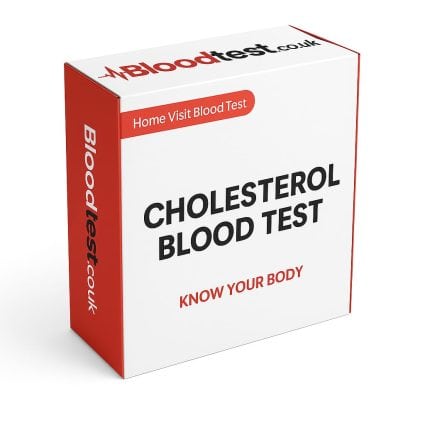
A <a href="https://limitsofstrategy.com/cholesterol-blood-test-guide-quick-tips-for-lincoln-residents/">cholesterol blood test in Lincoln</a> serves as a pivotal diagnostic tool that is vital for assessing your heart health. This test evaluates the concentrations of various types of cholesterol and triglycerides present in your bloodstream. It particularly focuses on three fundamental elements: Low-Density Lipoprotein (LDL), commonly known as the “bad” cholesterol; High-Density Lipoprotein (HDL), often referred to as the “good” cholesterol; and triglycerides, a form of fat found in the blood. Collectively, these indicators deliver an insightful overview of your cardiovascular health, facilitating proactive management choices.

Grasping the significance of these cholesterol components is crucial for your comprehensive well-being. Elevated levels of LDL cholesterol can lead to plaque accumulation within your arteries, significantly heightening your risk for critical conditions such as heart disease and stroke. Conversely, elevated HDL cholesterol levels are typically associated with a decreased risk of heart-related issues.
Furthermore, triglyceride levels are significant indicators, as abnormal readings can signal other health issues, including obesity and diabetes. A standard cholesterol blood test equips you with numerical values for each component, enabling you and your healthcare provider to make informed evaluations of your overall risk for heart disease.
Residents in Lincoln benefit from easy access to cholesterol blood testing at various healthcare facilities. This convenience empowers individuals to monitor their heart health proactively. The cholesterol blood test not only functions as a diagnostic instrument but also lays the groundwork for informed lifestyle changes and essential medical interventions when necessary.
Explore the Benefits of Local Cholesterol Testing Services in Lincoln
Choosing a cholesterol blood test in Lincoln provides access to healthcare services that are specifically designed to meet the needs of the local community. The city boasts numerous clinics and hospitals, including the reputable Lincoln County Hospital, well-known for its prompt and efficient testing services. Local healthcare professionals have a deep understanding of the distinct health challenges prevalent among the area's residents, ensuring they deliver personalised care that fosters trust and comfort.
Another considerable advantage of local testing in Lincoln is the swift turnaround time for results. Thanks to modern laboratories and streamlined operational processes, many individuals can expect to receive their results within just one to two days. This rapid feedback mechanism is invaluable for those concerned about their heart health, allowing timely interventions when necessary. If your results reveal elevated LDL or triglyceride levels, your healthcare provider can promptly suggest lifestyle modifications or prescribe medications to manage your cholesterol levels effectively.
Additionally, Lincoln's community-oriented approach encourages family members to accompany you during testing, creating a supportive and reassuring environment during what can often be a stressful experience. This local emphasis not only enhances the quality of care provided but also nurtures a culture of health awareness within the community, ultimately fostering better health outcomes for all.
How Can You Determine the Frequency of Your Cholesterol Testing?
Understanding how often to undergo a cholesterol blood test in Lincoln is fundamental for maintaining your heart health. For the majority of adults, it is generally recommended to have testing every four to six years. However, individual health factors may necessitate more frequent evaluations. For example, individuals with a family history of heart disease, those managing chronic conditions such as diabetes or hypertension, or those classified as overweight may require more regular monitoring of their cholesterol levels.
Comprehending your personal health history is equally important when deciding on testing frequency. If you have a history of high cholesterol or other cardiovascular disease risk factors, your healthcare provider may advise annual cholesterol testing to closely track your levels. Young adults can also gain from early testing, particularly if they exhibit lifestyle factors such as poor diet or insufficient physical activity that could increase their risk of heart issues later in life.
Regular cholesterol testing empowers individuals to take proactive measures regarding their health. With the multitude of healthcare options available in Lincoln, scheduling these essential tests is straightforward, enabling you to establish a consistent monitoring plan that aligns with your unique health needs and lifestyle choices.
Key Preparations for Ensuring Accurate Results from Your Cholesterol Test
Preparation is critical for ensuring reliable results for your cholesterol blood test in Lincoln. It is typically recommended that you fast for 9 to 12 hours prior to your test to guarantee accurate results. This fasting period is essential to ensure that your body's baseline cholesterol levels are correctly measured without interference from recent food consumption. During this time, you may drink water to stay hydrated before the test.
Additionally, it is vital to inform your healthcare provider about any medications, supplements, or herbal remedies you are currently taking. Certain substances can impact your cholesterol levels, potentially leading to unreliable results. For instance, some over-the-counter medications and dietary supplements may either raise or lower your cholesterol or triglyceride levels. Being open about your health regimen allows for a more accurate interpretation of your test results.
On the day of your test, aim to wear loose, comfortable clothing with sleeves that can be easily rolled up for the blood draw. This choice can greatly enhance your comfort during the procedure. Bringing a book or electronic device to occupy your time while you wait can also help reduce anxiety.
Effective Steps to Prepare for Your Cholesterol Test
What Are the Fasting Guidelines for Accurate Cholesterol Testing?
Fasting is a vital component of preparing for your cholesterol blood test in Lincoln. The standard fasting duration is typically nine to twelve hours, during which you should avoid all food and drink, except for water. This abstinence is crucial to ensure that the test results accurately reflect your body’s true cholesterol and triglyceride levels without the immediate influence of recent dietary intake.
It is important to note that while most cholesterol tests require fasting, newer testing methods may not. Always consult your healthcare provider for specific guidance tailored to your circumstances. If you are uncertain about your fasting requirements, it is advisable to clarify them ahead of your test day.
Being well-prepared not only alleviates anxiety but also ensures the reliability of your results. If fasting poses challenges—especially for individuals with medical conditions that necessitate regular food intake—discuss these concerns with your doctor in advance. They may suggest alternative testing options that accommodate your needs without compromising result accuracy.
What Can You Expect During the Cholesterol Testing Process?
The experience of undergoing a cholesterol blood test in Lincoln is generally straightforward and efficient. Upon arriving at your testing facility, a healthcare professional will typically greet you and guide you through the procedure. The test primarily involves a simple blood draw from a vein in your arm, which is usually a quick process that takes only a few minutes.
During the blood draw, you may feel a slight prick as the needle enters your arm; however, this discomfort is brief and generally minimal. The technician will then collect the blood sample, which will be sent to a laboratory for analysis. Rest assured that healthcare providers in Lincoln are highly trained and experienced in conducting these tests, ensuring a smooth and efficient process.
After the test, you may be advised to apply pressure to the site with a cotton ball or bandage to prevent any bleeding. Most individuals can resume their normal activities almost immediately. However, it is wise to hydrate by drinking plenty of fluids to help your body process the test and recover more quickly.
Post-Test Care: Essential Steps After Your Cholesterol Test
After completing your cholesterol blood test in Lincoln, following proper post-test care can enhance your overall experience. It is essential to drink plenty of fluids, particularly water, to remain hydrated. This practice aids your body in recovering after the blood draw and can help alleviate any light-headedness that may occur.
Once your results are available—usually within a few days—review them with your healthcare provider. These results will deliver critical insights into your cholesterol levels and overall heart health. If your results fall within a normal range, your doctor will likely discuss strategies for maintaining a healthy lifestyle and keeping your cholesterol levels in check. However, if your levels are elevated, further discussions about lifestyle modifications or medication options may be necessary.
Scheduling a follow-up appointment after your test is a proactive approach to managing your health. This time allows you to clarify any questions about your results and to develop a tailored management plan to maintain optimal heart health over time.
Why Is It Important to Disclose Medications and Supplements?
It is essential to inform your healthcare provider about any medications or supplements you are taking prior to your cholesterol blood test in Lincoln. Certain medications can influence cholesterol levels, potentially leading to misleading test results. Statins, for example, are frequently prescribed to manage cholesterol but can alter the lipid composition of your blood. Similarly, herbal supplements may also impact the accuracy of your test results.
Providing a comprehensive list of your medications enables your healthcare provider to interpret the results more effectively. If you are taking cholesterol-lowering medications, your doctor may have different expectations regarding your results compared to someone not on such treatments. Conversely, if you are using supplements that could elevate cholesterol levels—such as certain weight-loss aids—this information is equally valuable in the assessment process.
Discussing your medication and supplement history not only aids in producing accurate test results but also fosters a more holistic approach to your health management. This dialogue can lead to informed decisions regarding potential adjustments in lifestyle, dietary choices, or medication regimens tailored to your health objectives.
Choosing Comfortable Attire for Your Cholesterol Test
Preparing for a cholesterol blood test in Lincoln involves more than just understanding the medical aspects; ensuring your comfort is equally important. Selecting the right clothing can significantly enhance your experience. Opt for loose, comfortable attire that allows easy access to your arms. This consideration not only facilitates the blood draw but also promotes your overall comfort during the procedure.
Consider wearing layers, particularly if you are unsure of the temperature in the healthcare facility; a light sweater can help keep you comfortable while you wait. Furthermore, bringing a book, magazine, or digital device to occupy your time can help alleviate anxiety before the test. Engaging in an enjoyable activity can distract you from any pre-test nerves.
Ultimately, prioritising your comfort through suitable clothing and calming distractions can make the experience of a cholesterol blood test in Lincoln significantly more manageable. By adequately preparing, you empower yourself to take proactive control of your heart health.
Finding Cholesterol Testing Facilities in Lincoln
Discover Local Hospitals and Clinics Offering Cholesterol Testing
When considering a cholesterol blood test in Lincoln, you will discover numerous local hospitals and clinics providing trustworthy testing services. One of the leading facilities is Lincoln County Hospital, celebrated for its dedicated healthcare professionals and advanced medical technology. The institution’s commitment to community health ensures that residents receive high-quality care tailored to their specific needs.
In addition to the county hospital, a variety of private clinics are spread throughout Lincoln. These clinics frequently offer flexible appointment options and a more personalised experience, allowing you to discuss your health concerns directly with the healthcare provider. The intimate atmosphere of smaller clinics can help alleviate anxiety and create a comfortable environment for discussing sensitive health topics.
Moreover, many local facilities prioritise accessibility, ensuring that they are equipped to accommodate individuals with disabilities or mobility issues. This attention to detail underscores the importance of receiving medical care without unnecessary barriers, cultivating a culture of health awareness throughout the community.
The Benefits of Private Cholesterol Testing Services
For those seeking convenience and privacy, private testing services in Lincoln offer a valuable alternative for a cholesterol blood test. These laboratories provide rapid, confidential testing with flexible appointment options, making it easy to incorporate health checks into a busy schedule. Whether you prefer testing at a time that suits you or wish to avoid the lengthy wait times often associated with larger hospitals, private labs offer a streamlined experience.
Many of these facilities also provide a broader range of health tests beyond cholesterol, allowing individuals to gain a comprehensive understanding of their overall health status. The results from these tests can serve as a foundation for discussions with your healthcare provider regarding overall health and wellness.
Private testing services not only deliver prompt results but often utilise advanced technology to analyse blood samples. This can lead to more precise readings, which are essential for effective health management. By opting for private testing, you take proactive control of your health, ensuring you remain informed about your cholesterol levels and overall well-being.
The Convenience of Mobile Cholesterol Testing Units
In an innovative effort to enhance community health, some health services in Lincoln now provide mobile testing units for cholesterol screening. These units bring testing directly to your neighbourhood, simplifying the process of prioritising your heart health. Whether stationed at community centres, local events, or even workplaces, mobile units eliminate barriers to access, making it easier for more individuals to undergo testing.
Healthcare professionals operating these mobile units are equipped to deliver the same quality testing you would receive in a traditional clinic or hospital. With the added advantage of reduced travel and waiting times, mobile testing can significantly boost participation rates, particularly among those who may face challenges accessing healthcare facilities.
Furthermore, the convenience of having mobile units in familiar, community-oriented settings encourages dialogue about health and fosters a culture of wellness. By providing cholesterol testing in this accessible format, Lincoln demonstrates its commitment to residents’ health, transforming proactive health management into a communal endeavour.
Understanding and Interpreting Your Cholesterol Test Results
How to Effectively Interpret Your Cholesterol Numbers for Better Health
Once you receive your cholesterol test results in Lincoln, it is crucial to understand how to interpret them accurately. Your report will typically present four primary values: total cholesterol, LDL, HDL, and triglycerides. Each of these components has target ranges indicating whether your levels fall within a healthy spectrum.
Total cholesterol is the cumulative amount of cholesterol in your bloodstream, with a desirable level generally considered below 200 milligrams per deciliter (mg/dL). LDL cholesterol, often referred to as the “bad” cholesterol, should be kept low; levels exceeding 160 mg/dL are often regarded as high risk. Conversely, HDL cholesterol, also known as the “good” cholesterol, should ideally be higher to provide a protective effect against heart disease, with recommended levels of 60 mg/dL or higher. Lastly, triglycerides, which can also impact heart health, should optimally be below 150 mg/dL.
Gaining a clear understanding of these figures not only enhances your awareness of your heart health but also enables you to take informed steps to improve or manage your cholesterol levels. If any of your numbers fall outside the suggested ranges, it is essential to discuss these findings with your healthcare provider, who can develop a personalised management plan tailored to your specific needs.
What Health Risks Are Associated with Elevated Cholesterol Levels?
Elevated cholesterol levels, particularly high LDL and triglyceride levels, can significantly increase your risk of heart disease and stroke. When your body has excess LDL cholesterol, it can lead to plaque buildup in your arteries, narrowing them and impairing blood flow. This condition, known as atherosclerosis, can ultimately result in serious cardiovascular events such as heart attacks or strokes.
Recognising the implications of high cholesterol is vital for individuals receiving concerning results from a cholesterol blood test in Lincoln. Although high cholesterol often presents no symptoms, the long-term risks necessitate proactive health management. Your healthcare provider may recommend lifestyle modifications, such as adopting a heart-healthy diet rich in fruits, vegetables, and fibre, increasing physical activity, and potentially initiating medication, such as statins, to effectively manage your cholesterol levels.
Being aware of your high cholesterol status empowers you to make informed decisions regarding your health. Consistent monitoring and adherence to your healthcare provider’s recommendations can significantly mitigate the risk of severe cardiovascular issues in the future.
How to Engage in Meaningful Discussions About Your Results with Your Doctor
Following your cholesterol blood test in Lincoln, scheduling a follow-up appointment with your doctor is essential for comprehending your results thoroughly. This discussion allows you to explore the implications of your cholesterol levels in greater detail, address any concerns, and collaboratively develop a personalised management plan tailored to your specific needs. Your healthcare provider will help you understand the significance of your numbers in relation to your overall health and lifestyle.
During this appointment, it is crucial to come prepared with any questions or concerns. Your doctor can provide guidance on changes you can implement to improve your cholesterol levels, including dietary adjustments, exercise routines, and potential medications. This collaborative approach ensures you are an active participant in your health management, ultimately leading to better outcomes.
Moreover, this conversation will help establish a routine for monitoring your cholesterol going forward. Regular check-ins will assist you and your healthcare provider in evaluating the effectiveness of any changes, ensuring you maintain optimal heart health over time.
Effective Strategies for Managing High Cholesterol Levels
How to Implement Lifestyle Changes for Enhanced Cholesterol Health
When confronted with high cholesterol levels, embarking on a journey of lifestyle changes can yield significant benefits. A crucial first step involves adopting a heart-healthy diet. This includes incorporating foods rich in omega-3 fatty acids, such as salmon, walnuts, and flaxseeds, which can help lower LDL cholesterol. Emphasising whole grains, fruits, and vegetables also plays a vital role in effectively managing cholesterol levels.
In addition to dietary modifications, engaging in regular physical activity is paramount. Participating in moderate exercise for at least 150 minutes per week can have a profound impact on your heart health. Activities such as brisk walking, cycling, or swimming can elevate your HDL cholesterol while lowering LDL levels, providing a dual benefit for your cardiovascular health. Finding an exercise routine that you enjoy will make it easier to maintain consistency over time.
Quitting smoking is another critical change to consider. Smoking not only reduces HDL cholesterol but also damages blood vessels, facilitating plaque accumulation. Seeking support from local cessation programmes in Lincoln can significantly enhance your chances of quitting successfully.
Lastly, managing stress through mindfulness practices, such as yoga or meditation, can also help maintain healthy cholesterol levels. By consistently implementing these lifestyle changes, you can transform your heart health and overall well-being.
Exploring Medication Options and Treatments for High Cholesterol
In some instances, lifestyle changes alone may not suffice to effectively manage high cholesterol. If your cholesterol levels remain elevated despite your best efforts, your healthcare provider may recommend medication to help control them. Statins are the most commonly prescribed medications for lowering LDL cholesterol by inhibiting the enzyme your body uses to produce it, thereby reducing the risk of heart disease.
Other medication options may include bile acid sequestrants, cholesterol absorption inhibitors, and newer classes of drugs such as PCSK9 inhibitors. Your doctor will consider your specific health needs to determine the most appropriate treatment option for you.
It is crucial to maintain open communication with your healthcare provider regarding any side effects you may experience while on medication. They can adjust your treatment plan as necessary to ensure that you feel comfortable while achieving your cholesterol management goals.
Ultimately, combining medication with lifestyle changes creates a comprehensive approach to managing high cholesterol, enhancing both your heart health and overall quality of life.
Why Regular Monitoring Is Essential for Cholesterol Management
Once high cholesterol is identified and managed, regular monitoring becomes essential to ensure the plan is effective. Scheduling follow-up cholesterol blood tests at your local healthcare facility in Lincoln enables you to assess the effectiveness of your current strategies. Generally, new tests should be conducted every six to twelve months, particularly after implementing a new diet or medication regimen.
Regular monitoring empowers you to stay informed about your cardiovascular health. It equips you and your healthcare provider with the information needed to adjust your lifestyle or treatment plan. If your cholesterol levels improve, this can motivate you to maintain your healthy habits; conversely, if levels remain elevated, you can make adjustments as needed.
Staying proactive in managing your cholesterol through regular testing and consultations not only benefits your heart health but also fosters personal accountability for your well-being. This collaborative effort between you and your healthcare provider is crucial to achieving and maintaining lasting heart health.
Nutritional Guidance: Eating for Optimal Heart Health
How to Integrate Heart-Healthy Foods into Your Daily Diet
Integrating heart-healthy foods into your diet is a highly effective strategy for managing cholesterol levels. When crafting your grocery list, prioritise items rich in soluble fibre, such as oats, barley, beans, and lentils. Soluble fibre aids in reducing the absorption of cholesterol into your bloodstream, contributing to lower LDL levels.
Including sources of healthy fats in your meals is also beneficial. Foods abundant in omega-3 fatty acids, such as salmon, mackerel, and avocados, can help improve cholesterol levels while providing anti-inflammatory benefits. Nuts and seeds, like almonds and chia seeds, are excellent snack options that support heart health due to their healthy fat content and fibre.
Additionally, incorporating a variety of fruits and vegetables into your meals can enhance overall health and support cholesterol management. Berries, citrus fruits, and leafy greens are particularly advantageous. These foods are not only low in calories but also rich in vitamins, minerals, and antioxidants that support heart health.
Being mindful of portion sizes and maintaining a balanced meal plan are crucial to supporting your cholesterol management goals. A well-rounded diet filled with heart-healthy foods can lead to significant improvements in your cholesterol levels over time.
Identifying Foods to Avoid for Optimal Cholesterol Management
When managing cholesterol levels, being mindful of what you consume is just as important as knowing what to include in your diet. To support lower cholesterol, it’s vital to limit foods high in saturated and trans fats. Saturated fats are commonly found in red meat, full-fat dairy products, and certain oils, such as palm and coconut oil. Excessive consumption of these fats can elevate your LDL cholesterol levels.
Furthermore, avoiding trans fats, often present in processed foods, baked goods, and margarine, is crucial. Trans fats are notorious for increasing bad cholesterol while decreasing good cholesterol levels, making them particularly harmful to heart health. Always scrutinise food labels to identify hidden trans fats, which are typically indicated as “partially hydrogenated oils.”
Moreover, be cautious of your sugar intake, as excessive consumption can lead to weight gain and, subsequently, higher cholesterol levels. Processed snacks, sugary beverages, and desserts should be enjoyed in moderation, if at all. Cultivating a diet that avoids these harmful foods and focuses on healthier choices can have a profound impact on your cholesterol levels and overall well-being.
How to Strategically Plan Your Meals for Effective Cholesterol Management
Meal planning is an effective strategy for successfully managing cholesterol levels. By preparing meals in advance, you can ensure you consistently choose heart-healthy foods rather than less nutritious options during busy or stressful times. Begin by dedicating time each week to planning your meals and snacks, striving for a balanced intake of essential food groups.
Start with a variety of whole grains as the foundation of your meals, such as brown rice, quinoa, and whole-grain bread. Complement these grains with lean proteins, such as skinless poultry, fish, and plant-based options like beans or lentils. Fill your plate with a vibrant array of vegetables, ranging from leafy greens to colourful bell peppers, to ensure you receive a wide range of nutrients.
Don’t overlook the importance of preparing healthy snacks, such as fresh fruit, nuts, or yogurt, to maintain energy throughout the day. Planning meals and keeping nutritious snacks readily available can help prevent impulsive eating decisions that might derail your cholesterol management efforts.
Lastly, consider utilising recipes that focus on heart-healthy cooking methods. Grilling, steaming, and baking are excellent alternatives to frying, allowing you to maintain ingredient integrity while reducing unhealthy fat intake. Meal planning not only supports your cholesterol management journey but also establishes healthy eating habits that can last a lifetime.
Engaging in Physical Activity for Optimal Heart Health
Recommended Exercise Routines for Managing Cholesterol Levels
Regular physical activity stands as one of the most effective means to manage cholesterol levels and improve overall heart health. Aim for at least 150 minutes of moderate-intensity aerobic exercise per week. Activities such as brisk walking, cycling, swimming, or dancing can significantly elevate your HDL cholesterol while reducing LDL levels, offering a dual advantage for your cardiovascular health.
Incorporating strength training into your exercise routine at least twice a week can also positively influence your cholesterol management. This type of exercise not only builds muscle but can also enhance your metabolism, making it easier to maintain a healthy weight. Excess weight can directly affect cholesterol levels, so finding a balance through exercise is essential.
Discovering activities that you enjoy will make it easier to sustain your exercise routine over time. Consider joining local clubs or classes in Lincoln that focus on physical activities you love, such as yoga, hiking, or team sports. The social aspect of group exercise can provide motivation and support, making your fitness journey more enjoyable and rewarding.
Keep in mind that consistency is key. Making physical activity a regular part of your lifestyle will not only help manage your cholesterol levels but also improve your mood, energy levels, and overall quality of life.
Frequently Asked Questions About Cholesterol Testing
What does a cholesterol blood test entail?
A cholesterol blood test measures the levels of cholesterol in your blood, including LDL, HDL, and triglycerides, to evaluate your risk of heart disease.
How often should I get tested?
Most adults should have their cholesterol tested every four to six years; however, individuals with higher risk factors may require more frequent testing.
Where can I receive testing in Lincoln?
You can be tested at local hospitals, private clinics, or mobile testing units in the area.
What do my cholesterol numbers indicate?
Cholesterol results are categorised into total cholesterol, LDL (bad), HDL (good), and triglycerides, each having target ranges that reflect your heart health status.
What actions should I take if my cholesterol is elevated?
If your cholesterol levels are high, consult your doctor to discuss a management plan that may involve dietary changes, exercise, or medications.
Can I eat before the test?
It is generally recommended to fast for nine to twelve hours before a cholesterol blood test to ensure accurate results.
Which foods should I avoid to maintain healthy cholesterol levels?
Limit your intake of foods high in saturated and trans fats, such as red meat, processed snacks, and full-fat dairy products, to help manage your cholesterol levels.
How can exercise affect my cholesterol levels?
Regular physical activity can increase HDL cholesterol and lower LDL cholesterol, improving heart health outcomes.
Are there medications available for high cholesterol?
Yes, medications such as statins can help lower LDL cholesterol levels; your doctor will assess your needs and discuss suitable options.
What lifestyle changes can assist in cholesterol management?
Embracing a heart-healthy diet, engaging in regular exercise, quitting smoking, and managing stress can significantly lower cholesterol levels.
Connect with us on Facebook!
This Article Was Originally Found On https://bloodtest.co.uk
The Article Cholesterol Blood Test: Your Quick Guide in Lincoln Was Found On https://limitsofstrategy.com