Establishing a Strong Foundation for Effective Email Campaigns
Essential Features to Consider in Your Email Marketing Platform
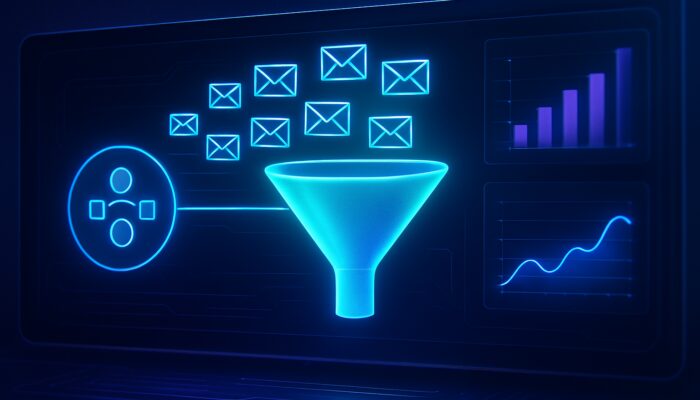
Choosing the right email platform is crucial for successful lead nurturing. Focus on tools that offer automation capabilities, enabling you to send customised messages efficiently to a wider audience. features like analytics are vital for monitoring engagement, helping you identify which content resonates most with your recipients.
Seamless integration with your existing workflows is equally significant. Look for platforms that easily connect with your CRM and other marketing tools. This integration allows for smooth data flow, ensuring you can consistently engage leads and guide them through your sales funnel without interruption.
Ultimately, selecting the right email platform enhances your capacity to implement campaigns effectively. It aids in tracking performance metrics over time, allowing you to adapt strategies based on live insights for improved outcomes.
How Can You Maintain Compliance and Secure Permission in Email Marketing?
Ensuring compliance with regulations such as GDPR and CAN-SPAM is vital in email marketing. These laws require you to obtain explicit consent from recipients prior to sending any marketing emails. Adhering to these regulations fosters trust with your audience and diminishes unsubscribe rates.
Implementing clear permission protocols guarantees that your communications are welcomed. Always include an easy opt-out option for recipients wishing to unsubscribe. This practice not only meets legal obligations but also nurtures a positive relationship with your audience.
Establishing a reputation for respecting privacy can elevate engagement rates. When leads perceive that their preferences are valued, they are more inclined to respond favourably to your nurturing initiatives, ultimately converting into dedicated customers.
What Actions Should You Take to Define Goals for Your Nurturing Campaigns?
Defining clear objectives is essential for any email nurturing campaign. Start by determining what success looks like for your business. This could encompass metrics such as increased open rates, click-through rates, or conversions. Establishing these goals creates a strategic framework for your content development efforts.
Measurable targets enable you to track your progress consistently. Regular reviews of these metrics allow for necessary strategy adjustments. If certain emails do not perform as expected, analysing the data can yield insights for needed revisions.
Ultimately, well-defined, quantifiable goals guide your nurturing process. They ensure that every email you dispatch has a distinct purpose and contributes to converting leads into committed customers. This results-focused approach aligns your efforts with your broader business objectives.
Developing Captivating Email Content

How Can You Create Compelling Subject Lines to Boost Open Rates?
Subject lines are the first impression of your email, making them critical for engagement. An enticing subject line generates curiosity and encourages recipients to open the email. Avoid misleading language; instead, aim to instil genuine interest that accurately reflects your email’s content.
Employing personalisation techniques, such as including the recipient’s name or highlighting their specific interests, can significantly enhance open rates. Individuals are more likely to engage with content that feels tailored to them. Testing various subject lines can also help determine what resonates most effectively with your audience.
A well-crafted subject line not only increases open rates but also sets the tone for the entire email. Dedicating time to develop effective subject lines is essential for successful lead nurturing.
How Can You Integrate Visuals and Effective Calls to Action?
Visual elements play a crucial role in improving email engagement. Incorporating images, infographics, or videos can elevate the overall appeal of your message. Strive for a balance between visuals and text to maintain professionalism and readability.
Calls to action (CTAs) should be clear and compelling, guiding readers towards the desired action. Use contrasting colours and concise language to ensure CTAs stand out. Position them strategically within your email to maximise visibility and effectiveness.
By combining engaging visuals with persuasive CTAs, you create a cohesive email experience that motivates recipients to take action. This strategy not only enhances engagement but also streamlines your lead nurturing process.
In What Ways Can Storytelling Enhance Email Connections?

Storytelling is a powerful technique in email marketing, fostering emotional connections. By sharing relatable narratives, you can engage your audience on a deeper level. Stories can illustrate how your product or service has positively impacted others, making your offerings more relatable and memorable.
Incorporating storytelling into your emails nurtures a sense of community among your leads. When they see themselves reflected in the stories you share, they are more inclined to respond positively to your offers. This emotional connection can significantly boost engagement rates.
Ultimately, storytelling introduces a human element to your emails, making them feel less transactional. By weaving narratives into your content, you can nurture leads more effectively and encourage them to advance in their buyer’s journey.
What Are the Best Practices for Effective Lead Nurturing?
How to Accurately Identify Your Audience’s Challenges?
Understanding your audience’s pain points is essential for effective lead nurturing. Conduct comprehensive research through surveys, interviews, or analytics to pinpoint the specific challenges your leads face. This understanding allows you to tailor your content to directly address their needs.
Presenting your offerings as solutions to these challenges enhances their perceived value. This strategy builds trust and demonstrates your commitment to supporting your audience’s success. Content that resonates with their difficulties is more likely to drive engagement and conversions.
Regularly revisiting and updating your understanding of audience pain points is crucial. As market dynamics evolve, so do the challenges your leads encounter. Staying attuned to these changes ensures your nurturing efforts remain relevant and effective over time.
What Is the Optimal Frequency for Follow-Up Emails?
Determining the appropriate frequency for follow-up emails is vital in lead nurturing. Sending too many emails can overwhelm recipients, leading to unsubscribes, while sending too few may result in your brand fading from their memory. A balanced strategy is necessary to maintain engagement without causing fatigue.
Typically, sending follow-up emails every 5-7 days is recommended. This timing keeps your brand fresh in their minds without inundating your audience. Monitor engagement metrics to adjust frequency based on how your leads are responding.
Ultimately, the aim is to remain relevant and supportive throughout the decision-making process. By striking the right balance, you can nurture leads effectively while developing a positive relationship that encourages conversions.
What Are the Key Benefits of Consistent Messaging Across Email Sequences?
- Enhances brand recognition and trust
- Improves engagement rates through familiarity
- Facilitates smoother transitions between content
- Boosts overall campaign effectiveness
- Encourages leads to take consistent action
Expert Insights on Optimising Email for Lead Nurturing
Real-World Success Stories in Email Campaigns
Practical case studies provide invaluable insights into effective email nurturing strategies. For example, a software company might showcase a case study illustrating how their product enabled a client to achieve significant efficiency gains. This not only informs potential leads but also demonstrates the product’s value in a relatable context.
Another example highlights a retail brand leveraging personalised emails to promote seasonal sales. By featuring customer testimonials and success stories, they enhance credibility and encourage leads to engage with their offerings. These practical applications illustrate how storytelling can yield positive results.
Successful campaigns often thoughtfully adapt these strategies, ensuring messaging aligns with their audience’s needs. By analysing these examples, marketers can glean insights that inform their own email nurturing efforts and enhance performance metrics.
What Steps Can You Take to Refine Your Email Sequences?
Refining your email sequences is vital for ongoing success in lead nurturing. Start by analysing engagement metrics to determine which emails resonate most with your audience. Look for patterns in open rates, click-through rates, and conversions to guide your adjustments.
Next, consider A/B testing different elements within your sequences. Experiment with variations in subject lines, content formats, or CTAs to identify which combinations yield the best results. This data-driven approach empowers you to make informed decisions that enhance the relevance of your emails.
Continuously iterate based on feedback. Regularly review performance metrics and adjust as needed. This proactive strategy ensures your nurturing efforts remain effective and aligned with your audience’s evolving preferences.
How to Analyse Content Performance Trends for Optimisation?
Evaluating content performance trends is crucial for optimising email nurturing strategies. By reviewing key metrics such as open rates, click-through rates, and conversion rates, you can identify which content types resonate most with your audience. This insight informs future email campaigns.
Look for patterns over time to understand how different segments respond to various content types. For instance, if educational content consistently outperforms promotional emails, consider adjusting your strategy to incorporate more value-driven material. This can enhance engagement and conversion rates.
Expert analysis also involves staying informed about industry trends. Regularly reviewing benchmarks and best practices provides additional context for your performance metrics. This knowledge equips you to make informed decisions and continually improve your email nurturing efforts.
In What Ways Does Segmentation Enhance Email Campaign Performance?
How to Categorise Contacts by Behavioural Patterns?
Segmentation based on behaviour patterns is a powerful tactic in email marketing. By categorising contacts according to their interactions with your brand, you can tailor your messages to resonate more deeply with each segment. This level of personalisation boosts engagement and drives superior results.
For instance, leads who frequently open your emails may appreciate more regular updates, while those showing less engagement might respond better to re-engagement campaigns. Understanding these behaviours allows you to create targeted content that speaks directly to each group’s interests.
Ultimately, effective segmentation leads to higher interaction levels. When recipients receive content relevant to their behaviours, they are more likely to engage with your brand and advance further along the sales funnel.
How Do Dynamic Tags Facilitate Personalisation on a Larger Scale?
Dynamic tags provide an effective means to personalise emails at scale. By employing automated tags, you can insert relevant details such as the recipient’s name, location, or past interactions directly into your emails. This level of personalisation enriches the recipient’s experience, making them feel valued.
Utilising dynamic tags allows you to generate tailored content without requiring manual effort. For example, you can send promotions based on a lead’s previous purchases or interests. This strategy not only boosts engagement but also encourages conversions.
By personalising emails with dynamic tags, you maintain a human touch even when addressing a large audience. This approach strengthens connections and enhances overall engagement metrics, making your lead nurturing efforts more effective.
How to Monitor Response Rates by Segment for Optimisation?
Monitoring response rates for different segments is essential for optimising your email campaigns. By analysing how various groups interact with your content, you can pinpoint opportunities for refinement. This data-driven strategy enables informed adjustments that enhance overall campaign effectiveness.
For example, if one segment shows consistently higher engagement rates, analyse which aspects of your messaging resonate with them. Conversely, if another segment underperforms, consider modifying the content or frequency of your emails to better meet their needs.
Regularly reviewing segment-specific response rates keeps you agile in your email marketing efforts. Adapting your strategies based on real-time feedback ensures continuous improvement in engagement and results in your lead nurturing campaigns.
Proven Techniques for Successful Email Lead Nurturing
How to Use Triggered Emails for Timely Outreach?
Triggered emails represent an exceptionally effective strategy for lead nurturing. By establishing automated triggers based on specific actions, you ensure your messages reach recipients at optimal moments. For instance, sending a welcome email immediately after a lead signs up creates a positive first impression.
These timely outreach efforts maximise impact by engaging leads when their interest is highest. Consider using triggers for various scenarios, such as abandoned cart reminders or follow-ups after a webinar. Each interaction can guide leads further down the sales funnel.
Ultimately, leveraging triggered emails enhances your nurturing efforts. By delivering relevant content at key moments, you strengthen connections and increase the likelihood of conversions.
What Are the Benefits of Consistent Messaging Across Email Sequences?
- Boosts brand recognition
- Enhances engagement through familiarity
- Facilitates smoother communication transitions
- Improves overall campaign performance
- Encourages consistent actions from leads
How to Balance Promotional and Educational Content?
Finding the right balance between promotional and educational content is essential in email nurturing. While promotional emails drive sales, educational material builds trust and establishes your authority in the industry. Combining both types keeps your audience engaged without bombarding them with constant sales messages.
Consider providing valuable insights, tips, or resources that address your audience’s pain points. This educational content positions your brand as a helpful resource, making leads more receptive to your promotional offers when they arise.
Ultimately, a balanced approach maintains your audience’s interest throughout the nurturing cycle. Offering value alongside promotions fosters a positive relationship that encourages leads to progress in their buyer’s journey.
How to Implement Advanced Personalisation Techniques?
Advanced personalisation strategies, such as dynamic content and segmentation, can significantly enhance your email marketing efforts. Tailoring messages to individual leads based on their preferences and behaviours creates highly relevant communications that resonate with each recipient.
For example, you might employ dynamic content to display different product recommendations based on a lead’s previous purchases. This level of personalisation not only boosts engagement metrics but also accelerates the progression of leads through the sales funnel.
Implementing these strategies requires a solid understanding of your audience and their needs. Regularly analysing data and refining your approach ensures that your email nurturing efforts remain effective and aligned with your overarching business goals.
Why Is It Important to Experiment with Different Email Strategies?
How to Systematically Compare Variations in Subject Lines?
A/B testing subject lines is a crucial practice for enhancing email engagement. By systematically comparing different variations, you can uncover preferences that lead to higher open rates. This data-driven technique enables you to refine your messaging and improve overall campaign performance.
Consider testing factors such as length, tone, and personalisation. For instance, a subject line that incorporates the recipient’s name may outperform a generic one. Regularly analysing these outcomes helps you identify patterns that inform future email strategies.
Ultimately, testing various subject line options empowers you to make informed decisions. By understanding what resonates with your audience, you can craft compelling subject lines that drive engagement and enhance your lead nurturing efforts.
How Can Optimising Send Times Improve Engagement?
Optimising send times is a powerful technique for increasing email engagement. By experimenting with different delivery times, you can identify peak periods when your audience is most receptive to receiving content. This strategy ensures that your emails arrive when leads are likely to engage.
Analyse engagement metrics according to time zones and recipient behaviours. For example, if you observe higher open rates in the morning, adjust your sending schedule accordingly. This data-driven strategy maximises the chances of your emails being seen and acted upon.
Ultimately, optimising send times enhances the effectiveness of your email nurturing efforts. By delivering content when your audience is most receptive, you can foster stronger connections and achieve better results in your campaigns.
What Are the Benefits of Consistent Messaging in Email Sequences?
- Increases brand recognition
- Enhances audience engagement
- Facilitates seamless communication
- Boosts campaign performance
- Encourages consistent actions from leads
How to Assess the Impact of Varying Call-to-Action Placements?
Testing different call-to-action (CTA) placements is essential for improving email performance. By systematically experimenting with various locations and wording, you can discover which configurations drive higher interaction levels. This approach allows you to optimise your emails for maximum effectiveness.
For example, placing a CTA at the beginning of the email may capture immediate attention, while a secondary CTA at the end can serve as a reminder. Analysing engagement metrics for each variation helps you identify patterns that inform your future email strategies.
Ultimately, understanding how different CTA placements affect engagement empowers you to refine your email nurturing efforts. By optimising these elements, you can enhance the overall performance of your campaigns and achieve better results.
How to Evaluate Performance for Tactical Refinements?
What Key Metrics Should You Review, Including Click-Through Rates?
Regularly assessing key metrics, such as click-through rates, is vital for refining your email tactics. These metrics provide essential insights into how well your content resonates with your audience. Analysing this data allows you to identify strengths and weaknesses within your email campaigns.
If certain emails exhibit low click-through rates, consider evaluating the content, subject lines, or CTAs to pinpoint areas for improvement. This iterative process ensures that your email nurturing efforts remain effective and aligned with your audience’s preferences.
Ultimately, focusing on key metrics enables you to make data-driven decisions. By consistently refining your tactics based on performance analysis, you can enhance engagement and achieve better results in your lead nurturing campaigns.
How to Adjust Based on Unsubscribe Feedback?
Insights gathered from unsubscribe feedback can provide valuable information for enhancing your email campaigns. Understanding the reasons why leads opt out is crucial. Analysing this feedback can highlight areas needing improvement to retain more leads effectively.
Consider implementing exit surveys or follow-up emails to gather insights from departing subscribers. This information can guide adjustments to your content, frequency, or overall strategy, ensuring that your nurturing efforts align with your audience’s expectations.
Ultimately, addressing unsubscribe feedback fosters a more favourable relationship with your leads. By making necessary improvements, you can boost retention rates and enhance the overall effectiveness of your email nurturing strategies.
How to Scale Successful Elements Across Your Campaigns?
Scaling successful elements across your email campaigns is essential for expanding positive outcomes. By identifying tactics that yield high engagement and conversion rates, you can replicate these strategies in future campaigns. This approach ensures you maintain consistent quality standards.
Analyse past campaigns to determine which elements contributed to their success. Whether it involves specific content types, subject lines, or CTAs, understanding these factors allows you to create a cohesive strategy that drives results.
Ultimately, scaling successful tactics enhances the effectiveness of your email nurturing efforts. By consistently applying proven strategies, you can improve overall performance and achieve better outcomes in your lead nurturing campaigns.
Frequently Asked Questions
What Does Lead Nurturing Entail in Email Marketing?
Lead nurturing in email marketing involves cultivating relationships with potential customers through targeted email communications. The aim is to guide leads through the sales funnel by providing relevant content and incentives that address their needs and interests.
How Often Should I Send Nurturing Emails?
It is generally advisable to send nurturing emails every 5-7 days. This frequency maintains your brand’s visibility without overwhelming recipients. Monitoring engagement metrics can assist in adjusting the timing based on your audience’s preferences.
What Types of Content Should Be Included in Nurturing Emails?
Your nurturing emails should feature a mix of educational content, promotional offers, and customer success stories. This balance sustains engagement and adds value for your audience while motivating them to take action.
How Can I Measure the Effectiveness of My Email Nurturing Campaigns?
You can assess success through key metrics such as open rates, click-through rates, and conversion rates. Regularly analysing these metrics enables you to evaluate the effectiveness of your campaigns and make necessary adjustments.
What Is Segmentation in Email Marketing?
Segmentation involves categorising your email list based on specific criteria, such as behaviour, demographics, or interests. This method allows you to tailor your messages to resonate more deeply with each group, enhancing engagement and conversion rates.
How Can I Personalise My Emails Effectively?
Effective personalisation can be achieved through dynamic content, using recipient names, and customising messages based on past interactions. This approach enhances the relevance of your emails, making recipients feel valued and increasing engagement.
What Are Triggered Emails?
Triggered emails are automated messages sent based on specific actions taken by leads. Examples include welcome emails, abandoned cart reminders, or follow-ups after a webinar. These messages ensure timely outreach when interest is high.
Why Is A/B Testing Important in Email Marketing?
A/B testing allows you to compare different elements of your emails, such as subject lines or CTA placements. This data-driven approach helps identify what resonates best with your audience, leading to improved engagement and conversion rates.
How Can I Enhance My Email Open Rates?
To improve open rates, concentrate on crafting compelling subject lines, optimising send times, and personalising content. Regularly analysing performance metrics can also help refine your strategies for better results.
What Should I Do If My Unsubscribe Rates Are High?
If unsubscribe rates are elevated, gather feedback from departing subscribers to understand their reasons. Use this information to adjust your content, frequency, or overall approach to better align with your audience’s preferences.
Explore our insights on X!
The Article How To Use Email For Lead Nurturing: Proven Techniques was first published on https://marketing-tutor.com
The Article Email for Lead Nurturing: Effective Techniques You Can Use Was Found On https://limitsofstrategy.com
The Article Email for Lead Nurturing: Proven Strategies to Engage Prospects found first on https://electroquench.com