The Importance of Regular Vitamin D Level Monitoring in Your Area
Why Is Vitamin D Testing Crucial for Your Health?
Private Vitamin D Blood Testing in Stroud: Many individuals struggle to maintain healthy vitamin D levels, particularly during the winter months when sunlight is limited. Regular testing facilitates the early identification of deficiencies, allowing for timely interventions that can avert serious health issues. Local healthcare professionals are ready to provide customised advice and treatment options, ensuring that residents receive the necessary support to improve their overall health.
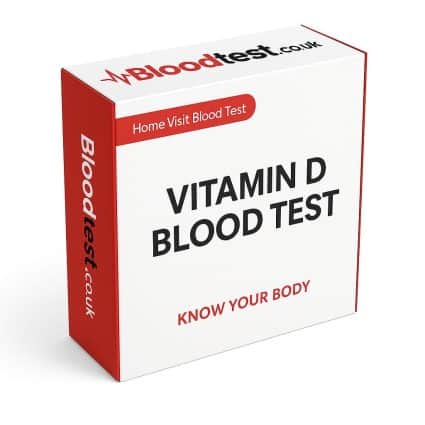

Recognising the significance of vitamin D is essential, as it has a profound impact on both bone health and immune function. A straightforward blood test can determine if levels are inadequate, allowing healthcare professionals to recommend dietary modifications or supplements. Given the often overcast weather in the UK, especially in Stroud, frequent testing enables residents to proactively manage their health.
Proactive management is vital for maintaining vitamin D levels. Regular testing empowers individuals to prevent complications such as osteoporosis and a heightened vulnerability to infections. Local healthcare services are poised to offer the necessary support, making the journey towards optimal health easier for residents.
Recognising Common Symptoms of Deficiency in Adults Across the UK
A considerable number of adults in the UK may experience fatigue, bone discomfort, or mood changes without realising that low vitamin D levels might be the underlying cause. These symptoms are frequently misattributed to other health issues, delaying appropriate treatment. By choosing regular blood tests at clinics in Gloucestershire, residents can gain invaluable insights into their vitamin D status.
Fatigue is particularly prevalent among those with insufficient vitamin D levels, significantly affecting daily routines, productivity, and overall quality of life. Early detection through blood tests can prompt necessary lifestyle changes or supplementation to alleviate these symptoms and boost energy levels.
Bone pain may signal a vitamin D deficiency, which is especially concerning for older adults. Regular testing not only aids in identifying deficiencies but also encourages individuals to adopt healthier lifestyle choices that promote bone health, such as increased physical activity and improved nutrition.
Community Health Management Benefits
- Enhanced overall health and wellbeing.
- Early detection of deficiencies to prevent chronic health issues.
- Access to personalised advice from local healthcare professionals.
- Increased awareness about the significance of vitamin D.
- Support for maintaining robust bones and immune function.
Consistent vitamin D testing in Stroud can yield substantial health benefits for the entire community. By addressing deficiencies early, residents can avoid long-term health problems and improve their quality of life. Local healthcare providers play a crucial role in this endeavour, providing bespoke guidance and support.
NHS Guidelines for Vitamin D Blood Testing in Stroud
How Can You Access Testing Services Through Your GP?
The National Health Service (NHS) offers clear guidelines for residents in Stroud seeking vitamin D blood tests. Patients are encouraged to discuss any symptoms with their General Practitioner (GP), who can evaluate whether testing is warranted according to current UK guidelines. This collaborative approach ensures that patients receive care tailored to their individual needs.
GP practices in Stroud are well-equipped to assist patients in navigating the blood test request process. By openly discussing symptoms, patients can help their doctors determine if a vitamin D test is necessary. This proactive communication enriches the healthcare experience and ensures that patients are informed about their options.
Understanding NHS guidelines is essential for residents, as these protocols are designed to guarantee fair access to healthcare services. By adhering to these guidelines, patients can navigate the system more effectively, ensuring timely access to necessary tests and appropriate care.
Who Qualifies for Free Vitamin D Assessments?
Certain segments of the UK population are eligible for complimentary vitamin D assessments based on specific medical histories and risk factors. This includes individuals with limited sun exposure, those with certain health conditions, and pregnant or breastfeeding women. Understanding these eligibility criteria is crucial for ensuring equitable access to vital health services.
For residents in Stroud, being aware of these criteria can significantly improve access to necessary healthcare. Those who qualify for free assessments can benefit from early detection and intervention, leading to better health outcomes. Individuals should discuss their circumstances with their GP to determine eligibility.
Being informed about eligibility not only helps patients access free testing but also encourages proactive health management. By understanding their rights and options, residents can take control of their health and ensure they receive the necessary support to maintain optimal vitamin D levels.
What Is the Best Method for Patients to Request a Referral?
To streamline the process of requesting a vitamin D blood test in Stroud, patients should prepare notes concerning their diet, sun exposure, and any symptoms they are experiencing prior to their appointment. This preparation can lead to a more fruitful discussion with their GP, ensuring that all relevant information is taken into account when deciding on the necessity of testing.
During visits to local medical centres, patients should clearly express their concerns. By articulating their symptoms and lifestyle factors, they can assist their doctor in making an informed decision regarding the need for a blood test. This proactive approach can lead to quicker referrals and more efficient healthcare delivery.
Familiarity with NHS referral procedures can further expedite the process. Understanding the steps involved and communicating effectively with healthcare providers can significantly reduce waiting times and guarantee timely care for patients.
How Can Residents Conveniently Book a Vitamin D Test?
Utilising Online Booking Systems in Gloucestershire
Residents in Stroud can benefit from online booking systems offered by local NHS trusts, making it easier to schedule vitamin D blood tests. These digital platforms allow users to book appointments conveniently, eliminating the need for lengthy phone calls or in-person visits. This accessibility is particularly advantageous for those with busy lifestyles.
The online systems are user-friendly, ensuring residents can navigate them with ease. Clear instructions and options for available appointments make these platforms suitable for a wide range of users, from tech-savvy individuals to those less familiar with digital tools. This inclusivity encourages greater participation in health management.
The convenience of online booking lessens waiting times, allowing patients to receive timely tests and results. This efficiency is crucial for managing vitamin D levels, as early detection can facilitate more effective interventions and improve health outcomes for the community.
Walk-In Testing Options at Local Clinics
Several community clinics in Stroud provide walk-in vitamin D blood test appointments during designated hours. This flexibility allows residents to seek testing without needing prior appointments, which is beneficial for those with unpredictable schedules. It is advisable to check availability beforehand to avoid any disappointment.
Walk-in services cater to individuals who may not have time to book an appointment in advance or those who prefer immediate access to healthcare services. This approach meets the community’s needs, providing a practical solution for residents looking to monitor their vitamin D levels.
Being informed about the hours and availability of walk-in clinics is essential for maximising access to these services. Residents can take advantage of the convenience of immediate testing, ensuring they remain proactive about their health without unnecessary delays.
Telephone Appointments for Added Convenience
For many older residents in Stroud, telephone appointments are a preferred option for booking vitamin D blood tests. This method allows patients to communicate directly with healthcare staff, who can guide them through the necessary preparations and address any questions they may have. This personal touch can be especially reassuring for those who may feel overwhelmed by online systems.
When calling their GP practices, patients should be prepared to discuss their symptoms, lifestyle factors, and any concerns they may have regarding vitamin D. This information will aid staff in providing personalised advice and ensuring that patients receive appropriate care based on their specific circumstances.
Telephone appointments also offer flexibility for those who may lack internet access or prefer direct communication. This accessibility is vital for ensuring that all residents in Stroud can effectively manage their health and access the services they need.
Expert Perspectives on Vitamin D Blood Testing in Stroud
Insights from Local Testing Trends
Recent evaluations of vitamin D testing trends in Stroud reveal a growing awareness of the importance of monitoring vitamin D levels. Local healthcare providers have observed an increase in requests for blood tests, reflecting a shift towards proactive health management among residents. This trend is encouraging, as early identification of deficiencies can prevent long-term health complications.
Practices in Stroud have adjusted their testing procedures to align with national guidelines, ensuring that residents receive high-quality care. This involves regular training for healthcare staff and the implementation of best practices in testing and interpreting results. Such initiatives contribute to improved health outcomes for the community.
Expert insights emphasise the necessity for ongoing education regarding vitamin D’s role in health. By promoting awareness through community initiatives and healthcare campaigns, Stroud can continue to excel in effective vitamin D management, ultimately benefiting the health of its residents.
Compliance with Laboratory Standards in the Region
Laboratories in Gloucestershire adhere to rigorous quality control measures established by national organisations, ensuring that vitamin D testing meets high standards. These facilities undergo regular inspections and maintain accreditation, guaranteeing that tests are conducted accurately and reliably. This commitment to quality is essential for sustaining trust in healthcare services.
Results from local laboratories are interpreted with consideration of the dietary habits and climate factors specific to the UK. This context is vital, as it enables healthcare providers to offer tailored recommendations based on local conditions. Understanding these variables can lead to more effective interventions for residents in Stroud.
Patients can trust the integrity of their test results, knowing that local laboratories comply with established protocols. This dedication to quality standards not only enhances the accuracy of testing but also supports the overall health of the community by facilitating timely and appropriate care.
Guidance from Professionals for Patients
Following a vitamin D blood test, healthcare providers in Stroud offer actionable recommendations to interpret results and plan follow-ups. Patients are encouraged to engage in open discussions with their GPs about the implications of their results, including potential lifestyle changes or supplementation. This collaborative approach fosters a better understanding of individual health needs.
Healthcare professionals advocate for regular monitoring for those identified with deficiencies, as this can assist in tracking progress and adjusting treatment plans as required. Establishing a routine for follow-up tests can empower patients to take charge of their health and make informed decisions regarding their vitamin D management.
Patients should consider dietary adjustments and increased sun exposure as part of their overall health strategy. By working closely with local healthcare providers, residents can develop personalised plans that support sustained vitamin D levels and promote long-term wellbeing.
What Influences the Accuracy of Vitamin D Tests?
How Do Timing and Seasonal Variations Affect Testing Accuracy?
The timing of vitamin D blood tests can significantly influence accuracy, particularly in the UK where seasonal changes in sunlight exposure are common. Tests conducted during the summer months may yield higher vitamin D levels compared to those taken in winter, when sunlight is scarce. Consistent timing for testing enhances the reliability of results, allowing for more precise monitoring over time.
Understanding these seasonal variations is crucial for residents in Stroud. By scheduling tests at similar times each year, individuals can more effectively track fluctuations in their vitamin D levels and adjust their health strategies accordingly. This consistency can lead to improved management of deficiencies and overall health.
Healthcare providers recommend that patients consider their sun exposure and lifestyle factors when interpreting test results. By taking these variables into account, residents can gain a clearer understanding of their vitamin D status and make informed health decisions.
Why Is Proper Sample Handling Important?
Proper sample handling procedures are vital for preserving the integrity of vitamin D test results. Local laboratories in Stroud adhere to strict protocols for the collection and transport of blood samples, ensuring they are processed under optimal conditions. Any missteps at this stage can compromise results, making adherence to established guidelines crucial.
Patients can help ensure accurate results by following any pre-test instructions provided by their healthcare providers. This may include guidance on fasting or avoiding certain medications prior to testing. By diligently following these preparations, individuals can contribute to the accuracy of their test results.
Laboratories regularly review their sample handling processes to incorporate best practices and technological advancements. This commitment to quality control is essential for providing reliable health assessments and maintaining trust in local healthcare services.
What Guidelines Should Patients Follow for Effective Preparation?
To ensure accurate readings during a vitamin D blood test, patients should avoid certain foods or supplements beforehand. High doses of vitamin D supplements, for instance, could skew results, leading to inaccurate evaluations of an individual’s true vitamin D status. Healthcare providers in Stroud offer tailored guidance to assist patients in preparing effectively for their tests. Residents should disclose any medications they are taking, as some can influence vitamin D metabolism and potentially impact test results. By sharing this information with healthcare providers, patients can ensure that their results are accurately interpreted.
Preparing for a vitamin D test involves more than just dietary adjustments; it also necessitates understanding the importance of timing and consistency. By adhering to the guidelines provided by healthcare professionals, residents can enhance the accuracy of their test results and improve their overall health management.
How Do Medications and Health Conditions Impact Vitamin D Levels?
Various medications and health conditions can significantly affect vitamin D metabolism and test outcomes. For example, anticonvulsants and certain weight-loss medications may impede vitamin D absorption, leading to lower levels in the body. Patients in Stroud must provide a complete medical history to their healthcare providers for accurate test result interpretation.
Health conditions such as obesity and renal disorders can also influence vitamin D metabolism. Individuals with these conditions may require closer monitoring and customised treatment plans to address their specific needs. Understanding the relationship between medications, health conditions, and vitamin D levels is essential for effective health management.
Healthcare providers recommend regular follow-ups for patients with known conditions that affect vitamin D metabolism. This proactive strategy helps ensure that individuals receive the necessary support and adjustments to their treatment plans, ultimately promoting better health outcomes.
What Testing Methods Are Utilised in Laboratories?
Selecting a reliable testing laboratory is essential for obtaining accurate vitamin D test results. Different testing methods, such as liquid chromatography-tandem mass spectrometry (LC-MS/MS) and immunoassays, can yield varying results for vitamin D concentrations. In the UK, patients are encouraged to use certified laboratories that adhere to quality standards to minimise errors and ensure trustworthy outcomes.
Local laboratories in Stroud follow stringent protocols to ensure the accuracy of their testing methods. Regular audits and quality checks help maintain high standards, instilling confidence in residents regarding their health assessments. This commitment to best practices is fundamental for effective health management.
Patients should consult with their healthcare providers to understand the testing methodologies employed and how they may influence their results. By being informed about the processes involved, individuals can make better decisions concerning their vitamin D management and overall health.
Nutritional Approaches to Maintaining Healthy Vitamin D Levels
How Can Oily Fish Enhance Your Diet?
Incorporating regular servings of oily fish, such as salmon and mackerel, is highly recommended for maintaining healthy vitamin D levels. These fish are rich in vitamin D, providing a natural approach to increasing intake. UK nutritionists advocate for including these foods in meals to support overall health and wellbeing.
Oily fish not only deliver vitamin D but also supply essential omega-3 fatty acids, which are beneficial for cardiovascular health. By adding these nutrient-rich options to their diets, residents in Stroud can elevate their vitamin D levels while also enjoying additional health benefits. This dual advantage makes oily fish an excellent choice for a balanced diet.
For those who may not enjoy fish, alternative sources of vitamin D, such as fortified foods and supplements, are also available. The natural benefits of oily fish make it a preferred option for many. Recognising the importance of dietary choices empowers residents to take control of their health and effectively support their vitamin D levels.
What Fortified Foods Are Easily Accessible in Local Shops?
Many supermarkets in the UK offer a variety of fortified foods enriched with vitamin D, making it easier for residents of Stroud to maintain adequate levels. These products include milk, breakfast cereals, and plant-based alternatives, providing accessible options for individuals looking to increase their vitamin D intake.
Opting for fortified foods is a practical strategy for those who may struggle to obtain sufficient vitamin D through sunlight or diet alone. By integrating these items into their daily meals, residents can effectively support their health and wellbeing. This approach is particularly crucial during the winter months when sunlight exposure is limited.
When purchasing fortified foods, it is essential to check labels carefully to ensure the products contain adequate vitamin D. By making informed choices, residents can enhance their diets and promote their overall health.
What Are Safe Supplement Choices for Vitamin D?
- Supports overall health and wellbeing.
- Helps maintain healthy bones and immune function.
- Can improve energy levels and reduce fatigue.
- Facilitates early detection of deficiencies.
When considering vitamin D supplements, residents in Stroud should exercise caution regarding the various options available and their safety. It’s important to select reputable brands that comply with quality standards to ensure the supplements provide appropriate levels of vitamin D. Consulting with healthcare providers can assist individuals in choosing the right supplements based on their specific needs.
Taking vitamin D supplements can be particularly advantageous for those at risk of deficiency, including individuals with limited sun exposure or specific health conditions. By incorporating these supplements into their health routines, residents can effectively manage their vitamin D levels and support their overall wellbeing.
Understanding the correct dosage is crucial for safety. Over-supplementation can lead to adverse effects, so individuals must adhere to healthcare professionals’ advice when determining the appropriate amount of vitamin D to take.
What Do Research Findings Reveal About the Benefits of Vitamin D Blood Testing in Stroud?
Key Outcomes from UK Research Studies
Recent studies conducted in the UK have underscored the importance of early detection of vitamin D deficiencies through blood tests. These investigations suggest that individuals who engage in routine testing enjoy improved health outcomes, particularly regarding bone health and immune function. Such evidence highlights the value of proactive health management for residents in Stroud.
Research indicates that communities similar to Stroud have benefited from heightened awareness and access to vitamin D testing. By implementing local health initiatives and educational campaigns, residents can become more informed about the significance of monitoring their vitamin D levels and the potential health implications of deficiencies.
The results from these studies reinforce the necessity for ongoing education and support within communities. By fostering a culture of health awareness, Stroud can enhance the overall wellbeing of its residents and reduce the incidence of vitamin D-related health issues.
Long-Term Health Benefits of Regularly Monitoring Vitamin D Levels
Consistent monitoring of vitamin D levels can yield significant long-term health benefits, especially in mitigating risks associated with poor bone health. Research suggests that individuals who actively manage their vitamin D levels through regular testing and appropriate interventions experience fewer complications related to osteoporosis and fractures. This proactive approach is particularly vital for older adults in Stroud.
Maintaining optimal vitamin D levels has also been linked to improved immune function, lowering the risk of infections and illnesses. By prioritising regular testing and health management, residents can enhance their quality of life and wellbeing.
Experts note that the positive effects of vitamin D management extend beyond physical health, influencing mental wellbeing as well. By addressing deficiencies and promoting healthy levels, individuals in Stroud can experience improved mood and cognitive function, contributing to a more vibrant community.
How Do Blood Test Results Influence Treatment Strategies?
The outcomes of vitamin D blood tests are instrumental in shaping personalised treatment strategies for residents in Stroud. Healthcare providers utilise these results to develop tailored approaches that may include dietary modifications, supplementation, or lifestyle changes. This individualised strategy ensures that patients receive the most effective care based on their unique circumstances.
When deficiencies are identified, healthcare professionals can recommend specific interventions to help patients achieve optimal vitamin D levels. This may involve routine follow-up testing to monitor progress and adjust treatment plans as necessary. By actively managing their health, individuals can take control of their vitamin D status.
Understanding the implications of test results empowers patients to make informed health decisions. By collaborating with healthcare providers, residents can formulate comprehensive plans that support their overall wellbeing and promote long-term health.
Where Can Residents Find Reliable Testing Facilities?
What Hospital-Based Laboratories Are Available Nearby?
Residents of Stroud have access to several hospital-based laboratories that provide comprehensive vitamin D testing services. These facilities offer rapid turnaround times for results, ensuring that patients receive timely information regarding their vitamin D status. Local hospitals are equipped with advanced technology and trained personnel to conduct accurate tests.
Utilising hospital-based laboratories is beneficial for those seeking detailed reports that adhere to national standards. Patients can feel assured knowing that their tests are performed under strict quality controls, leading to reliable results. This assurance is essential for effective health management and decision-making.
Residents are encouraged to inquire about the specific services offered by local hospitals and any testing prerequisites. By understanding the available options, individuals can make informed choices about where to access reliable testing facilities.
What Private Clinics Offer Testing Services in the Region?
For those considering alternative options, several private clinics in Stroud provide confidential vitamin D testing services. These licensed providers operate under the regulations applicable throughout the UK, ensuring that patients receive high-quality care. Private clinics may offer more flexible scheduling and potentially shorter waiting times than NHS facilities.
Choosing a private clinic can be especially advantageous for individuals who prefer a more personalised experience or require specific testing services. Residents can expect tailored advice and support from healthcare professionals dedicated to addressing their unique health needs.
When evaluating private testing options, patients should verify the clinic’s credentials and reputation. By selecting reputable providers, residents can ensure they obtain accurate testing and appropriate follow-up care.
How Do Mobile Testing Units Support Remote Areas?
Occasionally, mobile testing units are dispatched to reach outlying regions of Gloucestershire, expanding access to vitamin D testing for residents in those areas. These units are part of regional health initiatives aimed at ensuring that all individuals can monitor their vitamin D levels, regardless of their location.
Mobile testing services are designed to be convenient and accessible, allowing residents to receive necessary health assessments without travelling long distances. This approach is particularly beneficial for those who may face mobility challenges or have limited transportation options.
Residents should stay informed about the availability of mobile testing units in their vicinity. By utilising these services, individuals can actively manage their health and ensure they are effectively monitoring their vitamin D levels.
What Follow-Up Care and Support Options Are Available?
Why Is Tracking Progress Important Over Time?
- Enhances understanding of individual health needs.
- Facilitates timely interventions for deficiencies.
- Encourages adherence to treatment plans.
- Promotes proactive health management.
Monitoring vitamin D levels over time is crucial for residents in Stroud to ensure they are maintaining optimal health. Regular follow-up tests enable individuals to track their progress and adjust their treatment plans as necessary. This proactive approach empowers patients to take charge of their health and wellbeing.
By closely monitoring their vitamin D status, residents can identify fluctuations that may require intervention. This ongoing assessment supports timely responses to deficiencies, minimising the risk of related health complications.
Healthcare providers play a pivotal role in guiding patients throughout this process, offering support and recommendations based on test results. By fostering a collaborative relationship, individuals can enhance their health management and achieve better outcomes.
How Can Lifestyle Changes Based on Test Results Be Effective?
Implementing lifestyle modifications informed by vitamin D test results can significantly impact overall health. Engaging in regular outdoor activities, especially on sunny days, can help boost natural vitamin D synthesis. Residents in Stroud are encouraged to maximise the UK’s limited sunlight by spending time outdoors whenever possible.
To sun exposure, dietary modifications play a vital role in maintaining healthy vitamin D levels. Incorporating foods rich in vitamin D, such as oily fish and fortified products, can help individuals sustain adequate levels between medical assessments.
Ultimately, the key to effective lifestyle changes lies in understanding the individual’s unique circumstances and health needs. By collaborating closely with healthcare providers, residents can develop personalised strategies that promote sustained health and wellbeing.
What Community Resources Are Available in Stroud?
Local organisations in Stroud offer valuable educational sessions following vitamin D testing, providing residents with essential information on managing their vitamin D levels. These community resources can assist individuals in understanding the significance of their results and the steps they can take to enhance their health.
Participating in community initiatives fosters a sense of support and connection among residents. By sharing experiences and knowledge, individuals can motivate one another to take proactive steps in managing their vitamin D levels.
Community resources frequently provide access to workshops and seminars on various aspects of health and nutrition. Engaging in these offerings can enhance residents’ understanding of vitamin D and its role in overall wellbeing.
How Can Patients Obtain Specialist Referrals?
For individuals requiring more comprehensive evaluations following vitamin D testing, seeking referrals to specialists can enhance follow-up care. Healthcare providers in Stroud can facilitate these referrals, ensuring that patients receive the necessary support to address specific deficiencies or health concerns.
Consultations with specialists can offer in-depth assessments and tailored treatment strategies, allowing individuals to benefit from expert insights. This collaborative approach to healthcare ensures that residents receive the most appropriate care based on their unique needs and circumstances.
By addressing specific deficiencies with specialist assistance, individuals can optimise their vitamin D management and overall health. This proactive strategy is crucial for fostering long-term wellbeing and preventing potential health complications.
What Common Questions Are Frequently Asked?
What is a vitamin D blood test?
A vitamin D blood test measures the level of vitamin D in the bloodstream, helping to identify any deficiencies that may affect health.
How often should I have my vitamin D levels tested?
The frequency of testing can vary based on individual health needs, but it is generally recommended to test at least once a year, particularly during the winter months.
What symptoms indicate a vitamin D deficiency?
Common symptoms include fatigue, bone pain, muscle weakness, and mood changes. Some individuals may not exhibit noticeable symptoms.
Can I obtain a vitamin D test through my GP?
Yes, you can request a vitamin D blood test through your GP in Stroud, especially if you are experiencing symptoms or have risk factors.
Are there eligibility criteria for free vitamin D tests?
Certain groups, including pregnant women and individuals with limited sun exposure, may qualify for free vitamin D tests under NHS guidelines.
What dietary changes can enhance vitamin D levels?
Incorporating oily fish, fortified foods, and vitamin D supplements can help improve levels. Regular sun exposure is also beneficial.
How long does it take to receive test results?
Typically, you can expect to receive your vitamin D test results within a week, depending on laboratory processing times.
What actions should I take if my vitamin D levels are low?
If your levels are low, consult your healthcare provider for recommendations on dietary changes, supplementation, and lifestyle adjustments.
Are there risks associated with vitamin D testing?
Vitamin D testing is generally safe, with minimal risks. It is important to address any concerns with your healthcare provider.
Can I take supplements without prior testing?
While supplements can be beneficial, it is advisable to undergo testing first to determine the appropriate dosage and avoid potential over-supplementation.
Visit our Facebook profile for more information!
This Article Was First Found On https://bloodtest.co.uk
The Article Vitamin D Blood Test: Essential Information for Stroud Residents found first on https://electroquench.com