Comprehensive Insights into Vitamin D Blood Testing in Warrington
What is the primary purpose of a Vitamin D blood test?
Private Vitamin D Blood Test in Warrington: Within the UK, a Vitamin D blood test is essential for accurately measuring vitamin D levels, which helps prevent deficiencies that tend to be notably prevalent during the winter months. This testing is essential for uncovering potential risks to bone health, particularly for individuals who experience limited sun exposure. For the residents of Warrington, where the darker months can drastically reduce sunlight availability, these tests become indispensable for maintaining optimal health and wellbeing.
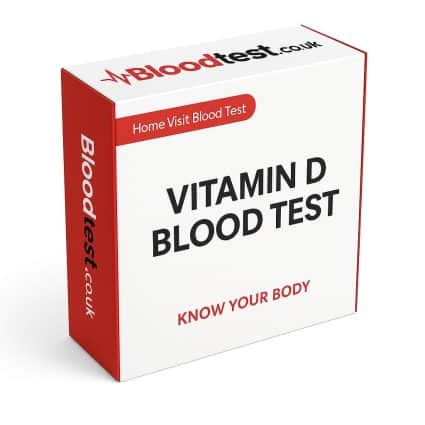

According to NHS guidelines, regular testing plays a significant role in determining an individual’s vitamin D status, thereby preventing a range of health complications that can arise from insufficient vitamin D levels, which may lead to serious health issues if left unaddressed.
What are the essential components of the Vitamin D testing process?
Laboratories throughout the UK, including those situated in Warrington, adopt specific methodologies such as the 25-hydroxyvitamin D assay to guarantee accurate and reliable results. This testing process is carefully aligned with national standards for diagnosing vitamin D deficiency. By employing this trusted method, individuals can obtain precise measurements of their vitamin D levels, which are crucial for public health initiatives aimed at combating vitamin D deficiency across the entire population.
How are Vitamin D test results reported in the UK?
Results derived from clinics in Warrington are interpreted based on established NHS thresholds, which categorise vitamin D levels as either sufficient or deficient. This structured reporting framework is intentionally designed to guide follow-up care within the British healthcare system. By providing tailored advice based on individual results, healthcare professionals can significantly enhance patients’ health outcomes. This systematic approach ensures that every patient receives the necessary care and guidance based on their unique vitamin D status.
Essential Preparations Needed for Your Vitamin D Blood Test
What steps should you take before undergoing the test?
In the UK, preparing adequately for your Vitamin D blood test is vital for achieving reliable results. It is highly advisable to consult your GP regarding whether fasting is necessary prior to the test. Key preparatory measures include:
- Refraining from any vitamin D supplements for several days leading up to the test
- Scheduling your test during clinic hours in Warrington to ensure maximum accuracy
- Ensuring proper hydration before the blood collection
- Discussing any medications you are currently taking with your healthcare provider
These preparatory actions are instrumental in ensuring the accuracy of your test results, which in turn facilitates a more effective follow-up plan tailored specifically to your health needs, ultimately contributing to your overall wellbeing.
Why is timing important when scheduling your test?
Testing during specific seasons, particularly winter in the UK, can unveil potential deficiencies arising from limited sunlight exposure. This makes it especially crucial for individuals in Warrington to undergo routine monitoring to maintain optimal health. For instance, many residents may experience significantly lower vitamin D levels during the colder months, which underscores the need for strategic timing in health management to sustain adequate levels throughout the year and avert related health complications.
What common requirements are set by UK clinics for testing?
Health centres in Warrington generally require individuals to present identification and a referral to ensure that tests align with NICE guidelines. This protocol streamlines the testing process, thereby enabling quicker diagnosis and effective management of vitamin D deficiency. By adhering to these requirements, clinics can maintain operational efficiency and ensure that patients receive timely interventions based on their vitamin D status.
Which lifestyle factors should you consider before the test?
In the UK, various lifestyle factors such as outdoor exposure and levels of physical activity significantly influence vitamin D levels. Therefore, it is essential to evaluate your daily routine before undergoing the test. Residents of Warrington should heed NHS advice on sunlight exposure and exercise to ensure reliable test outcomes. For example, spending time outdoors on sunny days can greatly enhance vitamin D synthesis in the skin, thereby contributing positively to overall health and wellbeing.
Expert Perspectives on Vitamin D Blood Testing in Warrington
What does advanced analysis reveal about test accuracy?
Experts meticulously analyse how laboratories in Warrington achieve precise measurements of vitamin D levels through the use of certified equipment. By adhering to stringent quality control protocols, these facilities ensure that the results are not only accurate but also truly representative of an individual’s vitamin D status, which is vital for effective treatment planning. These insights are grounded in clinical trials and research, offering actionable steps for enhancing the reliability of vitamin D testing, thus improving health outcomes for patients.
What factors influence Vitamin D levels in individuals?
Experts observe that dietary habits and weather conditions in the UK significantly affect vitamin D levels. Real-world examples from various regional studies illustrate effective management strategies. For instance, individuals who primarily consume processed foods may be at a higher risk of nutrient deficiencies. Conversely, those who include fatty fish and fortified products in their diets are more likely to maintain healthier vitamin D levels, reinforcing the critical importance of a balanced diet for overall health.
What are the recommended long-term monitoring strategies?
Scheduling repeat tests in Warrington is essential for effective long-term health management. Based on NHS data, experts advocate personalised plans that incorporate regular monitoring, especially for individuals with a history of vitamin D deficiency. This proactive approach enables timely adjustments to dietary and lifestyle choices, thereby ensuring optimal health and wellbeing while preventing the recurrence of deficiencies.
Thorough Explanation of How a Vitamin D Blood Test Functions
What is the blood sample collection process like?
In UK healthcare settings, a straightforward blood draw from the arm is conducted at local clinics, ensuring minimal discomfort and swift processing in accordance with established procedures. Trained healthcare professionals employ sterile techniques for sample collection, guaranteeing that the process is both safe and efficient for patients. This meticulous approach highlights the commitment to patient care and the reliability of test results, which are essential for accurate health assessments and subsequent treatment planning.
What equipment is typically used during testing?
Testing facilities in Warrington generally utilise a range of tools and equipment, including:
- Syringes for effective blood collection
- Analysers that accurately read and interpret vitamin D levels
- Refrigeration units for optimal sample storage
- Quality control materials that ensure accuracy and reliability
All equipment complies with UK medical regulations, reflecting a strong commitment to high standards in the healthcare system and ensuring that patients receive reliable results, which are crucial for effective health management and treatment outcomes.
How is the scientific method applied in interpreting results?
The test specifically measures 25(OH)D levels through laboratory analysis, which assists healthcare professionals in identifying deficiencies prevalent in the UK population. Understanding these measurements enables healthcare providers to develop effective treatment strategies tailored to individual patients’ unique needs, ensuring that appropriate interventions are implemented to maintain optimal health and wellbeing.
What Are the Benefits of Vitamin D Testing?
How does testing support bone health effectively?
Regular testing in the UK is a proactive measure to prevent health conditions such as osteoporosis by ensuring adequate vitamin D levels. This testing promotes stronger bones through timely detection and intervention via services available in Warrington. Early diagnosis can lead to targeted interventions that significantly increase bone density, thereby reducing fracture risk among vulnerable populations, such as the elderly who are particularly susceptible to bone health issues.
Why is Vitamin D essential for immunity?
Vitamin D plays a pivotal role in fortifying the immune system, thereby minimising the likelihood of illness in the UK, especially during peak flu seasons. Local health data supports the notion that maintaining adequate vitamin D levels can enhance the body’s ability to combat infections, making regular testing a crucial aspect of overall health maintenance. This is particularly relevant for individuals at higher risk of contracting infections, ensuring they receive appropriate guidance and support for their immune health.
What are the overall benefits for wellbeing?
Consistent testing contributes to improved energy levels and mood. UK health guidelines underscore the importance of maintaining adequate vitamin D levels, particularly in regions like Warrington, where sunlight exposure can be limited. Sufficient vitamin D not only supports physical health but also positively impacts mental wellbeing, thereby enhancing the quality of life for individuals and promoting holistic health across the community.
How does testing support mental health?
Vitamin D testing in the UK is instrumental in identifying deficiencies that may contribute to mental health challenges such as depression and anxiety. By enabling early treatment in accordance with NHS recommendations, this proactive approach fosters mental wellbeing. It enhances quality of life, particularly in areas such as Warrington, where awareness of mental health issues is increasing, ensuring that individuals receive the necessary support and interventions to thrive.
Research-Backed Strategies for Optimising Vitamin D in the UK
What evidence-based prevention methods are recommended?
Actionable recommendations derived from UK research on sunlight exposure and dietary supplements provide effective strategies to prevent vitamin D deficiency. The NHS advocates spending time outdoors and incorporating foods rich in vitamin D, such as oily fish and fortified cereals, into diets to combat seasonal deficiencies, which are particularly common in Warrington. This dietary approach, combined with lifestyle adjustments, can lead to significant improvements in overall health and wellbeing.
How can testing be integrated into daily life?
Experts suggest routine testing in Warrington, informed by findings from various studies, providing strategies that combine testing with lifestyle changes for long-lasting benefits. Encouraging regular testing aligns with personal health goals, making it easier for individuals to monitor their vitamin D levels through conscious dietary choices and strategic sun exposure, thereby promoting a healthier lifestyle and improved health outcomes.
What are the latest findings from UK studies on Vitamin D?
Recent research underscores the necessity of annual testing, with expert analysis highlighting how these findings influence NHS policies in the UK. These policies are designed to proactively address vitamin D insufficiency, ensuring that at-risk populations receive timely interventions backed by robust scientific evidence, ultimately aiming to improve public health outcomes and enhance community wellbeing.
What dietary sources and fortification strategies are recommended?
Research conducted in the UK emphasises the significance of fatty fish, eggs, and fortified foods in maintaining healthy vitamin D levels. Public health initiatives, including those by the NHS, showcase successful fortification programmes combined with dietary advice that aim for widespread health benefits. Incorporating these foods into daily meals can significantly enhance overall vitamin D intake, thereby promoting better health and reducing deficiency risks.
How can deficiencies be managed in vulnerable populations?
Studies within the UK focus on specific groups, such as older people and those working indoors, who are at higher risk of vitamin D deficiency. Expert-recommended strategies include tailored supplementation plans and community support initiatives, guided by NHS protocols, to effectively reduce deficiency rates. This targeted approach ensures that those most at risk receive the resources and guidance they require for optimal health, thus improving health equity across populations and fostering a healthier community.
Why Is Vitamin D Crucial for Health?
What role does Vitamin D play in children’s health?
In the UK, vitamin D is vital for the growth and development of children, particularly in preventing rickets. Age-specific recommendations provided by UK health authorities for parents in Warrington include:
- Infants: Breastfed babies should receive appropriate vitamin D supplements to support their development.
- Children aged 1-4: Daily supplementation is highly recommended to ensure adequate intake.
- School-age children: Encouragement for regular outdoor activities is crucial for promoting vitamin D synthesis through sunlight exposure.
- Teenagers: Awareness of dietary sources of vitamin D is essential for maintaining optimal health.
These guidelines are designed to ensure that children develop strong bones and achieve overall health as they mature, thereby laying a strong foundation for their future wellbeing and lifelong health.
How does vitamin D impact mental health?
Deficiencies in vitamin D can lead to various mood disorders, with UK experts indicating a positive link between adequate levels and improved mental wellbeing. Addressing vitamin D levels through supplementation can have significant effects on mental health, thereby reducing the risk of conditions such as depression and anxiety, which can severely impact quality of life and overall emotional health.
What connections does Vitamin D have with chronic diseases?
Vitamin D has been shown to influence various conditions, including heart disease, according to UK research, highlighting the importance of regular testing for groups at risk. Identifying deficiencies early enables the implementation of preventive measures, potentially reducing the incidence of chronic illnesses associated with inadequate vitamin D levels, thus improving overall public health and reducing healthcare costs.
What role does Vitamin D play in the immune system?
In the UK, vitamin D is essential for maintaining a robust immune system, aiding in the fight against infections and significantly reducing the risk of autoimmune diseases. The NHS recommends supplementation during the winter months when sunlight exposure is limited. Research from UK institutions emphasises vitamin D’s role in enhancing resilience against COVID-19, further underscoring the importance of maintaining adequate vitamin D levels for optimal health and immunity.
Common Myths Surrounding Vitamin D Testing
Is testing exclusively for older people?
Absolutely not; vitamin D testing is relevant for individuals of all ages in the UK. This dispels myths and highlights the widespread necessity for such testing, as many people may experience deficiencies regardless of their age. Clinics in Warrington provide ample evidence supporting the need for vitamin D testing across all demographics, reinforcing the importance of public health awareness and proactive health management.
What about the risks of over-supplementation?
While excessive vitamin D intake can lead to health issues, UK guidelines clarify what constitutes safe levels through established testing protocols. Understanding individual requirements helps mitigate the risks associated with over-supplementation, ensuring a balanced and effective approach to health management that prioritises patient safety and wellbeing.
Are home testing kits reliable for assessing vitamin D levels?
Health experts in the UK generally advise that professional tests conducted in clinical settings are preferred over home testing kits due to their superior accuracy. Although home kits may offer convenience, they often lack the precision and reliability of laboratory-based analyses, making professional testing the more responsible choice for accurate health assessments and diagnosis.
What Are the Next Steps After a Vitamin D Blood Test?
How should you follow up with your doctor after the test?
In the UK, it is essential to discuss your test results with your GP to develop a comprehensive treatment plan. This follow-up ensures continuity of care through local healthcare services and provides an opportunity to address any concerns and adjust health strategies based on your test results, thus enhancing overall patient care and health management.
What dietary and lifestyle adjustments should you consider?
Based on your test results, it is beneficial to incorporate UK-recommended foods rich in vitamin D, such as fortified products, into your diet for improved health outcomes. Making informed dietary choices can dramatically enhance your overall health and wellbeing, helping maintain optimal vitamin D levels, which is crucial for long-term health and disease prevention.
When should you consider retesting?
It is advisable to schedule follow-up tests every six months in Warrington, if necessary, in accordance with NHS guidance. Regular testing is vital for monitoring and maintaining optimal vitamin D levels, ensuring that any changes in health status are promptly addressed to support ongoing wellness and prevent potential health complications.
Frequently Asked Questions
What exactly is a Vitamin D blood test?
A Vitamin D blood test measures the level of vitamin D in your bloodstream, helping determine whether you are at risk of deficiency or have adequate levels to maintain good health and prevent related health issues.
How often should I have my Vitamin D levels tested?
It is generally recommended to undergo testing annually, particularly if you have specific risk factors for deficiency or reside in areas with limited sunlight exposure, ensuring timely interventions as needed for your health.
Is it possible to test for vitamin D at home?
While home testing kits are available for purchase, they may not provide the same level of accuracy as professional tests conducted in clinical settings, which is why lab tests are often preferred for reliable results and accurate assessments.
What symptoms indicate a vitamin D deficiency?
Common symptoms of deficiency include fatigue, bone pain, muscle weakness, and mood changes. These symptoms can significantly impact your daily life and wellbeing, necessitating timely testing and intervention to address potential health issues.
What steps can I take to boost my vitamin D levels?
Increasing your sun exposure, consuming foods rich in vitamin D, and taking appropriate supplements can effectively help elevate your vitamin D levels, contributing to overall health and wellbeing.
Is vitamin D testing necessary for everyone?
Vitamin D testing is particularly recommended for individuals at risk of deficiency, including older people, those with darker skin tones, and those with limited sun exposure, ensuring that vulnerable groups receive adequate care and monitoring to maintain their health.
Which foods are particularly high in vitamin D?
Excellent dietary sources of vitamin D include fatty fish, fortified dairy products, egg yolks, and certain mushrooms, all of which can help improve your vitamin D levels and support overall health and wellbeing.
Can I consume too much vitamin D?
Yes, excessive vitamin D intake can lead to toxicity, resulting in symptoms such as nausea, weakness, and kidney issues. This is why testing and professional guidance are crucial in managing vitamin D supplementation effectively and safely.
What actions should I take if my results show a deficiency?
If your test results indicate a deficiency, it is important to consult with your healthcare provider about appropriate supplementation and dietary changes to improve your vitamin D levels and enhance your overall health and wellbeing.
Are there any potential side effects associated with vitamin D supplements?
Generally, vitamin D supplements are considered safe; however, some individuals may experience mild side effects such as gastrointestinal discomfort. It is essential to adhere to recommended dosages to minimise any potential risks and ensure effective supplementation.
Discover more on our Facebook page!
This Article Was First Found On https://bloodtest.co.uk
The Article Vitamin D Blood Test: Your Essential Guide in Warrington found first on https://electroquench.com