Your Comprehensive Guide to Navigating Shared Ownership within the UK Housing Market
What Is Shared Ownership and How Does It Operate in the UK Housing Market?

Debt Consolidation for Shared Ownership Homes: Shared ownership schemes serve as a transformative approach within the UK housing market, specifically designed to assist individuals in entering the property market with increased affordability. These innovative schemes, overseen by housing associations, enable buyers to acquire a fraction of a property, typically between 25% and 75%, while paying rent on the remaining share. This model proves particularly advantageous for first-time buyers or those who struggle to secure housing through conventional means. With substantially reduced upfront costs and the opportunity to incrementally increase ownership equity, shared ownership has gained traction as a preferred choice for numerous potential homeowners across England and Wales.
This shared ownership framework provides a strategic solution to the ongoing affordability crisis in the UK, offering essential pathways for individuals who may otherwise struggle to access an increasingly competitive housing market. By facilitating full ownership through a process known as staircasing, shared ownership emerges as a flexible and financially viable housing option. This system enables first-time buyers to make gradual investments in their homes without the immediate financial burden associated with outright purchases, rendering it especially appealing within today's economic climate.
How Does Debt Impact Shared Ownership Properties and Their Owners?
Debt significantly influences the experiences of homeowners participating in shared ownership arrangements, often resulting in heightened financial stress and uncertainty. Common challenges encompass the accumulation of personal loans, credit card debt, and the complexities linked to mortgage repayments and staircasing costs. Many homeowners in the UK face the daunting task of managing various financial obligations, which can lead to missed payments and exacerbate financial strain. Understanding the intricate relationship between debt and shared ownership is crucial for sustaining financial stability and making informed decisions.
As the UK property landscape continues to pose challenges, homeowners engaged in shared ownership may encounter risks stemming from unforeseen financial difficulties. For example, events such as sudden job loss or medical emergencies can intensify existing debt challenges, significantly raising the risk of losing their homes. Therefore, it is vital for homeowners to grasp how shared ownership interacts with their personal circumstances, enabling them to effectively navigate challenges, plan for future investments, and safeguard their financial well-being.
Key Features of Shared Ownership Homes in the UK That Enhance Affordability
The shared ownership model comprises several essential features designed to improve affordability and accessibility for prospective homeowners. These significant attributes include:
- Equity Shares: Buyers acquire a percentage of the property, allowing for incremental equity accumulation as they pay down their stake.
- Rent Payments: Homeowners pay rent on the portion of the property they do not own, typically at rates considerably lower than current market rates, thus enhancing financial manageability.
- Staircasing Options: Homeowners can purchase additional shares at specified intervals, thereby gradually increasing their ownership stake over time.
- Resale Regulations: Should a homeowner decide to sell their share, the housing association generally maintains the right to find a buyer, thereby ensuring ongoing affordability for subsequent purchasers.
These features play a vital role in the broader strategy of providing affordable housing in the UK, supporting first-time buyers in navigating the complexities of property ownership while improving their financial well-being.
Understanding the Staircasing Process in UK Shared Ownership: A Detailed Guide
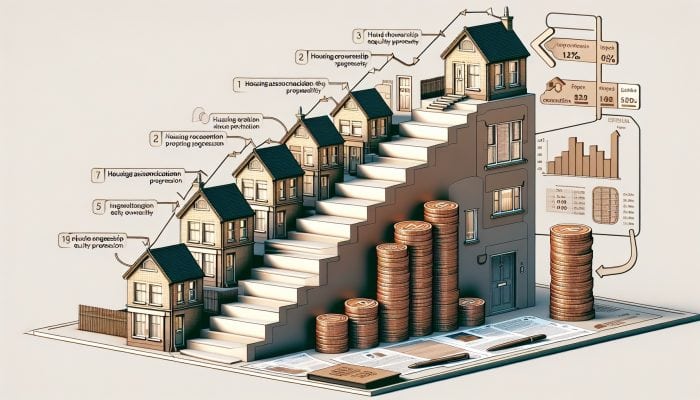
The staircasing process within the UK shared ownership framework enables homeowners to gradually increase their equity stake in a property. This incremental approach not only reduces the rental payments homeowners are liable for but also assists in building equity in their homes. Governed by housing associations, the staircasing process requires an independent property valuation to determine the current market value of the home and the costs associated with acquiring additional shares.
Homeowners typically pursue staircasing when they possess the financial means to purchase more equity, progressively moving closer to complete ownership. This process is particularly beneficial for first-time buyers in England and Wales, as it provides a clear pathway to owning their homes outright. A thorough understanding of the regulatory framework and associated staircasing costs is essential for homeowners, empowering them to make informed decisions that align with their long-term financial aspirations.
A Deep Dive into Debt Consolidation Strategies for Shared Ownership Properties
What Are the Essential Steps for Consolidating Debt on a Shared Ownership Home?
The process of consolidating debt on a shared ownership home typically encompasses several critical steps. The foremost action homeowners should take is to conduct a comprehensive assessment of their current financial situation, identifying all outstanding debts and prioritising those that require immediate attention. The next logical step involves exploring available options with UK lenders, focusing primarily on mortgage products specifically designed for shared ownership properties.
Homeowners can apply for debt consolidation loans that combine multiple debts into a single loan, simplifying monthly payments and potentially lowering interest rates. It is vital to compare interest rates and repayment plans across various lenders, paying close attention to terms tailored to shared ownership schemes such as Help to Buy. Ultimately, securing the appropriate loan can alleviate financial pressure and establish a more manageable repayment plan over time, granting homeowners greater peace of mind.
What Common Methods Exist for Debt Consolidation in Shared Ownership Scenarios?

Within the context of shared ownership, several effective methods are available for consolidating debt. One commonly adopted strategy is to remortgage with UK banks, enabling homeowners to refinance their existing mortgage while consolidating other debts into the new loan. This approach simplifies financial management by unifying multiple debts into a single loan, often leading to reduced monthly payments and a more streamlined financial landscape.
Another viable option involves securing a personal loan specifically for the purpose of debt consolidation. Many financial institutions provide competitive personal loan rates, granting homeowners the flexibility to swiftly pay off high-interest debts. Consolidation through remortgaging or personal loans not only supports effective financial management but also paves a clearer path to long-term financial stability in shared ownership scenarios.
What Benefits Arise from Utilizing Debt Consolidation for Shared Ownership Homes?
Utilising debt consolidation presents a multitude of benefits for homeowners engaged in the UK shared ownership market. One of the most significant advantages is the potential to greatly reduce monthly expenses. By merging multiple debts into a single loan, homeowners can often lower their interest rates, making it simpler to meet financial obligations punctually.
Moreover, an improved credit score represents another substantial benefit of debt consolidation. When debts are consolidated and effectively managed, homeowners frequently experience an enhancement in their credit scores. This improvement not only increases their eligibility for future loans but also enables them to secure better interest rates, fostering a positive financial cycle that enhances further stability. Consequently, debt consolidation emerges as an essential tool for shared ownership homeowners seeking to alleviate financial stress and bolster their overall credit profiles.
What Potential Drawbacks Should Homeowners Consider Regarding Debt Consolidation for Shared Ownership Properties?
While debt consolidation can act as a beneficial financial strategy, homeowners in shared ownership must remain vigilant regarding potential pitfalls. A significant risk is the likelihood of increased total interest costs over the long term. Homeowners may be attracted by appealing initial rates, yet failing to consider the overall cost of the loan can lead to considerable financial strain in the future.
Furthermore, consolidating debt might impact staircasing opportunities. Certain lenders could impose restrictions on how additional shares can be purchased following consolidation, potentially limiting homeowners' ability to increase their equity stake. Seeking guidance from UK financial advisers is essential for navigating these complexities and ensuring that homeowners make informed decisions that do not jeopardise their long-term financial objectives.
Expert Insights on Debt Consolidation for Shared Ownership Homes: Your Pathway to Financial Clarity
What Actionable Steps Can Homeowners Implement for Effective Debt Management?
Effective debt management is crucial for homeowners operating within the shared ownership framework, and several actionable steps can facilitate this process. Firstly, creating a comprehensive budget that outlines all sources of income and expenditures is essential. This budgeting exercise enables homeowners to visualise their financial landscape while making informed decisions regarding their financial commitments. It should comprehensively account for all debts and prioritise repayment schedules based on interest rates and urgency.
Secondly, maintaining open communication with lenders is vital. Homeowners should feel empowered to negotiate terms or explore alternative repayment options if they encounter difficulties meeting their obligations. For instance, a case study might depict a homeowner successfully negotiating lower interest rates by demonstrating a commitment to consistent payments, thereby averting potential defaults. Educating homeowners about their rights and available options empowers them to take control of their finances and avoid common pitfalls associated with managing shared ownership debts.
What Key Considerations Should Homeowners in the UK Be Aware Of?
Homeowners in the UK must consider various regulatory aspects before proceeding with debt consolidation. The laws governing shared ownership can significantly influence the available consolidation options, particularly concerning equity shares and property rights. For instance, some lenders may require the housing association’s consent before approving a consolidation loan, as this can affect the property’s ownership structure.
Moreover, homeowners should understand the implications for their existing mortgage agreements. Gaining clarity on the terms of their shared ownership agreements can help prevent unintended consequences, such as increased fees or penalties. By understanding these regulatory elements, homeowners can make informed decisions that align with their financial goals while safeguarding their rights within the shared ownership model.
What Long-Term Financial Planning Strategies Should Shared Ownership Homeowners Adopt?
Long-term financial planning is vital for homeowners engaged in shared ownership, particularly for those contemplating debt consolidation. One effective strategy is to view consolidation as a stepping stone towards enhanced financial health and increased equity through staircasing. By strategically planning repayment schedules and establishing achievable financial goals, homeowners can work towards owning a larger percentage of their property over time.
Incorporating sound budgeting strategies is crucial for maintaining financial health. Homeowners should regularly review their financial situations and adjust their budgets to reflect any changes in income or expenses. Establishing an emergency fund can also act as a financial safety net, providing stability in the event of unforeseen expenses. With careful planning and proactive financial management, shared ownership homeowners can improve their financial outlook and ultimately achieve full property ownership.
Research-Backed Advantages of Debt Consolidation on Shared Ownership Homes: Key Findings
How Can Debt Consolidation Effectively Lower Interest Rates for UK Properties?
Debt consolidation can substantially reduce interest rates for homeowners in shared ownership properties. Financial studies indicate that consolidating high-interest debts into a single loan frequently results in significantly lower rates. This is particularly beneficial for individuals burdened with multiple credit obligations, as consolidation allows homeowners to take advantage of the lower fixed rates generally offered by lenders for secured loans, such as mortgages.
By consolidating existing debts, homeowners can stabilise their monthly payments, avoiding the fluctuations that often arise from the variable interest rates associated with credit cards or personal loans. Lower interest rates translate into reduced overall repayment amounts, thereby significantly improving long-term financial health and alleviating the burden on shared ownership homeowners navigating a challenging market.
What Advantages Are Associated with Maintaining Property Equity?
Maintaining property equity is crucial for homeowners involved in shared ownership arrangements, as it directly influences their financial stability and future investment opportunities. Debt consolidation can play a significant role in preserving home value by allowing homeowners to concentrate on paying down principal rather than being overwhelmed by high-interest debt.
Research suggests that debt-reduction strategies tailored to shared ownership models can lead to enhanced property equity levels. For example, prioritising timely loan repayments can improve credit scores, facilitating better mortgage options for further staircasing. This proactive approach not only aids in maintaining property equity but also positions homeowners favourably for future financial endeavours, empowering them to make informed decisions regarding their properties.
What Potential Tax Implications Should Shared Ownership Homeowners Consider in the UK?
Consolidating debts may result in several fiscal advantages for shared ownership homeowners, particularly concerning potential tax relief. In the UK, certain interest payments on loans may be tax-deductible, depending on the specific type of debt being consolidated. For instance, if homeowners consolidate debts directly related to their shared ownership properties, they may qualify for tax relief on mortgage interest, contingent upon their individual circumstances.
Furthermore, homeowners should remain informed about how debt consolidation impacts their financial reporting and tax obligations. Understanding these implications is essential for maximising tax efficiency and ensuring compliance with UK tax regulations. Therefore, consulting with a financial adviser knowledgeable about the intricacies of shared ownership can provide tailored insights and strategies to optimise tax benefits during the consolidation process.
What Drawbacks Should Homeowners Consider When Evaluating Debt Consolidation?
Is Debt Consolidation Always the Right Choice for Shared Ownership Homeowners?
Debt consolidation is not universally the most appropriate solution for homeowners in shared ownership scenarios. While it can relieve immediate financial pressure, it may also prolong repayment periods, ultimately resulting in higher overall costs. For example, consolidating short-term debt into a longer-term loan can extend the repayment timeline, which may not be ideal for homeowners seeking prompt financial relief.
Moreover, consolidation may not address the underlying causes of financial difficulties, such as overspending or inadequate budgeting. Homeowners should carefully evaluate their financial situations, contemplating whether consolidation will genuinely contribute to their long-term financial goals or merely postpone the necessity for further financial planning.
How Might Fees Affect the Overall Costs of Debt Consolidation?
When considering debt consolidation, homeowners should be mindful of potential fees that could significantly impact overall costs. Many UK lenders impose charges for processing consolidation loans, which may encompass application, valuation, and early-repayment fees. These hidden expenses can accumulate rapidly, undermining the expected financial benefits of consolidation.
It is essential for homeowners to thoroughly compare lenders and their fee structures before making a decision. By carefully assessing the total costs associated with consolidating debt, homeowners can avoid unexpected financial burdens from hidden charges, ultimately securing a more advantageous deal that aligns with their financial objectives.
What Alternatives to Debt Consolidation Should Homeowners Explore for Debt Relief?
Homeowners in shared ownership contemplating alternatives to debt consolidation should investigate a variety of options tailored to their unique financial situations. Some viable alternatives include:
- <a href="https://limitsofstrategy.com/debt-consolidation-with-a-thin-credit-file-key-insights/">Debt Management Plans:</a> Structured repayment agreements with creditors that facilitate lower monthly payments.
- Individual Voluntary Arrangements (IVAs): Legally binding agreements that allow homeowners to repay a portion of their debts over time.
- Credit Counselling: Professional guidance on budgeting, financial planning, and negotiating with creditors to improve financial standing.
- Debt Relief Orders: An option for individuals with low income and limited assets to have their debts written off.
Exploring these alternatives can provide homeowners with a range of strategies to manage debt effectively, enabling them to select the most suitable course of action based on their individual circumstances and financial goals while ensuring long-term stability.
How Does Debt Consolidation Affect Credit Scores for Shared Ownership Homeowners?
Debt consolidation has a multifaceted impact on credit scores for homeowners in shared ownership. While it can enhance credit scores over time through consistent repayment of a single loan, initial consolidation efforts may temporarily lower scores due to hard credit inquiries and changes in payment history.
When homeowners consolidate, they might experience a slight decline in their scores as new accounts are opened and old debts are settled. However, establishing a robust repayment history on the new consolidated loan can counterbalance this initial dip. Homeowners should remain proactive in monitoring their credit scores and implementing strategies to rebuild their credit swiftly, ensuring that any negative impacts are minimised and do not hinder future borrowing opportunities.
Important Steps to Follow When Applying for Debt Consolidation in the UK
What Documentation Is Required for a Debt Consolidation Application?
When applying for debt consolidation through UK lenders, homeowners must prepare specific documentation to support their applications. Key paperwork includes proof of ownership, such as the shared ownership agreement and mortgage statements, which demonstrate the homeowner’s stake in the property. Furthermore, verifying income is crucial; this may involve providing payslips, tax returns, or bank statements to showcase financial stability and reliability.
Additionally, lenders may request detailed information about existing debts, including account statements and repayment histories. Compiling these documents in advance can streamline the application process, making it easier for homeowners to present a comprehensive financial picture to potential lenders, thereby increasing their chances of approval.
How Can Homeowners Choose the Right Lender for Debt Consolidation in the UK?
Choosing the appropriate lender for debt consolidation is a crucial step in securing favourable terms for shared ownership homeowners. Several factors should be considered when evaluating options, including the lender’s reputation, quality of customer service, and interest rates. Conducting thorough research through online reviews and seeking recommendations from trusted sources can provide valuable insights into the reliability and trustworthiness of potential lenders.
Moreover, it is essential to compare rates across various lenders, particularly focusing on those that specialise in shared ownership products. Some lenders may offer tailored financial products specifically designed to meet the needs of shared ownership homeowners, thereby providing terms that better accommodate their unique circumstances. By thoroughly assessing their options, homeowners can confidently select a lender that aligns with their financial needs and objectives.
What Considerations Should Homeowners Keep in Mind Post-Application for Debt Consolidation?
After submitting a debt consolidation application, homeowners should adopt prudent strategies to monitor their loans and maintain financial stability. Regularly reviewing loan terms and repayment schedules is essential to ensure that payments remain manageable and that homeowners stay on track to fulfil their obligations.
Additionally, maintaining open lines of communication with lenders can prove beneficial, especially if financial challenges arise. Homeowners should feel empowered to seek assistance or negotiate terms as needed. Establishing a consistent budgeting and expense-tracking habit post-consolidation can help preserve financial health, enabling homeowners to proactively address issues and stay focused on their long-term financial goals.
Frequently Asked Questions Regarding Shared Ownership and Debt Consolidation
What Is Shared Ownership?
Shared ownership allows buyers to purchase a percentage of a property while renting the remainder, providing a more affordable entry point into the housing market.
How Does Debt Consolidation Function?
Debt consolidation merges multiple debts into a single loan with a potentially lower interest rate, simplifying repayments and facilitating more effective financial management.
Can I Consolidate Debts if I Own a Shared Ownership Home?
Yes, homeowners with shared ownership properties can pursue debt consolidation through various financial products tailored to their unique situations, often involving remortgaging.
What Risks Are Associated with Debt Consolidation?
Potential risks include extending repayment periods, increasing total interest costs, and possibly impacting staircasing options for shared ownership homeowners if not managed carefully.
How Does Staircasing Function?
Staircasing enables shared ownership homeowners to buy additional shares in their property over time, thereby increasing their equity stake and reducing rent obligations.
Do I Need a Financial Adviser for Debt Consolidation?
While not mandatory, consulting a financial adviser can provide invaluable insights and help homeowners avoid common pitfalls associated with managing shared ownership debts.
What Documents Are Required for a Consolidation Application?
Essential documents include proof of ownership, income verification, and details of existing debts, ensuring lenders have a comprehensive view of your financial situation.
How Can I Identify the Best Lender for Consolidation?
Research lender reputations, compare interest rates, and consider those that specialise in shared ownership products to find the best fit for your financial needs.
Will Consolidating My Debts Impact My Credit Score?
Consolidating debts can temporarily lower your credit score due to hard inquiries, but it may improve over time with consistent repayments on the new loan.
What Alternatives Exist to Debt Consolidation?
Alternatives include debt management plans, IVAs, credit counselling, and debt relief orders, providing various strategies to effectively address financial challenges.
Connect with us on Facebook today!
This Article Was First Found On: https://www.debtconsolidationloans.co.uk
The Article Debt Consolidation Tips for Shared Ownership Homes Was Found On https://limitsofstrategy.com