Embark on a Journey Through the Captivating Portugal Alentejo Olive Route
Delve into the Cultural Importance of the Olive Route
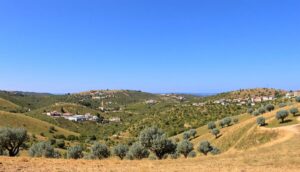
The Portugal Alentejo Olive Route offers an extraordinary cultural expedition that immerses travellers in the deep-rooted traditions of olive cultivation and oil production that have thrived for centuries. This enchanting route winds through the stunning landscapes of the Alentejo region, connecting visitors with local farms, devoted artisanal producers, and significant historical landmarks. It not only highlights age-old agricultural practices but also underscores the cultural significance of olive oil, a fundamental element of Mediterranean cuisine. Travellers will be captivated by the picturesque views of rolling hills adorned with ancient olive trees while engaging with passionate producers dedicated to preserving their heritage and craft.
At RentaCar24.org, we specialise in car rental services tailored to help travellers discover the hidden treasures of the Alentejo region and create unforgettable memories. Our offerings empower users to navigate this scenic route effortlessly, ensuring they fully immerse themselves in the local culture and heritage. By providing easy access to a variety of olive farms and historical sites, we enhance the overall travel experience, making every visit truly memorable.
This comprehensive guide will explore the essential elements of the Portugal Alentejo Olive Route, which include:
- Olive cultivation methods and practices
- Types of olives commonly grown in the region
- Health benefits of olive oil
- Economic impact on local communities
- Cultural heritage and tourism opportunities
How Are Olives Cultivated in the Alentejo Region?
Olive cultivation in the Alentejo region flourishes through traditional methods honed over generations. The journey commences with selecting land that boasts well-drained soils and ample sunlight, crucial for optimal growth. Farmers plant young olive trees, which require meticulous attention during their formative years to ensure robust development. Regular pruning is essential for fostering healthy growth and establishing sturdy branches that will support future fruit production, ultimately leading to a bountiful harvest.
As the trees mature, the emphasis shifts to sustainable agricultural practices that enhance yield while guaranteeing high-quality olives. Effective irrigation management is particularly vital during the arid summer months, as it directly influences tree health and the quality of the olives produced. Farmers often utilise organic fertilisers to enrich soil health and optimise growth. Integrated pest management strategies, which employ natural predators and organic treatments, help minimise chemical pesticide use, resulting in the production of flavourful olives cultivated in an environmentally conscious manner.
| Aspect | Details |
|---|---|
| Harvest Season | Late autumn to early winter |
| Harvesting Methods | Hand-picking and mechanical harvesters |
| Processing Method | Cold-pressing |
The harvest season is an exhilarating period for farmers, filled with activity and anticipation. The precise timing of the harvest is crucial, as the ripeness of the olives directly influences the quality of the oil produced. Following the harvest, olives are swiftly transported to mills for cold-pressing, a process that preserves their delicate flavours and beneficial properties, ensuring that the final product meets the highest quality standards.
What Types of Olives Are Commonly Grown in Alentejo?
The Alentejo region boasts a wide variety of olive cultivars, each contributing unique flavours to the olive oil produced. Among the most common varieties are the Cobrancosa, Galega, and Cordovil olives. The Cobrancosa variety is particularly renowned for its rich and robust flavour profile, frequently used in blends to produce complex and delightful olive oils.
Galega olives are known for their slightly fruity flavour, making them suitable for both table olives and oil production. This variety strikes a harmonious balance between taste and aroma, rendering it versatile for various culinary applications. The Cordovil olive is distinguished by its delicate flavour, often imparting a mild, buttery quality to the oil, which pairs exceptionally well with lighter dishes, thus enhancing the overall dining experience.
| Olive Variety | Flavor Profile | Common Uses |
|---|---|---|
| Cobrancosa | Rich and robust | Blends for complex oils |
| Galega | Slightly fruity | Table olives and oil |
| Cordovil | Mild and buttery | Salads and seafood |
In addition to these well-known varieties, the Alentejo region embraces the artisanal cultivation of lesser-known cultivars. Producers often experiment with blending different varieties to create unique flavour profiles that reflect the specific terroir of their orchards. This focus on local varieties not only enhances culinary richness but also actively supports biodiversity and sustainable agricultural practices.
Unveiling the Benefits of the Portugal Alentejo Olive Route
Understanding the Economic Impact on Local Communities
The olive industry is a foundational element of the economic framework of the Alentejo region, acting as a crucial source of income and employment for local communities. The cultivation and processing of olives generate numerous jobs across various sectors, including farming, processing, and distribution. Small-scale farmers often rely solely on the olive trade as their primary source of income, while larger producers significantly contribute to the regional economy by exporting high-quality olive oil to international markets.
The Portugal Alentejo Olive Route attracts a growing number of tourists eager to engage with the local culture, providing an additional economic uplift to the region. Visitors have the chance to explore olive farms, partake in tastings, and attend lively festivals celebrating the olive harvest. This influx of tourism directly supports olive producers and benefits local businesses, including restaurants, hotels, and artisanal shops, fostering a thriving and interconnected community.
- Job Creation: Numerous employment opportunities in farming and processing
- Tourism Boost: Increased visitor engagement with local culture
- Infrastructure Investment: Enhanced transportation and visitor facilities
The growth of the olive industry encourages substantial investment in infrastructure, creating new economic development opportunities. As the region becomes increasingly accessible, sustainable growth aligns with the values of local communities, ensuring a commitment to preserving their rich cultural heritage while adapting to modern economic demands.
What Are the Health Benefits Associated with Olive Oil?
Renowned for its myriad health benefits, olive oil—especially extra virgin olive oil—holds a prominent position within the Mediterranean diet. Rich in monounsaturated fats, this oil may assist in lowering levels of bad cholesterol while simultaneously boosting levels of good cholesterol. This beneficial effect can be attributed to the presence of compounds, such as oleic acid and various antioxidants, that promote cardiovascular health and overall well-being.
Beyond its cardiovascular advantages, olive oil is celebrated for its potent anti-inflammatory properties. Polyphenols found in olive oil, including oleocanthal, exhibit anti-inflammatory effects comparable to ibuprofen. This makes olive oil an excellent choice for individuals seeking natural remedies to combat inflammation and further support their overall health.
| Health Benefit | Details |
|---|---|
| Heart Health | Reduces bad cholesterol, increases good cholesterol |
| Anti-inflammatory | Contains polyphenols with anti-inflammatory effects |
| Chronic Disease Prevention | Reduces risk of type 2 diabetes and certain cancers |
Moreover, the regular consumption of olive oil has been linked to a reduced risk of chronic diseases. The antioxidants present in olive oil protect cells from oxidative stress, a significant contributing factor to many chronic health conditions. Incorporating high-quality olive oil into one’s diet can serve as a preventative measure, promoting longevity and enhancing quality of life.

Exploring the Environmental Benefits of Olive Cultivation
Olive cultivation offers a range of environmental benefits that extend well beyond agricultural output. Olive groves promote biodiversity, providing essential habitats for various species of flora and fauna. The dense canopies formed by olive trees create microclimates that support diverse ecosystems, ultimately enhancing the ecological health of the region.
Furthermore, olive cultivation contributes to sustainable land management practices. Traditional methods, such as dry farming, significantly decrease the need for irrigation, thereby helping to preserve precious water resources. The deep-rooted olive trees stabilise the soil, preventing erosion and promoting overall soil health, which is crucial for maintaining a balanced ecosystem.
- Biodiversity: Supports various species and ecosystems
- Sustainable Practices: Reduces irrigation needs and conserves water
- Carbon Sequestration: Trees absorb carbon dioxide, helping to mitigate climate change
Additionally, olive groves play a pivotal role in carbon sequestration, an increasingly important aspect as global interest in sustainable practices rises. The Alentejo olive industry is progressively adopting environmentally friendly farming methods, aligning with global efforts to promote ecological balance and sustainability.
Enhancing Cultural Heritage and Tourism via the Olive Route
The Portugal Alentejo Olive Route serves as a significant platform for enhancing cultural heritage and tourism. By showcasing traditional olive farming practices, the route celebrates the region’s agricultural history and fosters appreciation for local customs and gastronomy. Tourists are drawn to experience historic techniques of olive cultivation and oil production, often participating in hands-on activities that create a connection with the land and its people.
Olive-related festivals play a vital role in this cultural promotion, creating lively atmospheres that celebrate the harvest bounty. These events feature traditional music, dance, and culinary demonstrations, allowing visitors to immerse themselves in the region’s rich culture while enjoying a unique experience.
| Festival Name | Location | Highlights |
|---|---|---|
| Festa da Azeitona | Moura | Traditional music, dancing, olive-based dishes |
| Festa do Olival | Serpa | Olive oil tastings, cooking demonstrations |
| Festival do Azeite | Castro Verde | Local chefs, contests for best olive oil |
The cultivation of olives is deeply intertwined with local identity. The olive route serves as a storytelling platform that enriches visitors’ experiences. Travellers often depart with a profound understanding of the cultural significance of olives, establishing connections that transcend mere tourism, and fostering enduring memories.
Expert Insights on the Portugal Alentejo Olive Route
Effective Strategies for an Unforgettable Visit
To fully immerse yourself in the enchanting Portugal Alentejo Olive Route, consider these effective strategies designed to enhance your experience. Begin by conducting in-depth research on local producers to identify those that resonate with your interests, whether you prefer organic farming practices, traditional methods, or innovative oil production techniques. This knowledge will greatly enrich your appreciation during your visits.
Once you’ve identified the producers you wish to visit, schedule tastings ahead of time to sample a variety of oils and learn about their unique flavour profiles. Many producers offer guided tours that provide insights into their cultivation and production processes, making it a valuable opportunity for both education and enjoyment.
- Research local producers
- Schedule tastings in advance
- Participate in guided tours
In addition to tastings, explore historical sites along the route to deepen your understanding of the region’s agricultural heritage. Visit ancient olive mills and learn about the evolution of olive oil production through the centuries. Many of these locations are rich in history, providing fascinating context for your olive journey.
Lastly, embrace local cuisine by dining at restaurants that prioritise regional ingredients, including the olive oils you’ve tasted. This allows you to experience firsthand how Alentejo olive oil enhances traditional dishes, creating a cohesive culinary experience that celebrates the flavours of the region.
Experience the Vibrancy of Olive Festivals
Olive festivals along the Portugal Alentejo Olive Route are vibrant celebrations that highlight the significance of the olive harvest in local culture. A notable festival is the Festa da Azeitona in Moura, where locals gather to celebrate the olive harvest with traditional music, dancing, and a diverse array of olive-based dishes. Visitors can sample different varieties of olive oil, participate in interactive workshops, and enjoy the welcoming atmosphere that embodies the spirit of Alentejo.
Another significant event is the Festa do Olival in Serpa, which showcases local artisans and producers. This festival features olive oil tastings, cooking demonstrations, and discussions on the health benefits of olive oil. Guests often depart with a newfound appreciation for the craftsmanship involved in olive oil production and its essential role in promoting a healthy lifestyle.
- Festa da Azeitona: Moura
- Festa do Olival: Serpa
- Festival do Azeite: Castro Verde
These festivals not only celebrate the harvest but also serve as platforms for cultural exchange. Visitors from around the globe come to partake in the festivities, bringing diverse perspectives and enhancing the communal experience. Through these events, the cultural significance of olives is preserved, and the allure of the Alentejo region is showcased to an international audience.
Expert Analysis on Olive Oil Quality
When evaluating the quality of olive oil, several factors come into play, including taste, aroma, and production methods. High-quality olive oils are typically classified as extra virgin, derived from the first cold pressing of olives without the use of heat or chemicals. This careful method preserves the oil’s natural flavours and health benefits, ensuring a premium product.
Taste is a subjective yet crucial component of olive oil quality. A well-balanced oil typically exhibits a harmonious blend of fruitiness, bitterness, and pungency. The specific flavour profile can vary significantly depending on the olive variety and production techniques. For instance, oils extracted from robust varieties might have a strong peppery finish, while those from milder olives may present a softer, buttery taste.
| Quality Factor | Details |
|---|---|
| Taste | Balance of fruitiness, bitterness, and pungency |
| Aroma | Fresh, green notes reminiscent of ripe olives |
| Production Methods | Timing of harvest, speed of processing, storage conditions |
Aroma is equally important; high-quality olive oils should possess fresh, green notes that evoke the scent of ripe olives. Unpleasant odours, such as rancidity or mustiness, indicate inferior quality. Evaluating the aroma reveals much about the oil’s freshness and overall integrity.
Production methods play a significant role in determining olive oil quality. Factors such as the timing of the harvest, the speed of processing, and storage conditions greatly impact the final product. Regions like Alentejo, known for their dedication to traditional practices, often produce oils with superior taste and aroma, offering a rich, authentic experience that reflects the land and its heritage.
Delightful Culinary Pairings with Alentejo Olive Oil
To truly appreciate the unique qualities of Alentejo olive oil, explore its culinary pairings that enhance a wide variety of regional dishes. For a classic experience, drizzle high-quality olive oil over traditional Alentejano bread. The robust flavours of the oil beautifully complement the rustic, hearty bread, creating a simple yet delightful appetizer that showcases the best of local ingredients.
Another excellent pairing is with queijo de Azeitão, a rich, creamy cheese that hails from the region. The oil’s fruity notes balance the creaminess of the cheese, making it an ideal match for a sophisticated cheese platter. For a heartier option, consider pairing olive oil with grilled meats, such as lamb or pork, as the oil’s rich flavour elevates the dish while enhancing the grilling process and overall taste experience.
- Pair with Alentejano bread
- Complement queijo de Azeitão
- Enhance grilled meats
Olive oil is also perfect for drizzling over roasted vegetables, infusing flavour and healthy fats into each bite. When preparing salads, use the oil as a base for dressings, mixing it with fresh lemon juice, balsamic vinegar, or fragrant herbs. This allows the oil to shine while complementing other ingredients and enhancing the overall dish.
Don’t overlook the exciting potential for pairing olive oil with sweets. A drizzle of olive oil over vanilla ice cream creates an unexpected yet delightful dessert experience, as the oil’s nuances amplify the sweetness and introduce a new flavour dimension. By experimenting with these culinary pairings, you can fully explore the diverse and rich flavours that Alentejo olive oil offers.
How to Fully Experience the Olive Route
Engaging Activities to Enjoy Along the Route
Embarking on the Portugal Alentejo Olive Route presents a myriad of enriching activities that immerse visitors in the region’s olive culture. One of the most rewarding experiences is participating in guided tours of local olive groves. These tours provide invaluable insights into the cultivation process, traditional harvesting methods, and the intricate details of olive oil production. Engaging with knowledgeable guides enriches the experience, as they share personal stories and the historical context behind their farms.
Another highly recommended activity is joining olive oil tasting sessions, where you can sample various olive oil varieties and learn how to appreciate distinct flavours and aromas. These tastings often include food pairings that showcase how olive oil enhances a variety of dishes and ingredients. This experiential learning fosters a deeper appreciation for the nuances of high-quality olive oils and their culinary applications.
- Participate in guided tours
- Join olive oil tasting sessions
- Take cooking classes focused on local recipes
Cooking classes are also an exceptional way to delve deeper into the culinary applications of olive oil. Many local chefs offer classes that focus on traditional Alentejo recipes, allowing participants to understand how olive oil plays a central role in regional cooking. By preparing dishes with local ingredients and oils, you will gain hands-on experience that connects you to the culture and culinary heritage of the region.
Finally, consider exploring historical sites related to olive oil production. Many towns along the route boast ancient mills and museums dedicated to the history of olive cultivation, providing context that enhances your understanding of the importance of olives in local culture, thereby making your journey even more meaningful.
What Essential Information Should You Know Before Travelling?
Before embarking on your adventure along the Portugal Alentejo Olive Route, several essential considerations can enhance your travel experience. Begin by familiarising yourself with local customs and etiquette, as understanding cultural norms can significantly enrich your interactions with the locals. For instance, greeting people warmly and showing genuine appreciation for their traditions can help establish rapport, ensuring your visits are enjoyable and memorable.
Additionally, consider the best times to visit the olive route. The olive harvest typically occurs between late autumn and early winter, offering unique opportunities to witness the harvesting process and participate in related festivities. Planning your trip around these events can significantly enhance your overall experience.
- Familiarise with local customs
- Plan visits during the harvest season
- Engage with locals to enrich your experience
Lastly, ensure you have reliable transportation to comfortably navigate the route. Renting a car from RentaCar24.org allows you to explore at your own pace, ensuring you don’t miss any of the hidden gems along the way, while providing the freedom to immerse yourself in the stunning scenery and cultural richness of the Alentejo region.
The Article: Olive Heritage: Explore the Alentejo Olive Route in Portugal appeared first on https://rentacar24.org/
The Article Olive Route: Discover Alentejo’s Olive Heritage in Portugal Was Found On https://limitsofstrategy.com