Explore Inexpensive Wellness Programmes Accessible Across the UK
What Types of Wellness Programmes Can You Join for Better Health?
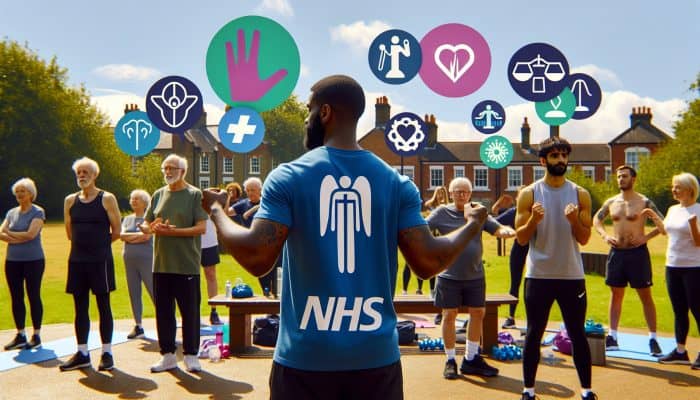
Throughout the UK, there exists a vast selection of affordable wellness programmes designed to significantly enhance community health, primarily supported by government initiatives. These valuable schemes include community health projects that offer free or low-cost fitness sessions and essential mental health support tailored to diverse demographics. Collaborations with the <a href="https://limitsofstrategy.com/battlefield-acupuncture-nhs-endorsed-quick-relief-solution/">NHS</a> have played a pivotal role in ensuring these programmes effectively connect with those in need, making health resources more readily available.
One notable example is the NHS's ‘Social Prescribing’ initiative, which allows general practitioners to refer patients to local community resources, including exercise sessions and mental health support groups. This comprehensive approach prioritises holistic well-being, facilitating pathways towards improved health outcomes through active community participation, thereby ensuring that fitness and mental health resources are accessible to everyone.
Essential Features of Popular Wellness Programmes in the UK
The wellness programmes available in the UK focus on integrating local resources, making health and wellness not only achievable but also sustainable, especially for families facing financial constraints. Numerous councils oversee affordable gyms and community centres, providing fitness classes at minimal charges. Furthermore, the growth of online resources, including mobile applications and dedicated websites, has expanded access to virtual classes and wellness resources, making it easier for individuals to engage.
This emphasis on local resources ensures that participants can discover support within their own communities, nurturing a sense of belonging and motivation. Additionally, these programmes are specifically designed to meet local needs and preferences, guaranteeing that wellness initiatives resonate effectively with the populations they are intended to serve. Sustainability remains a core principle; many initiatives enlist community volunteers to help keep costs down while maximising engagement.
Significant Benefits for Participants in Wellness Programmes
Individuals participating in UK wellness programmes enjoy a myriad of benefits, particularly in terms of stress reduction and improved mental health. Activities such as organised walking groups in public parks offer opportunities for social interaction and physical exercise, both of which align with public health recommendations that advocate for regular activity to enhance overall quality of life. These groups not only strengthen community bonds but also promote mental well-being.
Moreover, taking part in these structured activities helps to alleviate the cycle of isolation that many individuals encounter, especially in urban environments. The positive impacts on overall quality of life are substantial; participants frequently report heightened happiness and lower stress levels. As individuals increase their activity levels, they not only enhance their physical health but also cultivate a supportive network, making affordable wellness programmes crucial for advancing public health.
What Are the Eligibility Criteria and Access Requirements for Programmes?

Eligibility for affordable wellness programmes in the UK can vary; however, it generally includes criteria based on income levels. Many initiatives aim for inclusivity, allowing individuals from diverse socioeconomic backgrounds to access these essential services. The registration process is usually straightforward and can often be completed through local councils or NHS health centres.
Individuals interested in joining should confirm the specific requirements of each programme, as some may necessitate proof of income or residency. Numerous council websites provide detailed information on available programmes and the application procedures, ensuring that potential participants can easily navigate their options. This commitment to accessibility guarantees that wellness initiatives are available to everyone, irrespective of their financial circumstances.
What Barriers to Participation Exist and How Can They Be Overcome?
Common barriers, such as transportation challenges and limited awareness, can impede access to affordable wellness programmes in the UK. Many individuals from low-income backgrounds may struggle to reach fitness facilities or community classes. To tackle these issues, solutions like mobile applications and community outreach initiatives are being introduced.
Mobile wellness units that travel to underserved areas can deliver essential resources directly to individuals in need, while community workshops raise awareness of available programmes. This proactive approach enhances engagement and inclusivity, ensuring that traditionally underrepresented populations are included in community health efforts. By directly addressing these barriers, the UK is making significant progress towards creating a more inclusive health landscape.
How to Easily Access Affordable Wellness Programmes
Where Can I Locate These Wellness Options?

In the UK, individuals can uncover affordable wellness programmes through local authority websites and health centres. These platforms typically offer comprehensive directories of available programmes, including details on subsidy eligibility criteria, which can significantly reduce costs for participants.
Many councils also maintain dedicated health and well-being departments that assist users in navigating these resources effectively. By exploring these websites, individuals can discover programmes such as fitness classes, mental health workshops, and community events specifically designed to enhance overall well-being. This empowers individuals to take proactive steps towards better health.
What Common Eligibility Criteria Should Be Considered?
Eligibility for affordable wellness programmes in the UK is typically determined by devolved governments, with criteria that include income thresholds dictating access to subsidised services. Many of these programmes strive for inclusivity across various demographics, allowing not only low-income families but also individuals receiving specific benefits to participate.
The application process generally involves completing forms that detail personal circumstances, enabling programmes to tailor their services effectively to community needs. By maintaining transparency and accessibility regarding these criteria, local councils promote a more inclusive approach, engaging a broader audience in wellness initiatives.
What Effective Tips Can Help You Get Started with Wellness Programmes?
Joining affordable wellness initiatives in the UK can be a seamless experience, especially with the availability of supportive resources. Free applications from public health authorities provide an excellent starting point, aiding individuals in cultivating habits that boost physical and mental health. These applications often feature tools such as workout trackers, guided meditations, and community forums.
- Conduct thorough online research to discover local wellness programmes.
- Verify eligibility criteria and apply via local council websites.
- Download relevant health applications for guidance and motivation.
- Engage in local community events to build connections.
- Begin with accessible activities like walking or yoga classes.
- Utilise NHS resources for additional support and information.
- Set achievable wellness goals to monitor your progress.
- Connect with community centres for ongoing support.
By implementing these strategies, individuals can embark on a fulfilling journey towards improved health, fostering a sense of achievement and community involvement.
Insights from Experts on Affordable Wellness Programmes
What Strategies Can Boost Participation in Wellness Programmes?
Expert strategies for increasing participation in affordable wellness programmes within the UK often focus on integrating these initiatives with workplace wellness schemes. Collaborating with employers can significantly enhance engagement and provide employees with actionable steps for effective health management.
For instance, initiatives offering fitness classes or wellness challenges at the workplace motivate employees to participate and access these resources conveniently at work. This not only elevates participation rates but also cultivates a culture of health within organisations, creating an environment where well-being is prioritised.
Community partnerships are essential in enhancing resources available to local wellness programmes. By leveraging relationships with local businesses and charities, programmes can develop tailored offerings that address specific community needs, thereby driving higher participation levels.
What Research-Backed Implementation Strategies Are Effective?
Real-world examples from UK studies illustrate successful community pilots that have effectively engaged local populations in wellness initiatives. Research indicates that programmes combining physical activity with social support achieve higher participation rates. By offering structured activities that also focus on building community, individuals are more likely to engage consistently.
Expert recommendations advocate for scaling these successful models to wider audiences while addressing barriers such as transportation and accessibility. Implementing community feedback mechanisms further helps refine these programmes, ensuring they continuously meet participants' evolving needs and respond to the challenges they encounter.
What Long-Term Recommendations Do Health Experts Propose?
Long-term recommendations from UK health experts emphasise the necessity of sustaining wellness programmes through advocacy and active community involvement. Ongoing funding and support at the local government level are critical for maintaining these initiatives, especially during budget cuts.
Engaging community stakeholders—including local businesses, schools, and charities—can create a robust support system that fortifies these programmes. By fostering a health-oriented culture where community members actively participate in wellness initiatives, the long-term viability of affordable wellness programmes can be substantially enhanced.
Research-Driven Advantages of Affordable Wellness Programs
How Do These Programmes Positively Influence Mental Health?
In the UK, evidence from national surveys shows that affordable wellness programmes significantly enhance mental health. Accessible activities, such as community yoga sessions, have been shown to substantially lower anxiety levels among participants, greatly improving their overall well-being.
These programmes often create safe and supportive environments where individuals can engage in physical activity while connecting with peers who share similar goals. The therapeutic benefits of yoga, combined with the social aspects of group classes, create a holistic approach to mental health that is both effective and empowering for participants.
What Physical Health Benefits Are Associated with Participation in Wellness Programmes?
Data from the UK indicates that programmes offering free swimming lessons have contributed to decreased obesity rates among both children and adults. Such initiatives not only facilitate access to physical activity but also encourage families to incorporate exercise into their daily lives, promoting healthier lifestyles over time.
- Increased levels of physical activity.
- Decreased body mass index (BMI) among participants.
- Improved cardiovascular health outcomes.
- Enhanced overall physical fitness.
- Lowered cholesterol levels.
- Boosted energy levels and vitality.
- Reduced incidence of lifestyle-related diseases.
- Strengthened community ties through group activities.
By embedding these programmes in community settings, residents are more likely to engage, creating a ripple effect that positively influences public health.
What Social Benefits Do Communities Gain from Wellness Initiatives?
Case studies from the UK reveal that structured wellness events, such as community fitness classes or group walks, foster connections among participants. These activities help combat social isolation, particularly among vulnerable groups like older adults and newcomers to an area.
Research supports the notion that social interaction during these events can enhance mental health outcomes, as participants often form friendships and support networks. This interconnectedness not only improves individual well-being but also fortifies community resilience, making affordable wellness programmes an essential component of social health.
What Challenges Do Affordable Wellness Programmes Face?
How Do Funding Challenges Impact Program Availability?
In the UK, funding issues pose significant barriers to the availability and sustainability of affordable wellness programmes. Budget reductions at local councils frequently lead to a decline in service offerings, limiting the reach of these vital health initiatives.
Programs reliant on government funding must navigate these financial challenges while continuing to serve their communities effectively. Strategies to overcome these obstacles include pursuing alternative funding sources, such as collaborations with local businesses or applying for health-promotion grants. Ensuring continued access to essential programmes requires innovative thinking and community involvement.
What Participation Barriers Exist for Specific Groups?
In the UK, participation barriers can disproportionately affect certain groups, particularly in rural regions where access to services may be limited. Individuals living in isolated communities may struggle to access wellness programmes, perpetuating existing health disparities.
To address these challenges, targeted initiatives are crucial. Mobile wellness units can deliver services directly to underserved areas, ensuring residents have access to necessary support. Additionally, flexible scheduling and virtual options can further enhance participation, making wellness initiatives more inclusive.
What Solutions Are Available to Overcome Participation Obstacles?
Adaptive measures in the UK are essential to ensure that affordable wellness programmes remain viable despite economic pressures. Mobile wellness units represent an innovative solution, bringing fitness and health services directly to communities that would otherwise lack access.
Moreover, forging partnerships with local organisations can enhance resource availability and create tailored offerings that resonate with the diverse needs of various populations. By fostering collaboration, programmes can address specific barriers and ensure wellness opportunities are accessible to everyone, regardless of their circumstances.
What Does the Future Hold for Affordable Wellness Programmes in the UK?
What Emerging Trends Should We Be Aware Of?
In the UK, emerging trends in affordable wellness programmes include the development of digital tools and hybrid models that could broaden service offerings. As technology advances, programmes increasingly integrate virtual components, enabling greater flexibility and inclusivity.
These innovations can lead to personalised experiences, allowing participants to engage with programmes at their own pace and convenience. For example, online fitness classes and mental health resources can be accessed remotely, ensuring that individuals with mobility issues or tight schedules can still participate.
What Potential Expansions in Service Scope Are Foreseen?
As UK policies evolve, there is potential for more integrated workplace wellness initiatives to emerge. This shift could enhance programme effectiveness by reaching a wider audience and encouraging employers to actively support their employees' well-being.
Embedding wellness programmes into workplace culture can establish healthier environments that not only boost employee satisfaction but also contribute to overall public health. The potential for expansion is significant, fostering a more comprehensive approach to health.
How Will Long-Term Success of Wellness Initiatives Be Measured?
To evaluate the long-term success of affordable wellness programmes in the UK, various metrics are utilised, including user feedback and health statistics. Collecting both qualitative and quantitative data allows organisations to assess the effectiveness of their initiatives and ensure they adequately meet community needs.
Regular assessments enable programmes to adapt and continuously improve, helping to maintain participant engagement and optimise health outcomes. By emphasising the importance of metrics, UK wellness programmes can keep evolving and provide meaningful support to their communities.
What Challenges Will Be Faced in Maintaining Affordability?
Challenges such as economic pressures and policy shifts threaten the affordability of wellness programmes in the UK. Budget constraints may limit available resources, making it difficult for councils to sustain service offerings.
Strategic solutions like subsidies, cost-sharing arrangements, and community fundraising initiatives can help ensure these programmes remain accessible. By exploring various funding avenues, wellness initiatives can continue to effectively serve their communities, even amidst challenging economic conditions.
How Do Partnerships and Collaborations Enhance Wellness Programmes?
Collaborative efforts among government entities, businesses, and charities in the UK can drive innovation in affordable wellness programmes. These partnerships can expand access and resources, particularly for underserved communities facing barriers to participation.
By pooling resources and expertise, these collaborations can create more effective initiatives that align with diverse community needs. This cooperative approach not only enhances the sustainability of wellness programmes but also fosters a culture of shared responsibility for public health.
Frequently Asked Questions About Affordable Wellness Programmes
What Are Affordable Wellness Programmes and Their Purpose?
Affordable wellness programmes are health initiatives designed to promote physical and mental well-being, often subsidised or provided at low costs to ensure accessibility for all, especially for low-income individuals and families.
How Can I Discover Affordable Wellness Programmes in the UK?
You can find affordable wellness programmes in the UK by exploring local council websites, NHS health centres, and community bulletins that provide valuable information on available services and eligibility criteria.
What Types of Activities Are Offered Through These Programmes?
Activities may encompass fitness classes, walking groups, mental health workshops, nutritional education, and community events, all tailored to promote health and well-being in a supportive environment.
Who Is Eligible for Affordable Wellness Programmes?
Eligibility often depends on income levels, residency, and local criteria established by councils or health authorities, with many programmes designed to be inclusive across various demographics.
Are There Any Costs Associated with These Programmes?
While many affordable wellness programmes are free or low-cost, some may have nominal fees to cover expenses. It is essential to verify specific programmes for detailed pricing information.
How Do These Programmes Positively Impact Mental Health?
Affordable wellness programmes positively influence mental health by offering structured activities that alleviate anxiety and foster community connections, thereby enhancing overall emotional well-being.
Can Individuals Living in Rural Areas Access These Programmes?
Yes, many programmes are designed to reach rural populations, sometimes through mobile wellness units or virtual options, ensuring accessibility even in remote regions.
What Role Do Local Councils Play in Wellness Programmes?
Local councils typically play a vital role by funding, organising, and promoting affordable wellness programmes within their communities, ensuring that services effectively address local health needs.
How Can I Stay Motivated to Join Wellness Programmes?
Maintaining motivation can be facilitated by setting personal health goals, participating in community events, and engaging with support groups that share your wellness journey.
Are There Long-Term Benefits to Participating in Wellness Programmes?
Absolutely, long-term benefits can include improved physical health, reduced stress, enhanced social connections, and greater overall well-being, contributing to a healthier, happier lifestyle.
Connect with us on Facebook!
The article Affordable Wellness Programmes: Enhancing Health Access for All was first published on https://acupuncture-frome.co.uk
The Article Affordable Wellness Programmes for Improved Health Access Was Found On https://limitsofstrategy.com