Living on a sloping block not only offers stunning views but also introduces notable drainage complications. Inadequate drainage management can result in water cascading off your property, leading to serious erosion or accumulation of water around your premises, which can inflict extensive damage. Thus, implementing robust drainage systems is paramount to safeguarding your property from these common and pressing concerns.
In Wollongong and the surrounding Illawarra region, numerous homeowners face drainage problems due to various factors, including the area’s clay-rich soils, frequent heavy rainfall, and outdated drainage systems that are ill-equipped to handle the current volume of runoff. These factors significantly contribute to the drainage issues often observed in sloped terrains.
Gaining insights into water behaviour on a sloping site is vital for averting flooding, soil displacement, and potential long-term structural problems. By employing effective drainage solutions, you can protect your property and ensure its longevity, thereby safeguarding your investment.
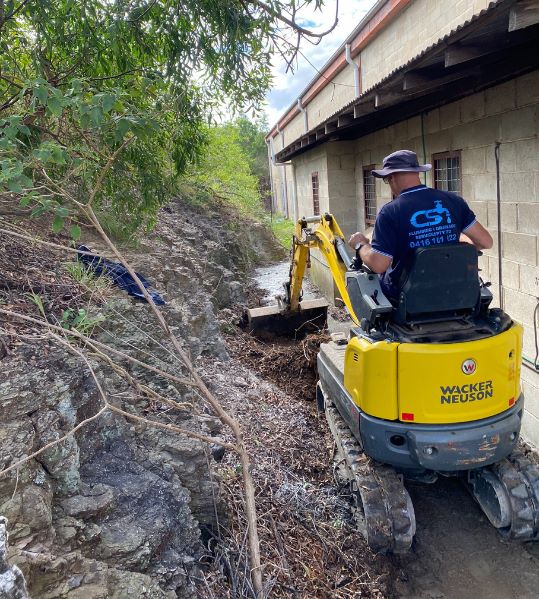
What Are the Main Factors Contributing to Drainage Problems on Sloping Properties?
On sloping properties, the absorption of water into the ground is highly uneven. Water flows downhill at an accelerated rate, increasing both its speed and volume. Without proper drainage management, this can lead to significant issues such as:
- Water rushing towards building foundations, jeopardising structural integrity
- Soil erosion and washouts that can severely disrupt landscaping efforts
- Undermined retaining walls that could potentially collapse
- Water pooling in garages or lower levels, leading to extensive damages
- Water draining onto neighbouring properties, resulting in disputes and conflicts
Whether the drainage issue originates from above or below your residence, uncontrolled runoff rapidly becomes a risk that can adversely affect not only your property but also those around you.
How Can You Detect When Water Intrudes into Your Property?
Properties situated at lower elevations often suffer the most significant damage. Water from higher grounds naturally cascades down to the lowest points, and without an effective interception system in place, it tends to accumulate around slabs, foundations, and landscaped areas, leading to potential water damage and degradation.
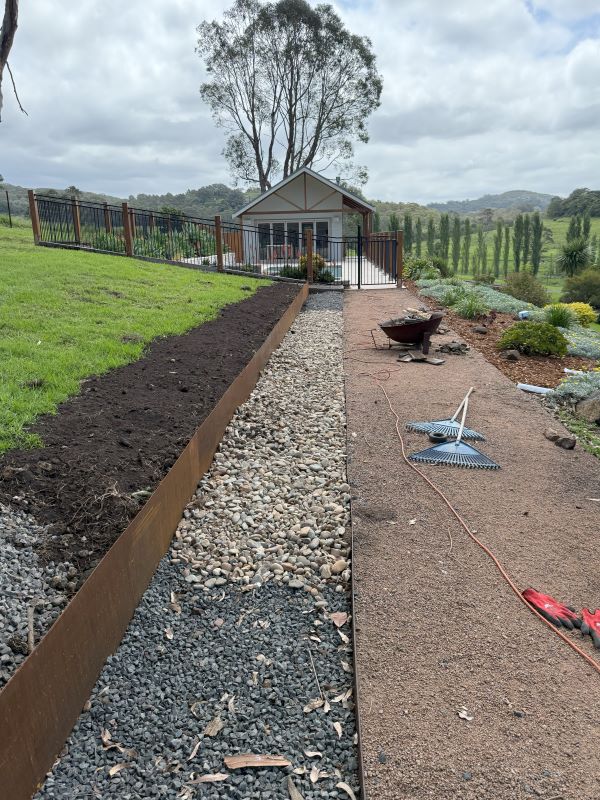
What Are the Common Signs Indicating Water Intrusion?
- Pooling water after rainfall along fences or retaining walls
- Saturated lawns at the lower end of the property
- Damp subfloors or musty odours within the home, indicating moisture issues
- Water staining or rising damp near external walls, signalling potential moisture problems
What Effective Solutions Can Help Prevent Incoming Water?
- French drains to intercept groundwater effectively before it reaches critical structures
- Subsurface drainage systems installed behind retaining walls to alleviate excess pressure
- <a href="https://limitsofstrategy.com/stormwater-drain-solutions-causes-in-wollongong/">Stormwater pits and pipes</a> designed to efficiently capture and redirect surface runoff
- Proper grading techniques employed to channel water away from the building footprint, preventing water accumulation
These drainage systems work cohesively to address water infiltration before it escalates into a flooding crisis, thus ensuring the safety and integrity of your property.
What Are the Implications When Water Flows Off Your Block?
Homes positioned higher on a slope encounter a distinct set of challenges. Allowing water to flow unchecked from your property can result in soil erosion, damage to landscaping, and complications for neighbouring properties, potentially leading to disputes and legal ramifications.
In New South Wales, property owners are obligated to manage stormwater runoff in a manner that does not adversely affect adjacent land or structures.
Always consult with your local council if you encounter issues related to stormwater runoff.
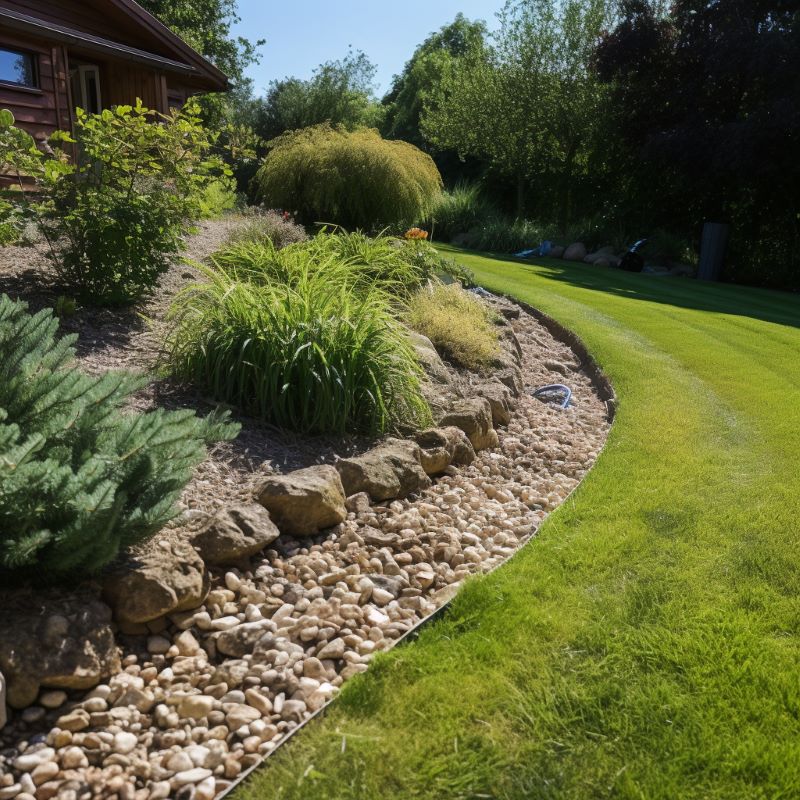
What Are the Key Indicators of Runoff Issues?
- Washed-out garden beds or exposed tree roots, indicating severe erosion
- Erosion occurring near pathways, stairs, or driveways, creating safety hazards
- Water discharging directly onto neighbouring properties, potentially resulting in disputes
- Channels forming in the soil following heavy rainfalls, signalling inadequate drainage
What Are the Proven Solutions to Manage Outgoing Water?
- Stormwater drainage systems that connect to approved discharge points
- Channel and trench drains strategically installed across driveways and paths to redirect water
- Soakwells placed in appropriate sandy soils to slow and disperse excess water effectively
- Energy-dissipating outlets to minimise erosion at discharge points
The primary objective is to regulate the speed and volume of water before it exits your site, ensuring minimal impact on the surrounding environment and maintaining the integrity of your landscape.
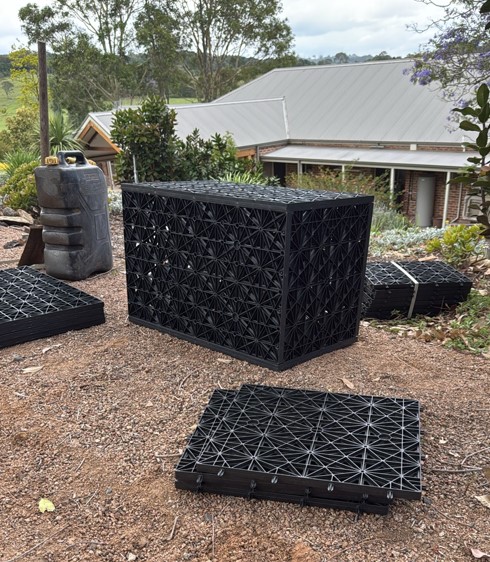
How to Effectively Manage Water on Steep or Split-Level Blocks
A significant number of residences in Wollongong are situated on steep or split-level blocks, which can introduce a plethora of drainage challenges. Water may flow from elevated areas and exit through lower points, resulting in intricate drainage patterns that necessitate meticulous planning and execution.
In such scenarios, the most effective remedy is a layered drainage system, which may encompass:
- Surface drainage systems to adequately manage visible runoff
- French drains installed to manage groundwater effectively
- Stormwater pipes specifically designed for roof and hardstand areas
- Controlled discharge points that adhere to council regulations
This multi-faceted approach prevents overloading any single component of the drainage system, ensuring efficient water management overall and reducing the risk of flooding.
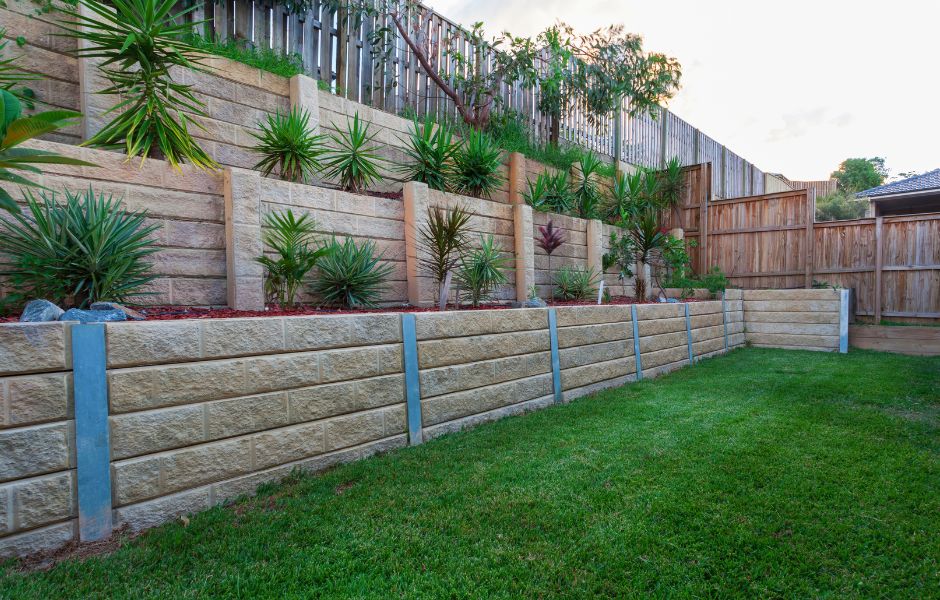
Why Do DIY Drainage Solutions Frequently Fail on Sloping Sites?
Sloping blocks can amplify the repercussions of mistakes made during DIY drainage projects. Common errors include:
- Installing drains without adequate fall, thereby undermining their efficacy
- Discharging water onto already saturated ground, worsening existing problems
- Utilising undersized pipes that lack the capacity to handle heavy rainfall
- Overlooking the influence of neighbouring properties on water flow dynamics
Such mistakes often result in persistent flooding and costly remedial work that could have been averted with proper planning and professional expertise.
Why Is Professional Drainage Design Crucial for Success?
To ensure effective drainage on sloping blocks, it is vital to consider:
- A comprehensive understanding of soil behaviour in relation to water flow
- Accurate calculation of runoff volume for proper management
- Designing safe and effective discharge points
- Seamless integration with existing stormwater systems for optimal performance
- Compliance with NSW plumbing and council regulations to ensure adherence to legal standards
A professional drainage assessment guarantees that water is managed safely, legally, and in a manner that provides long-term solutions to drainage challenges, thus protecting your investment.
What Are the Essential Considerations for Effective Sloping Block Drainage?
Water naturally follows the path of least resistance, meaning that on a sloping block, drainage problems are unlikely to resolve themselves; rather, they typically exacerbate over time. Whether water is encroaching upon your property or flowing away from it, a well-designed drainage system is crucial for safeguarding your home, landscaping, and overall investment.
If you are contending with pooling water, erosion, or flooding issues on a sloping site, addressing these challenges swiftly is vital to prevent significant damage and ongoing frustration. Timely intervention is essential for preserving the integrity of your property and ensuring its longevity.
Your Comprehensive Guide to Effective Sloping Block Drainage Solutions
1. Is it common for water to flow downhill onto my property?
Yes, it is a natural phenomenon for water to follow the force of gravity. In New South Wales, it is frequent for properties located on lower ground to receive runoff from higher elevations. Problems generally emerge when the flow of water has been altered, concentrated, or redirected by drainage installations, paving, or landscaping modifications.
2. Who holds responsibility for stormwater management on a sloping block?
Homeowners typically bear the responsibility for managing stormwater on their own premises. This encompasses ensuring that water is collected and discharged in a manner that does not inflict damage to neighbouring lands or structures. For further information, visit the Wollongong council’s website.
3. What actions should I take if water from my property flows into my neighbour’s yard?
If stormwater has been redirected or concentrated due to changes such as downpipes, paving, or drainage adjustments, it may necessitate management or rectification. Implementing appropriate drainage systems, including stormwater pipes, channel drains, or soakwells, can effectively mitigate runoff issues and potential disputes with neighbours.
4. Which drainage solutions are most effective for sloping blocks?
The most proficient drainage systems typically incorporate a combination of multiple elements, such as stormwater drainage for roof runoff, channel drains for surface water, and French drains for groundwater management. The optimal solution varies based on several factors, including soil type, slope degree, and water behaviour during and after rainfall events.
5. Can inadequate drainage on a slope result in structural damage?
Yes, uncontrolled water flow can undermine foundations, trigger soil movement, and exert excessive pressure on retaining walls. Over time, this can lead to cracking, subsidence, or water ingress into lower levels of your home, culminating in serious structural problems.
6. Should I tackle sloping block drainage issues immediately or allow them to worsen?
Drainage challenges on sloping properties rarely improve independently. Addressing these issues promptly is crucial to avert erosion, flooding, and expensive repairs. A professional drainage assessment can assist in identifying the root cause and providing a sustainable solution rather than just a temporary fix.
Sloping Block Drainage: How to Control Water Running On or Off Your Property
The Article: Sloping Block Drainage: How to Control Water Running On or Off Your Property first appeared on https://writebuff.com
The Article Sloping Block Drainage: Manage Water Flow on Your Property Was Found On https://limitsofstrategy.com