Comprehensive Strategies for Safeguarding Your Hair Against Environmental Damage
What Are the Key Factors Contributing to Environmental Hair Damage and How Can You Combat Them?
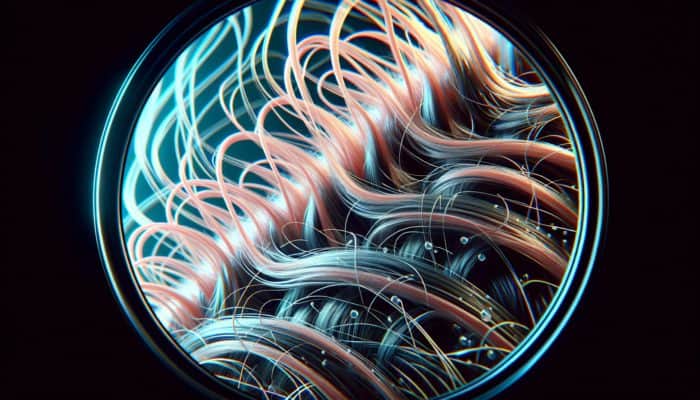
Gaining a thorough understanding of the effects of environmental stress on your hair is essential for ensuring its ongoing health and vitality. Numerous factors contribute to environmental damage, including pollution, UV rays, humidity, and extreme weather conditions. Such elements can lead to significant issues, including dryness, breakage, and a lacklustre appearance marked by diminished shine. By recognising these threats, you can formulate effective strategies to counteract their damaging effects and maintain the beauty of your hair.
- Pollution
- UV rays
- Humidity
- Extreme temperatures
- Chlorine and saltwater
- Harsh winds
- Indoor heating and air conditioning
- Product buildup
The aforementioned environmental factors can gradually undermine the natural structure of your hair. For instance, pollution leaves harmful toxins on both the hair and scalp, leading to irritation and potential long-term damage. Moreover, UV rays can disrupt the protein structure of hair, resulting in brittleness and fading of colour. Humidity is notorious for altering hair texture, causing it to swell and become frizzy, which can drastically impact both the behaviour and appearance of your hair. Consequently, acknowledging and tackling these environmental challenges is paramount for preserving vibrant and healthy hair.
Exploring the Impact of Pollution on Hair Health: What Risks Should You Be Aware Of?
The detrimental effects of pollution on hair health are profound and deserve serious consideration. Pollutants such as dust, smoke, and chemical residues cling to hair strands and the scalp, forming a layer of grime that irritates the skin and weakens hair follicles. Over time, persistent exposure can lead to various problems, including compromised hair structure, heightened breakage, and scalp issues such as dandruff or dermatitis. Acknowledging these risks is fundamental for implementing effective protective strategies.
Furthermore, toxins present in polluted environments can upset the scalp’s natural oil balance, resulting in either greasy or dry hair, both of which can adversely affect overall hair health. Regular exposure to these harmful elements can leave hair looking dull and lifeless. Thus, adopting effective protective measures against environmental stressors is vital to preserving your hair’s natural vitality and health.
How Do UV Rays Compromise Hair Structure and What Protective Measures Can You Adopt?
While UV rays play a crucial role in synthesising vitamin D in our bodies, they also pose a serious threat to hair health. These rays penetrate the hair shaft, breaking down the proteins fundamental to its structure. This damage can lead to brittleness, making hair more susceptible to breakage and split ends. Moreover, prolonged exposure to UV rays can cause color fading, especially for dyed or highlighted hair, ultimately reducing its vibrancy and aesthetic appeal.
The effects of UV exposure extend beyond mere superficial changes; it alters the internal makeup of hair, weakening it from the inside out. This deterioration can be exacerbated by neglecting protective measures, such as using UV-filtered hair products or wearing hats when outdoors. Establishing a routine that includes UV protection is vital for maintaining hair health, particularly for those residing in sunny climates or spending considerable time outdoors.
How Can You Effectively Manage Humidity’s Impact on Hair Texture and Frizz?

High humidity can significantly disrupt hair texture, intensifying frizz and complicating styling efforts. When humidity levels rise, hair absorbs moisture from the surrounding atmosphere, causing the hair shaft to swell. This swelling disrupts the smooth cuticle layer, leading to frizzy, unmanageable hair that can be exasperating to style, often leaving individuals dissatisfied with their hair’s appearance.
In addition to amplifying frizz, humidity can adversely affect the overall look of hair, making it seem limp and lifeless. For those with naturally curly or textured hair, humidity might enhance volume while simultaneously creating unruly curls that are difficult to control. To counteract the adverse effects of humidity, selecting the right hair care products is essential. Look for anti-frizz serums or humidity-resistant sprays that provide a protective shield against moisture, enabling you to maintain a sleek and polished appearance, even in challenging weather conditions.
Proven Techniques for Protecting Your Hair from Environmental Stressors
What Are the Most Effective Methods for Hair Protection Against Environmental Factors?
To successfully shield your hair from environmental stress, experts advocate for a holistic approach that integrates protective products with thoughtful lifestyle adjustments. An effective hair care routine should encompass a range of products specifically designed to defend against environmental elements. For instance, leave-in conditioners and hair oils can assist in locking in moisture while simultaneously creating a protective barrier against harsh weather conditions.
In practical terms, a robust routine might include applying a UV-protective spray prior to engaging in outdoor activities, particularly during hiking trips or beach outings. In urban settings, where pollution is prevalent, individuals may benefit from using a cleansing shampoo that effectively removes impurities and revitalises hair health. By proactively and consistently implementing these protective measures, individuals can significantly enhance their hair’s resilience against environmental stressors.
Additionally, adopting protective hairstyles—such as braids or buns—can further reduce exposure to environmental hazards. These styles not only keep hair secure but also shield it from wind, sun, and other damaging factors. Consistency in applying these protective strategies is crucial for maintaining vibrant, resilient hair throughout changing seasons.
How Can Dietary Choices Enhance Hair Resilience and Strength?
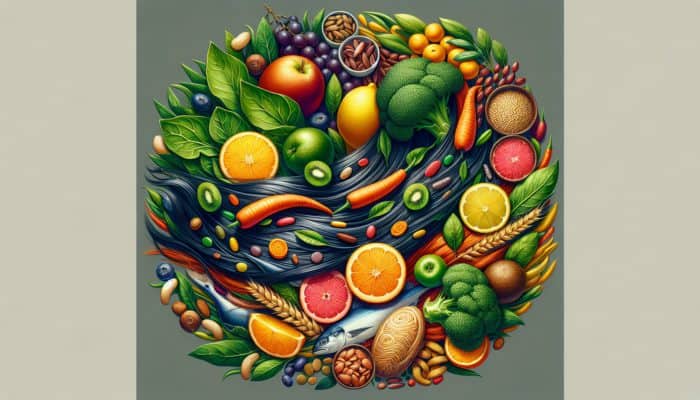
Your dietary habits significantly influence your hair’s resilience against environmental stressors. Consuming a balanced diet abundant in vitamins and minerals is vital for fortifying hair from within. Specific nutrients, including vitamins A, C, D, E, and B-complex vitamins, along with minerals such as zinc and iron, are particularly advantageous for preserving hair health. Acknowledging the role of nutrition in hair care can greatly enhance your hair’s strength and overall appearance.
For instance, omega-3 fatty acids, found in fish, walnuts, and flaxseeds, contribute to a healthy scalp by providing essential oils that nourish hair follicles. Foods rich in antioxidants, such as berries and leafy greens, help counteract oxidative stress triggered by exposure to environmental pollutants. This internal nourishment translates into stronger, healthier hair that is better equipped to withstand external challenges. By prioritising a nutrient-dense diet, individuals can create an environment conducive to healthy hair growth and resilience.
Moreover, hydration is a critical factor that should not be overlooked. Consuming adequate water daily helps maintain hair hydration, crucial for preventing dryness and brittleness. By consciously selecting nutrient-rich foods and ensuring proper hydration, individuals can foster an optimal environment for their hair to thrive, even in the face of environmental stressors.
What Role Do Antioxidants Play in Promoting Hair Health?
Antioxidants serve as vital allies in the battle against environmental stress and its detrimental impact on hair health. These compounds function by neutralising free radicals—unstable molecules that can inflict oxidative damage on cells, including hair follicles. When hair is exposed to pollutants, UV rays, and other stressors, oxidative stress can accelerate hair deterioration, leading to thinning and premature greying. Recognising the significance of antioxidants empowers individuals to make informed decisions regarding their hair care routines.
Incorporating antioxidants into both your diet and hair care regimen offers considerable benefits. Foods such as berries, nuts, and green tea are excellent sources of antioxidants, helping to protect hair from the inside out. Furthermore, many hair care products now incorporate antioxidants like vitamins C and E, which assist in shielding hair from environmental damage while promoting overall health. This proactive strategy not only preserves the natural shine of hair but also boosts its vitality, rendering it less prone to environmental harm.
Daily Routines to Protect Hair from Environmental Damage
Why Is Regular Hair Washing Essential for Combating Environmental Stress?
Regular hair washing is fundamental for maintaining healthy hair, particularly in environments filled with pollutants and other damaging elements. Cleansing the hair effectively removes accumulated dirt, oil, and product buildup that can weigh it down and contribute to unhealthy scalp conditions. However, the washing frequency should be customised to individual hair types and lifestyles to ensure it meets personal needs.
For those living in urban areas with elevated pollution levels, washing hair every 2 to 3 days may be necessary to keep it clean and devoid of pollutants. Conversely, those with drier hair types may find washing once a week sufficient to avoid stripping natural oils. Here is a recommended hair washing frequency based on various hair types:
- Oily hair: every 1-2 days
- Normal hair: every 2-3 days
- Dry hair: once a week
- Curly hair: once a week or bi-weekly
- Colour-treated hair: every 3-4 days
Selecting a shampoo that caters to your hair type is critical for effectively eliminating impurities without causing further dryness or damage. Following up with a conditioner tailored to your hair’s needs will help maintain moisture balance and provide protection against environmental stressors, ensuring your hair remains healthy and resilient.
How Do Protective Hair Products Shield Against Environmental Damage?
Utilising protective hair products is a crucial step in safeguarding your hair from environmental stressors. These products create a robust barrier that shields hair from damaging elements while maintaining its natural moisture and shine. A well-curated assortment of products should include leave-in conditioners, UV protectants, and moisture-locking oils that work in unison to provide comprehensive defence against environmental threats.
For example, a quality leave-in conditioner can assist in detangling hair while protecting it from heat damage during styling. Conversely, a UV protectant is invaluable for those spending extended periods outdoors. Furthermore, incorporating a deep conditioning treatment into your regimen can replenish lost moisture and restore vitality to damaged strands, ensuring your hair remains healthy and vibrant.
Integrating these protective products could involve applying a UV protectant before heading out on a sunny day or using a nourishing oil after washing to lock in hydration. These proactive steps are essential for maintaining hair health and appearance, especially for individuals frequently exposed to harsh environmental conditions.
How Does Hair Styling Affect Protection from Environmental Stressors?
Hair styling significantly influences either enhancing or diminishing your hair’s defences against environmental stressors. Certain hairstyles provide essential protection, while others may leave hair more susceptible to damage. For instance, styles that keep hair secured, such as braids or buns, can help shield it from wind and UV exposure, thereby reducing the likelihood of breakage, making them ideal for those concerned about hair health.
Conversely, opting for loose hairstyles, particularly in windy conditions, can lead to tangling and damage. Moreover, excessive use of heat styling tools, such as straighteners and curling irons, can strip hair of moisture and weaken its structure. It is imperative to strike a balance between styling for aesthetics and employing protective measures to ensure hair remains healthy and vibrant.
Utilising heat protectants before using heat styling tools is essential for safeguarding hair from damage. Additionally, alternating hairstyles and allowing hair breaks from constant styling can prevent detrimental effects. The objective should be to maintain your desired look while protecting your hair from environmental stressors.
Why Is Regular Trimming Essential for Healthy Hair Maintenance?
Regular trimming is an often-overlooked component of hair care that plays a vital role in fostering healthier hair growth and overall vitality. Consistent trims help eliminate split ends and prevent further breakage, which environmental stressors can exacerbate. Scheduling routine maintenance helps keep hair in optimal condition, minimising the risk of damage that could compromise its overall health and appearance.
Experts recommend scheduling trims every 6 to 8 weeks, although individuals with faster-growing hair may benefit from more frequent cuts. This routine not only maintains the hair’s shape and style but also encourages healthy growth by removing damaged sections that could hinder progress. Consistency in trimming cultivates an environment where hair can flourish, mitigating the impact of environmental stressors over time.
How Does a Balanced Diet Support Hair Health?
A balanced diet is crucial for promoting hair strength and vitality, directly influencing its resilience against environmental damage. Nutrient-rich foods provide the essential vitamins and minerals required for robust hair growth, making dietary choices critical for maintaining hair health. By prioritising a diverse array of nutrient-dense foods, individuals can significantly enhance their hair’s overall condition and resilience.
In particular, foods rich in biotin, such as eggs, nuts, and legumes, promote hair growth, while iron-rich foods, such as leafy greens and red meat, enhance scalp circulation. Furthermore, a diet high in antioxidants helps combat oxidative stress, protecting hair from the damaging effects of pollution and UV exposure. Incorporating a variety of fruits and vegetables into daily meals will provide additional benefits, helping keep hair healthy and vibrant.
By focusing on a nutrient-rich diet, individuals can enhance hair’s resistance to environmental stressors while maintaining its vitality and strength over time. This holistic approach to hair care fosters an environment where hair can thrive, promoting long-term health and resilience.
What Signs Indicate Your Hair Is Under Environmental Stress?
How to Identify Dryness and Brittleness in Hair?
Recognising the signs of environmentally stressed hair is crucial for implementing effective care. One of the most evident indicators is dryness, which manifests as a rough texture and a lack of moisture. Brittle hair tends to break easily and lacks elasticity, resulting in split ends and an overall unhealthy appearance. Understanding these signs empowers individuals to take prompt action to restore hair health.
These symptoms are often exacerbated by exposure to environmental factors such as sunlight, wind, and high pollution levels. When hair is subjected to these stressors without adequate protection, it can rapidly lose its natural oils, leading to a significant decline in health. To address these issues, a targeted hair care routine should focus on restoring moisture and strengthening hair through nourishing treatments and protective measures.
How to Recognise Loss of Hair Shine and What It Signifies?
A noticeable decline in shine is frequently a clear indicator of environmental damage. Hair that appears dull may be suffering from a lack of moisture and nutrients or from exposure to harmful pollutants. When environmental stressors strip hair of its natural oils, it loses its luster, appearing lifeless and unhealthy. Understanding these signs is crucial for restoring your hair’s vibrancy.
Restoring shine involves a combination of proper hair care and protective measures. This could include using shine-enhancing serums, incorporating regular conditioning treatments, and ensuring adequate hydration through diet and water intake. Furthermore, minimising exposure to damaging factors such as excessive heat styling and harsh chemicals can significantly improve the overall appearance of your hair. By adopting a proactive approach, individuals can effectively restore and maintain the desired shine in their hair.
What Are the Indicators of Scalp Irritation and How Can You Address Them?
Scalp irritation is another significant sign of environmental stress that can affect overall hair health. Symptoms such as itchiness, redness, and flakiness often indicate exposure to pollutants, harsh weather conditions, or unsuitable hair products. When environmental stressors compromise the health of the scalp, hair follicles can weaken, leading to hair loss or stunted growth. Recognising these signs is essential for effective scalp care.
Identifying the root cause of scalp irritation is crucial. This may involve switching to gentler hair care products free from harsh chemicals or implementing a routine that includes soothing scalp treatments. Maintaining a clean scalp through regular washing and removing buildup from styling products is equally important in promoting scalp health.
Incorporating soothing ingredients such as aloe vera or tea tree oil can help alleviate irritation and ensure a balanced scalp environment that supports healthy hair growth. Taking these steps will not only improve the condition of your scalp but also enhance overall hair vitality and resilience against environmental stressors.
Research-Backed Benefits of Protecting Hair from Environmental Stress
How Does Hair Protection Improve Overall Hair Quality?
Protecting your hair from environmental stressors can yield significant enhancements in its quality and appearance. By employing protective measures and products, individuals can maintain optimal moisture levels, bolster strength, and improve texture. This proactive approach results in hair that appears healthier, feels softer, and is less prone to damage. Understanding these benefits can motivate individuals to prioritise hair protection within their daily routines.
One actionable step involves incorporating a comprehensive hair care routine that includes protective products tailored to individual needs. For instance, individuals might use a protective spray prior to exposure to UV rays or apply a deep-conditioning treatment to restore moisture after a day outdoors. The cumulative effects of these strategies will manifest in the hair’s improved quality over time, reinforcing the importance of consistent hair care practices.
Moreover, consistently applying protective measures can also help maintain color vibrancy for those with dyed hair. Preserving colour and overall shine is critical for individuals seeking to enhance their appearance without compromising hair health. Ultimately, prioritising hair protection yields noticeable benefits, significantly contributing to long-term hair quality and resilience.
What Long-Term Effects Can You Anticipate from Committing to Hair Protection?
The long-term effects of effective hair protection strategies can be profound. Regularly shielding hair from environmental stressors prevents cumulative damage that can lead to hair loss and chronic health issues. By prioritising protection, individuals can enjoy healthier, fuller hair over the years, dramatically enhancing their overall appearance and confidence. Understanding the lasting impact of hair protection can inspire individuals to commit to their hair care routines.
Consistently utilising protective products, such as heat protectants and UV shields, helps preserve hair’s natural structure and strength. These habits can ultimately lead to more manageable, resilient hair that can withstand everyday challenges. Furthermore, limiting exposure to harsh elements fosters a healthier scalp environment, promoting better hair growth and reducing the likelihood of conditions such as dandruff or irritation.
A long-term commitment to hair protection not only enhances present hair health but also establishes a foundation for future resilience against environmental stressors. By making informed choices regarding hair care, individuals can significantly improve the quality and longevity of their hair.
Can Hair Protection Help Mitigate Hair Loss and Promote Growth?
Investing in hair protection can significantly reduce hair loss by alleviating the harmful effects of environmental stressors. When hair is shielded from pollutants, UV rays, and other damaging elements, it remains healthier and more resilient, ultimately fostering better growth. Recognising the connection between protection and hair health empowers individuals to take proactive measures for their hair.
By implementing protective measures, individuals can prevent damage caused by daily exposure to harsh conditions. This includes using protective products, adopting a nourishing diet, and maintaining a balanced hair care routine. The cumulative impact of these strategies can lead to a noticeable reduction in hair loss over time, enabling individuals to achieve their desired hair goals.
Moreover, protecting hair from environmental stressors can also diminish the risk of scalp irritation and conditions that may contribute to hair shedding. By nurturing an environment conducive to healthy hair follicles, individuals can support optimal hair growth and overall vitality. Therefore, prioritising hair protection not only enhances hair quality but also significantly contributes to its longevity and health.
Selecting the Optimal Products for Maximum Hair Protection
What Ingredients Should You Look for in Protective Hair Products?
Choosing the right hair protection products is essential for effectively combating environmental stressors. When evaluating products, seek out ingredients specifically designed to shield hair from damage. Key ingredients commonly found in effective hair protection products include:
- Antioxidants (e.g., vitamins C and E)
- UV filters (e.g., ethylhexyl methoxycinnamate)
- Moisturising agents (e.g., hyaluronic acid, glycerin)
- Natural oils (e.g., argan oil, coconut oil)
- Protein treatments (e.g., hydrolyzed silk, keratin)
- Soothing agents (e.g., aloe vera, chamomile)
- Heat protectants (e.g., dimethicone, phenyl trimethicone)
- Anti-frizz ingredients (e.g., silicone-based compounds)
These ingredients work synergistically to create barriers against environmental damage, lock in moisture, and maintain overall hair health. For instance, UV filters protect against the detrimental effects of sunlight, while antioxidants counteract oxidative stress caused by pollution. Understanding these key components can assist individuals in selecting the most effective products for their hair care regimen.
When choosing products, consider your hair type and specific requirements. Tailoring your selections to suit your unique hair structure will yield the best outcomes in protecting against environmental stressors, ensuring that your hair remains healthy and vibrant.
How to Effectively Interpret Product Labels and Claims for Better Choices?
Navigating product labels can be overwhelming; however, understanding them is crucial for selecting the best protective products for your hair. Look for clarity in the ingredient list, particularly regarding the key protective components. Additionally, claims related to UV protection, moisture retention, and damage repair should be supported by specific ingredients that align with those promises.
Be wary of vague terms like “natural” or “organic,” as these may not guarantee effectiveness against environmental stressors. Instead, focus on products with clear, concise claims backed by evidence in their ingredient composition. This scrutiny will ensure that you choose products that deliver the protection your hair needs while enhancing its overall health.
Moreover, understanding the purpose of each ingredient can help you make informed choices. For example, if you’re seeking protection against heat damage, prioritising products that contain heat protectants will be essential. By proactively evaluating product claims, you can effectively curate a hair care regimen that emphasises protection and health, ensuring your hair remains resilient and beautiful.
How to Seamlessly Integrate Protection into Your Hair Care Regimen?
Incorporating protective products into your daily hair care routine is essential for establishing a robust defence against environmental stressors. Begin by assessing your current routine and identifying areas where you can introduce protective measures to enhance your hair’s health. This proactive approach can significantly improve the overall condition of your hair.
For instance, using a UV protectant spray before heading outdoors can provide immediate defence against the sun’s damaging rays. Additionally, integrating a leave-in conditioner post-wash can help lock in moisture and shield against humidity-related frizz. Understanding the significance of these steps can motivate individuals to be diligent in their hair care practices.
Consider scheduling specific times throughout the week for treatments, such as deep-conditioning masks or protein treatments, to further enhance hair resilience. Establishing a consistent schedule for these protective measures will yield long-term benefits, allowing your hair to flourish despite environmental challenges. By prioritising these practices, individuals can foster a sense of care and commitment to maintaining the integrity of their hair.
How Frequently Should You Use Protective Products for Maximum Effectiveness?
The frequency with which you use protective products largely depends on your hair type and the degree of exposure to environmental stressors. For those regularly exposed to harmful elements such as sun, pollution, or heat styling, consistent application is crucial for maintaining hair health. Understanding these needs is essential for effective hair care.
For example, using a UV protectant should be a daily ritual if you spend considerable time outdoors. Similarly, incorporating a leave-in conditioner or anti-frizz product with each wash will help establish a protective barrier against humidity and other damaging factors. This routine is vital for ensuring your hair remains healthy and vibrant.
On the other hand, deep-conditioning treatments can be performed weekly or bi-weekly, depending on your hair’s specific needs. Those with dry or damaged hair may benefit from more frequent applications, while individuals with naturally oily hair may find that less frequent treatments suffice. Ultimately, listening to your hair’s needs and adjusting the frequency of protective product usage accordingly will ensure your hair remains resilient and well-protected against environmental stressors.
How to Tailor Protection Strategies to Different Hair Types for Optimal Results?
Selecting the right protective measures is crucial for addressing the unique needs of various hair types. Each type—straight, wavy, curly, or coily—possesses distinct characteristics that require tailored care to shield against environmental stressors effectively. Understanding these variations can significantly enhance the effectiveness of your hair care routine.
For instance, those with curly hair often benefit from richer, moisture-intensive products that combat dryness and frizz. Seek out creams and oils that provide added hydration and definition while protecting against humidity. Conversely, straight hair types may require lighter serums that offer protection without weighing the hair down.
Moreover, individuals with colour-treated hair should seek products specifically formulated to preserve colour vibrancy while providing UV protection. This consideration helps maintain the hair’s integrity while shielding it from environmental damage. By understanding the unique characteristics of your hair type, you can select protective products that align with its needs, ultimately enhancing resilience against environmental stressors while promoting healthier hair overall.
Embracing Lifestyle Adjustments for Healthier Hair: Essential Strategies
Why Is Hydration Vital for Hair Health and Resilience?
Hydration is a fundamental pillar of hair health, playing a crucial role in maintaining moisture levels and resilience against environmental stressors. When the body is adequately hydrated, it reflects in the condition of the hair, leading to improved texture and strength. Conversely, dehydration can yield dry, brittle hair that is more vulnerable to damage. Understanding the importance of hydration empowers individuals to make informed choices regarding their hair.
To boost hair hydration, aim to drink adequate water throughout the day. The general recommendation is eight 8-ounce glasses, though individual needs may vary based on factors such as activity level and climate. Additionally, consider incorporating hydrating foods into your diet, such as cucumbers, watermelon, and leafy greens, to support overall hydration levels and hair health.
Utilising hydrating hair products can also be beneficial for moisture retention. Seek out shampoos, conditioners, and leave-in treatments that contain hydrating ingredients like hyaluronic acid and glycerin. These will assist in locking in moisture and shielding hair from drying and damage caused by environmental stressors. By prioritising hydration, individuals can significantly enhance the overall health and appearance of their hair.
How Does Stress Management Affect Hair Health and Growth?
Effectively managing stress is vital for maintaining overall hair health, as prolonged stress can lead to hair thinning and loss. Under stress, the body produces hormones such as cortisol, which can negatively impact hair follicles and disrupt the natural hair growth cycle. Recognising the effects of stress on hair health is essential for developing effective coping strategies.
Incorporating stress-reducing practices into your daily routine can significantly enhance hair health. Techniques such as mindfulness meditation, yoga, or regular physical activity not only alleviate stress but also promote better overall well-being. Engaging in these activities can boost blood circulation, delivering vital nutrients to hair follicles and supporting healthier hair growth.
Establishing a consistent stress management practice also offers psychological benefits, contributing to increased self-esteem and a positive body image. This holistic approach fosters an environment where hair can thrive, providing a comprehensive solution for maintaining its health and vitality. By prioritising stress management, individuals can significantly enhance their hair’s resilience and overall condition.
What Is the Significance of Sleep in Hair Protection and Growth?
Obtaining sufficient sleep is crucial for repairing and rejuvenating the body, including your hair. During sleep, the body undergoes essential restorative processes, including cell regeneration and hormone regulation, both of which are vital for maintaining healthy hair. Insufficient sleep can lead to heightened stress levels, poor circulation, and hormonal imbalances, all of which can adversely affect hair health. Acknowledging the significance of sleep can inspire individuals to prioritise rest.
To support optimal hair growth and protection, aim for 7-9 hours of quality sleep each night. Creating a relaxing bedtime routine that promotes restful sleep, such as limiting screen time before bed and ensuring a comfortable sleep environment, can be beneficial. These practices will not only support hair health but also contribute to overall physical and mental well-being.
Additionally, consider sleeping on a silk or satin pillowcase, which can reduce friction and prevent hair breakage. By prioritising sleep and establishing effective bedtime habits, individuals can bolster their hair health while enhancing their overall quality of life.
How Does Diet Affect Hair Strength and Resilience Against Environmental Stress?
A well-balanced diet rich in essential nutrients is paramount for supporting hair strength and resilience. Nutrients such as proteins, vitamins, and minerals are critical for maintaining hair structure and promoting healthy growth. Consuming a variety of whole foods ensures your body has the building blocks it needs to support robust hair. Understanding the relationship between diet and hair health can greatly influence your hair’s overall condition.
Key nutrients for hair health include biotin, found in eggs and nuts; omega-3 fatty acids, abundant in fatty fish; and iron, available in lean meats and leafy greens. Each of these nutrients contributes to overall hair health, promoting thickness, shine, and resilience against environmental stressors. Incorporating a colourful array of fruits and vegetables into meals will also provide antioxidants that combat oxidative stress, further supporting hair health.
By focusing on a nutrient-rich diet, individuals can enhance hair’s resistance to environmental stressors while maintaining its vitality and strength over time. This holistic approach to hair care fosters an environment where hair can thrive, ultimately improving its quality and resilience.
The Advantages of Regular Exercise for Hair Health and Growth
Regular exercise offers numerous benefits for overall health, including significant advantages for hair health. Engaging in physical activity boosts blood circulation, which nourishes hair follicles and promotes healthier hair growth. Enhanced circulation facilitates better delivery of essential nutrients to hair, thereby improving its strength and resilience. Understanding the connection between exercise and hair health can motivate individuals to integrate physical activity into their routines.
Moreover, exercise serves as an effective method for reducing stress, a known contributor to hair loss and thinning. By managing stress levels through regular physical activity, individuals can support the overall health of their hair. Whether through aerobic exercise, strength training, or yoga, the key is to find enjoyable activities that can be consistently maintained.
Incorporating regular exercise into your routine can also enhance overall physical and mental well-being, contributing to a positive body image and self-esteem. By prioritising fitness, you not only improve your overall health but also create an environment that supports your hair’s long-term resilience and vitality.
FAQs: Common Questions About Hair Care and Protection
How often should I wash my hair to avoid environmental damage?
The frequency of washing your hair depends on your hair type. Generally, oily hair may require washing every 1-2 days, while normal hair might be suitable with every 2-3 days. Dry hair can often be washed once a week to maintain its health.
What are the key ingredients to seek in protective hair products?
Look for antioxidants, UV filters, moisturising agents, natural oils, protein treatments, and heat protectants to effectively shield your hair from environmental stressors.
Can diet impact my hair’s resilience?
Indeed, a diet rich in vitamins, minerals, and healthy fats can fortify hair from within, enhancing its resilience to environmental stressors and promoting overall health.
What signs indicate that environmental factors are stressing my hair?
Signs of environmentally stressed hair include dryness, brittleness, loss of shine, and scalp irritation. Addressing these symptoms promptly can help restore hair health and vitality.
Are there specific hairstyles that offer more protection?
Yes, protective hairstyles like braids or buns can shield hair from wind and UV exposure, reducing the likelihood of breakage and damage, making them ideal for individuals concerned about hair health.
How can I reduce scalp irritation caused by environmental stress?
To alleviate scalp irritation, use gentle, soothing products, maintain cleanliness with regular washing, and consider treatments with calming ingredients such as aloe vera or tea tree oil.
What lifestyle changes can I implement to enhance my hair’s health?
Incorporate hydration, a balanced diet, regular exercise, stress management practices, and adequate sleep into your routine to significantly enhance hair health and resilience.
How can I determine if my hair products are effective?
Effective hair products should improve shine, texture, and manageability while reducing damage and environmental stress. Monitor your hair’s condition over time to evaluate product performance and adjust as necessary.
What is the impact of UV rays on hair health?
UV rays can break down hair’s protein structure, leading to brittleness and color fading. Using UV protectants can help shield hair from these damaging effects, preserving its integrity and appearance.
Is it beneficial to use a deep conditioning treatment regularly?
Yes, employing a deep conditioning treatment weekly or bi-weekly can replenish moisture and repair damage, particularly for those exposed to environmental stressors, helping ensure healthy, vibrant hair.
Connect with us on Facebook!
The Article: Shielding Hair From Environmental Stress: Universal Tips appeared first on Amitys Hair Salon.
The Article Protecting Hair from Environmental Stress: Essential Tips Was Found On https://limitsofstrategy.com