Last Updated on November 22, 2025 by David
Essential Insights from the In-Depth Guide on Deep Cleaning Quarry Tiles: Elimination of Years of Grime
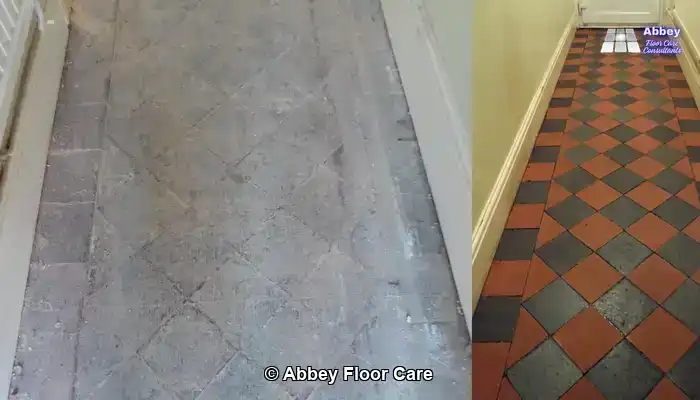
- Older properties often showcase quarry tiles that are heavily stained, particularly in kitchens and utility areas where oils, waxes, and dirt have permeated the porous structure.
- Implementing industrial cleaning techniques is crucial for effective restoration, utilising rotary scrubbers, alkaline degreasers, and dwell-based strippers such as LTP Solvex to safely break down stubborn grime.
- Applying a protective sealant after cleaning is essential, with breathable penetrating sealers safeguarding the tile’s appearance — or opting for topical sealers like LTP Ironwax Satin for a glossy finish, provided moisture is not a concern.
- Homeowners can effectively maintain their quarry tiles post-restoration, using dry sweeping and pH-neutral cleaners to preserve the finish and prevent future dirt accumulation.
Why is Deep Cleaning Vital for Older Quarry Tile Floors?
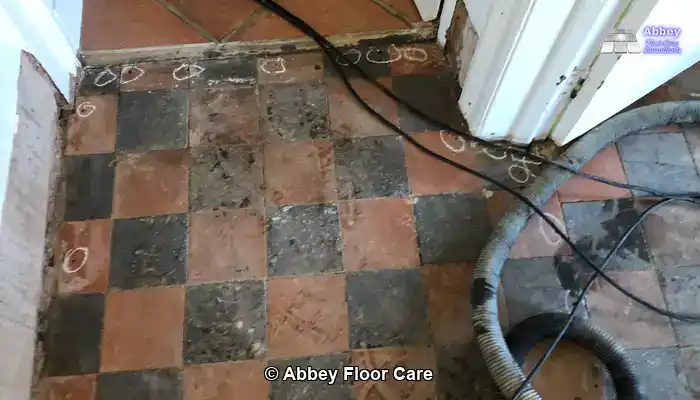
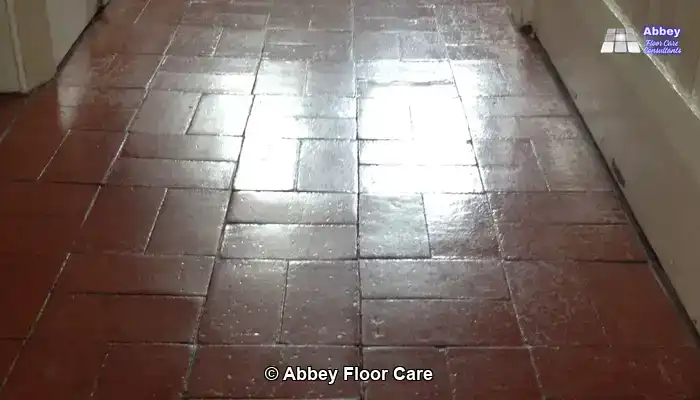
Quarry tiles, celebrated for their durability, often face the challenge of years of absorbed oils, waxes, and grime in many older homes. This issue is particularly noticeable in kitchens and utility rooms, where these tiles frequently remain hidden beneath appliances or outdated flooring materials. Homeowners eager to revitalise their floors encounter challenges that exceed mere surface cleaning. This detailed guide outlines effective methods for addressing deeply entrenched grime through industrial cleaning techniques that are not only safe and efficient but also designed for the long-term maintenance of your property. Recognising the significance of deep cleaning can greatly enhance both the aesthetic appeal and functionality of your quarry tile floors.
What Causes Grime Buildup on Quarry Tiles Over Time?
Challenges in Kitchens and Utility Rooms
In bustling environments like kitchens and utility rooms, quarry tiles endure a range of cooking oils, spills, and heavy foot traffic. Over time, these substances penetrate the porous clay structure, forming layers that resist conventional cleaning efforts. When tiles remain unsealed or inadequately maintained, this absorption intensifies, leading to a dull and uneven floor appearance, even after regular mopping. The interplay of moisture, oil, and dirt creates an ideal environment for grime accumulation, necessitating a more thorough cleaning approach to restore the tiles to their original splendour.
The Detrimental Effects of Oil, Wax, and Soil on Tile Lifespan
Historically, many older homes have employed wax-based polishes or oil treatments to safeguard their quarry tiles. While these methods temporarily enhanced shine, they inadvertently trapped airborne dust and cooking residues. Over time, these layers built up into a sticky film that bonded with soil particles. This situation goes beyond aesthetic concerns; it significantly impacts traction, hygiene, and the tile’s ability to breathe. To eliminate these layers, homeowners require more than basic scrubbing; a combination of chemical breakdown and mechanical agitation is essential for effective restoration. Ignoring these underlying issues can lead to further deterioration over time, necessitating even more extensive restoration efforts in the future.
Recognising Signs That Your Quarry Tiles Need Deep Cleaning
Visual and Physical Indicators of Embedded Dirt
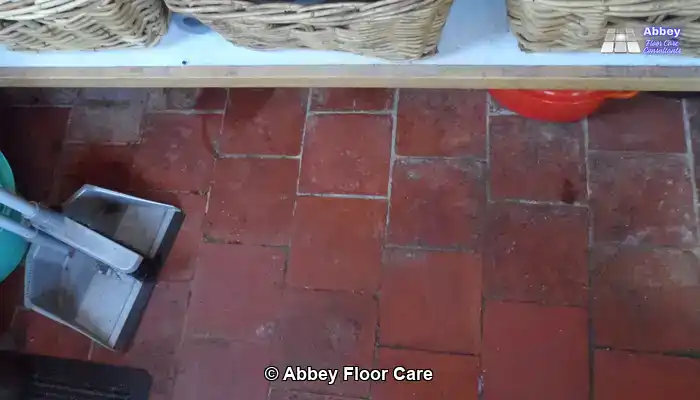
It is easy to mistakenly perceive a floor as clean if it appears uniformly red, yet quarry tiles can often conceal accumulated grime beneath the surface. A floor freshly mopped may still feel sticky or greasy underfoot. If you wipe a damp cloth across the tile and it returns stained or oily, this is a clear sign of ingrained residues. Additionally, uneven sheen — with certain areas remaining dull regardless of scrubbing efforts — often indicates wax buildup or dirt trapped beneath layers of outdated polish. Early recognition of these signs can prevent further damage and ensure a more effective deep cleaning process.
What Factors Make Homes Particularly Vulnerable to Grime?
Numerous properties feature older kitchens and utility spaces that have remained unchanged for decades. These areas frequently house original quarry tiles that were never sealed or treated with outdated wax products. Over time, layers of cooking oils, detergent runoff, and tracked-in dirt accumulate. Due to the porous and unglazed nature of these tiles, they behave like sponges, especially in homes with pets, children, or heavy foot traffic. Even when the surface appears intact, the underlying grime can severely compromise both hygiene and visual appeal. Being aware of these factors empowers homeowners to take proactive measures to maintain their quarry tile floors.
Why Are DIY Cleaning Methods Insufficient for Severe Grime Buildup?
What Are the Risks of Using Off-the-Shelf Cleaners?
Most supermarket tile cleaners are designed primarily for superficial dirt removal. They may contain mild surfactants or acidic components that offer a temporary shine, but they rarely penetrate the layers of wax, oil, and soil embedded in quarry tiles. In fact, frequent use of acidic cleaning products can etch the surface, rendering it more porous and susceptible to future staining. Homeowners often find that despite their regular cleaning efforts, the tiles continue to feel sticky or discoloured — a clear indication that a deeper intervention is necessary. Relying solely on these products can create a false sense of cleanliness, concealing deeper issues that require professional attention.
Can You Successfully Restore Quarry Tiles Without Causing Damage?
Restoration entails breaking down years of buildup without harming the underlying clay structure. While quarry tiles are robust, they are also absorbent and sensitive to harsh treatments. Overzealous scrubbing or inappropriate chemical application can result in uneven outcomes or irreversible damage. Industrial methods depend on controlled chemical reactions and mechanical agitation tailored to the specific condition of the tile. Achieving this delicate balance proves challenging with DIY tools, which typically lack the necessary power and precision for safe restoration. Recognising the importance of professional techniques can save homeowners time, money, and potential damage in the long run.
Exploring Industrial Cleaning Techniques for Quarry Tiles
Alkaline Cleaners vs. Sealer Strippers: Essential Insights
To eradicate decades of grime, professionals employ two primary chemical strategies: alkaline degreasers and sealer strippers.
- <b>Alkaline cleaners</b> excel at removing organic residues such as cooking oils, general soil, and everyday grime. They work by emulsifying grease, allowing it to be rinsed away effectively without harming the tile’s surface.
- <b>Solvent sealer removers</b> are utilised when layers of wax, topical sealers, or polish are present. These traditional solvent-based strippers dissolve synthetic coatings rapidly but can be harsh and produce potent fumes.
- Non-solvent sealer removers, such as LTP Solvex, present a safer alternative. These non-solvent strippers penetrate the sealer and soften it gradually — similar to how paint strippers dissolve old coatings. Instead of immediate dissolution, they are allowed to dwell for several hours or even overnight. Once softened, the residue can be removed mechanically using scrubbing pads and water.
The selection of the appropriate product depends on your available timeframe, your tolerance for strong fumes, and the type of buildup you are addressing. For deep restoration — particularly in instances where old sealers are involved — a dwell-based stripper like LTP Solvex provides a controlled and less aggressive solution. It gradually softens the sealer, facilitating its removal using scrubbing pads and water, without relying on harsh solvents or rapid chemical actions. Understanding these options enables homeowners to make informed decisions regarding their cleaning strategies.
The Advantages of Rotary Scrubbers Over Manual Cleaning Methods
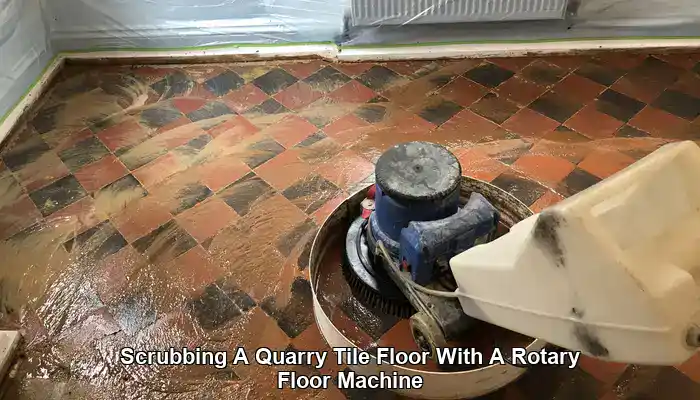
Mechanical agitation plays a vital role in the effective restoration of quarry tiles. Rotary scrubbers utilise weighted heads and stiff brushes to drive cleaning agents deep into the tile’s surface. This approach proves considerably more effective than manual brushing, which typically only skims the surface and fails to remove residues thoroughly. The combination of chemical dwell time and machine pressure ensures that embedded grime is lifted without harming the clay. For expansive areas or severe buildup, rotary machines deliver consistent results that manual methods cannot achieve. Acknowledging the benefits of professional equipment can lead to a more effective and efficient cleaning process.
Choosing the Right Chemicals for Quarry Tile Restoration
Ensuring Safe Application of High-PH Cleaners
High pH alkaline cleaners are crucial for breaking down organic grime, but they require careful application. These products are powerful degreasers that interact with oils and fats, lifting them from the tile’s surface. However, proper dilution and dwell time are essential to prevent streaking or residue. In professional settings, technicians perform tests on small areas first and carefully monitor the reaction. Homeowners attempting this without the necessary training risk experiencing uneven results or chemical burns to surrounding surfaces. Grasping the nuances of these chemicals ensures safer and more effective cleaning experiences.
Understanding When Chemical Stripping Treatments Are Necessary
Solvent strippers become essential when wax, polish, or synthetic sealers have accumulated over time. These chemicals efficiently dissolve coatings that trap grime beneath the surface, allowing for a proper cleaning of the tile. Given that solvents can emit strong fumes and adversely impact indoor air quality, they should only be employed in well-ventilated spaces and with suitable protective gear. In older homes, chemical stripping often serves as the only method to access the original tile surface, especially in kitchens where wax-based treatments were common historically. Recognising when to utilise these treatments can substantially improve cleaning outcomes.
The Critical Role of Mechanical Agitation in the Cleaning Process
How Do Rotary Machines Effectively Eliminate Embedded Grime?
Rotary machines deploy weighted heads and stiff bristle pads to agitate the surface of quarry tiles. This process focuses on applying consistent pressure and motion to dislodge grime from deep within the tile’s pores. The rotation of the machine aids in emulsifying the dirt, allowing it to rise to the surface for safe rinsing. Without this mechanical lift, even powerful chemicals may fail to eliminate residues entirely. Utilising rotary machines guarantees a thorough clean that manual methods cannot provide, establishing them as a preferred choice in professional cleaning contexts.
Our company employs these machines for the majority of floor cleaning tasks, opting for hand pads in corners and edges where mechanical brushes and pads are ineffective. This combination ensures comprehensive cleaning while addressing the unique challenges presented by quarry tiles.
Why Are Pressure and Dwell Time Integral for Effective Cleaning?
Successful cleaning depends on not only the appropriate tools but also the pressure exerted by the machine and the duration the chemical remains on the tile — referred to as dwell time — are critical factors. Insufficient dwell time prevents the cleaner from adequately breaking down the grime. Conversely, excessive pressure can damage the tile’s surface. Professionals expertly calibrate these variables based on the tile’s condition, ensuring a thorough clean while safeguarding the floor’s integrity. Understanding these factors can significantly enhance the effectiveness of the cleaning process.
Post-Cleaning Procedures: The Significance of Sealing and Long-Term Maintenance
When to Apply Sealant and Recommended Products
Once quarry tiles are meticulously cleaned and entirely dry, applying a sealant becomes essential to protect them from future staining and damage. Selecting the right timing and product for sealing can greatly impact the longevity and appearance of the tiles.
Choosing Between Impregnating or Penetrating Sealers
A breathable, penetrating sealer is ideal for unglazed clay surfaces, particularly on floors lacking a damp-proof membrane. These products penetrate the tile to create a barrier that resists both oil and water while maintaining the tile’s natural look. Timing is crucial — sealing too soon after cleaning may trap moisture, while delaying sealing allows new dirt to settle. Generally, sealing should occur within 24 to 48 hours post-cleaning, provided the tiles are completely dry. Recognising the importance of proper sealing can prevent future issues and maintain the tiles’ integrity.
Prefer a Sheen? Consider Topical Sealers
For those seeking a satin or gloss finish, a topical sealer such as LTP Ironwax Satin offers an appealing option. These sealers rest on the tile’s surface, enhancing its sheen while assisting in concealing minor surface imperfections. They can also simplify the cleaning process — particularly beneficial for older quarry tiles exhibiting surface damage or crevices where dirt tends to accumulate. However, topical sealers are not appropriate for damp-prone floors. As they form a surface film, any moisture trapped underneath can lead to whitening, flaking, or adhesion difficulties. Always ensure the floor is completely dry and free from rising damp before applying a topical finish. Recognising the appropriate sealing method is crucial for prolonging the life of your tiles.
How Often Should You Reclean or Reseal Your Quarry Tiles?
Sealing is not a one-time solution. In high-traffic areas such as kitchens and utility rooms, the protective layer diminishes with time. Most quarry tile floors benefit from resealing every 2 to 4 years, depending on usage and cleaning practices. Regular upkeep — such as dry sweeping and using pH-neutral cleaners — contributes to the sealer’s longevity. If tiles begin to absorb water rapidly or exhibit signs of darkening when wet, it indicates that the sealer has deteriorated and requires reapplication. Understanding best practices for maintenance can help homeowners keep their quarry tiles in excellent condition.
Common Questions from Homeowners Regarding Tile Cleaning
Will Deep Cleaning Change the Colour of My Tiles?
In most cases, deep cleaning restores the tiles to their original colour rather than altering it. Years of grime accumulation can darken or dull the surface, so removing these layers typically results in the tile appearing brighter or more vibrant. This is not a colour change; rather, it signifies a return to the tile’s natural state. If wax or polish has yellowed over time, removing it can reveal the true colour underneath. Understanding this process can alleviate concerns about potential colour alterations during deep cleaning.
Is Industrial Quarry Tile Restoration Messy or Disruptive?
Though industrial cleaning incorporates machinery and chemicals, the process is controlled and contained. Rotary scrubbers typically use minimal water and extract waste as cleaning progresses. Many homeowners are surprised by how tidy the procedure is, especially when compared to DIY attempts that often leave streaks or residues. Proper ventilation and preparation further minimise disruption, making it a manageable task even in busy homes. Recognising the efficiency of professional techniques can encourage homeowners to consider this option for their cleaning needs.
Can I Maintain the Results Independently?
Absolutely — following the restoration and sealing of the tiles, ongoing maintenance is straightforward. Regular dry sweeping and occasional mopping with pH-neutral cleaners will keep the surface clean without compromising the integrity of the sealer. Avoid using acidic or bleach-based products, as these can degrade the protective layer. With proper care, rejuvenated quarry tiles can remain beautiful and functional for many years, even in high-traffic areas. Understanding best practices for upkeep ensures that homeowners can enjoy their restored tiles for the long term.
The Article Deep Cleaning Quarry Tiles: Removing Decades of Grime first found on https://www.abbeyfloorcare.co.uk
The Article Deep Cleaning Quarry Tiles to Banish Decades of Grime appeared first on https://fabritec.org
The Article Deep Cleaning Quarry Tiles to Remove Years of Dirt Was Found On https://limitsofstrategy.com